

a collection sculpted by the African American presence in the Midwestern region
Literature

Sorry For Your Loss
“My warmth had been lost to a summer long gone, a summer never returning. Even if the sky and the storms remained in denial, the earth stayed honest.”

Rĕk’e-nĭng
The work of racial reckoning belongs to those of us who’ve benefited all these centuries, and this work has to be done before we can begin to get to reconciliation.
Articles & Interviews
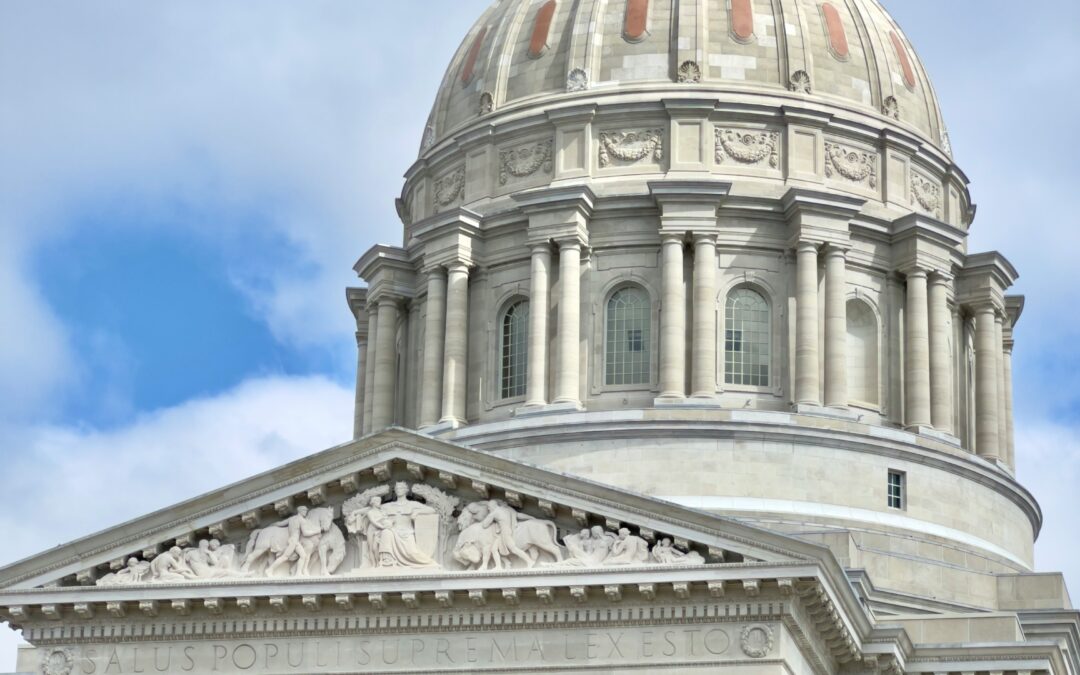
Somebody Has To Be First, but Nobody Has To Be a Martyr
Meet Kendall Martinez Wright
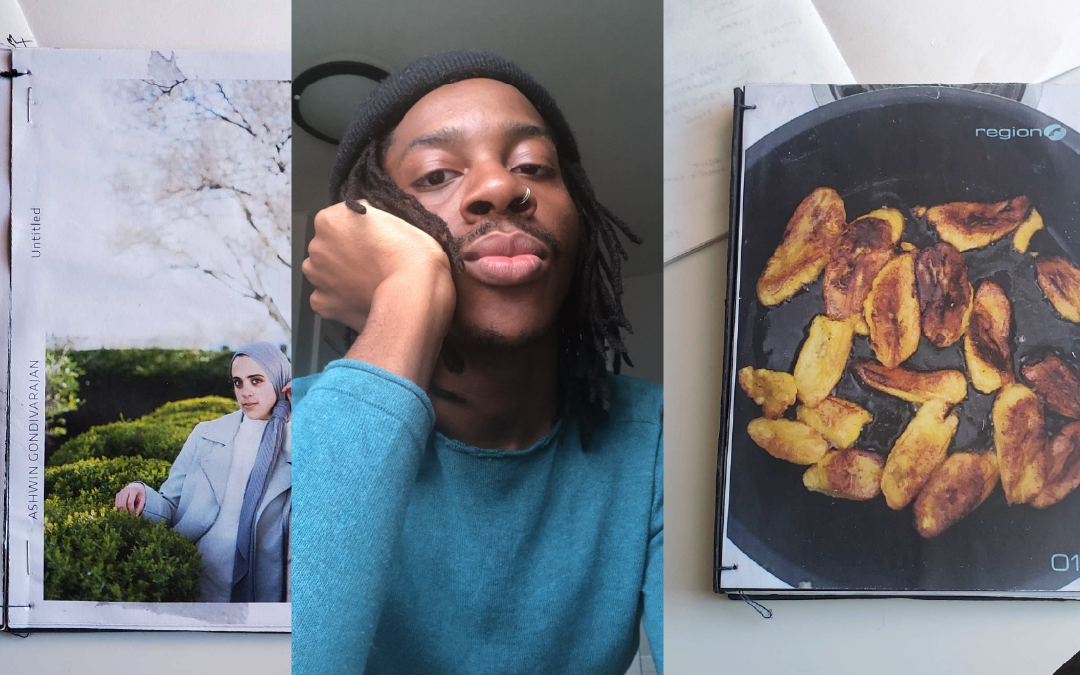
Shop Talk: The Borders/Boundaries of a Region’s Shared Archives
Kansas City-based publisher Chad Onianwa talks magazines, place, and making space for collaboration.




Essays
A Thread of Blackness
I was fresh out of college with idealized images of life after graduation when my new husband dropped two bombs on me. The first: He’d decided to go active-duty military. The second: We would be moving to Wyoming soon, and he would go ahead without me to find us a...
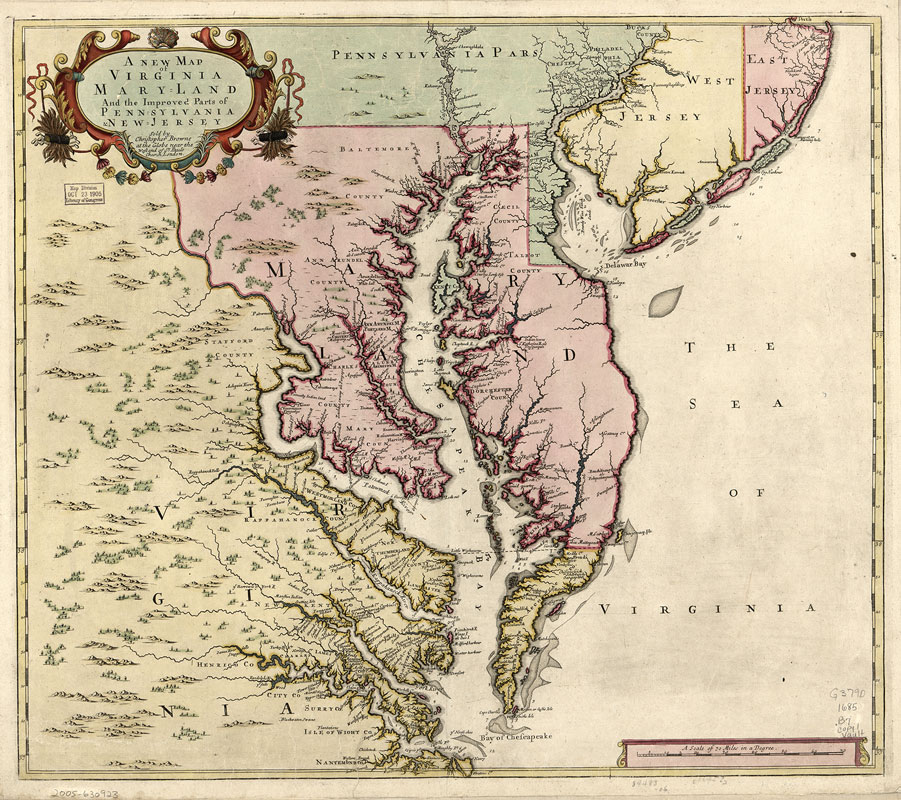
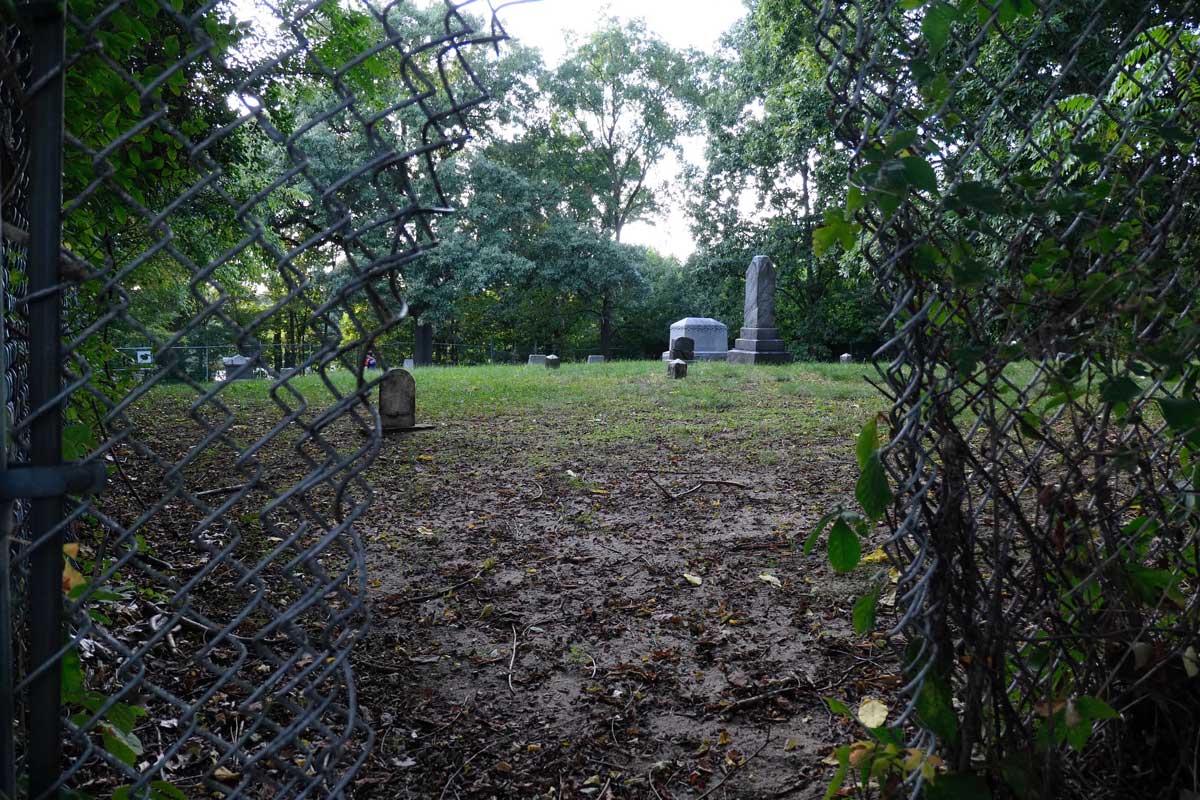
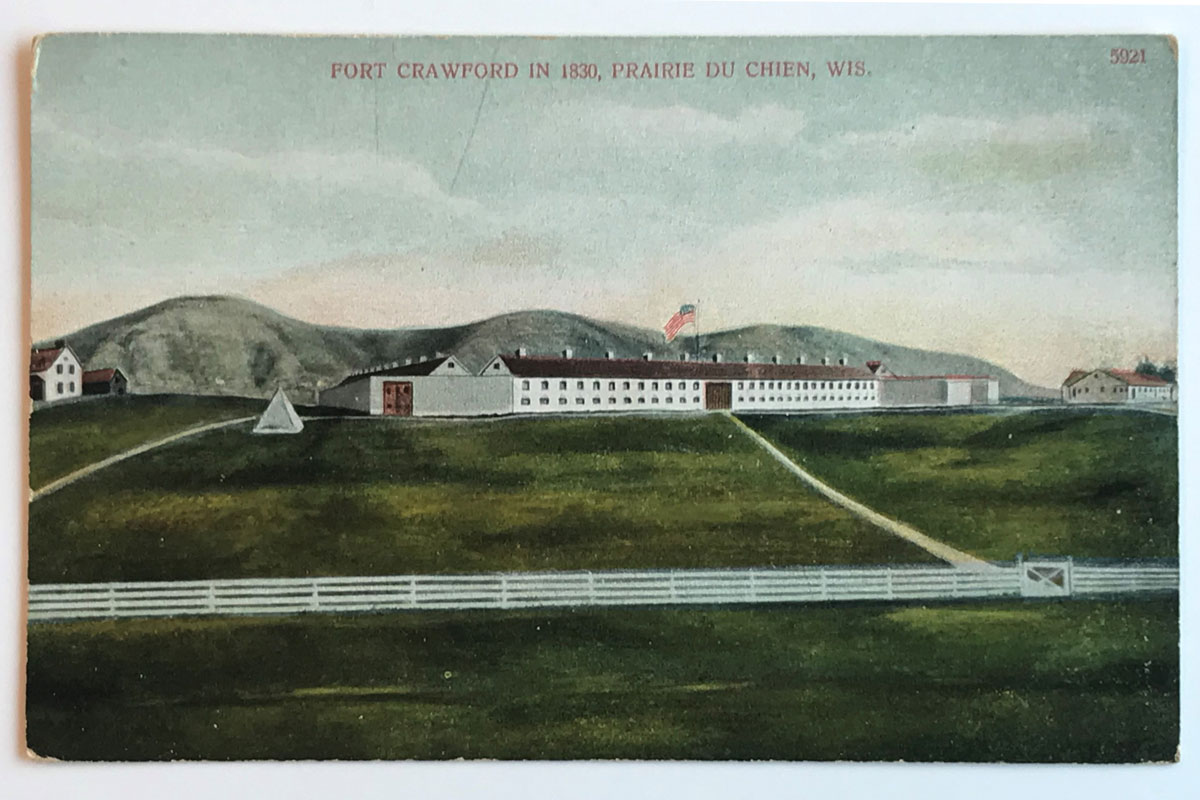
Slavery, Freedom and African American Voices in the Midwest
Conflicts over race and slavery in the Lower Midwest have often set the stage for critical national conversations.

So Far, And Yet So Close
“I’d been operating under the hope — nay, the naive assumption — that sports were the great equalizer.”
Review

Cindi Mayweather Ascends
Kansas City native Janelle Monáe’s latest crowns more than a decade of work
Read it in Print
Select magazine issues with features on the Black Midwest
Issue 13
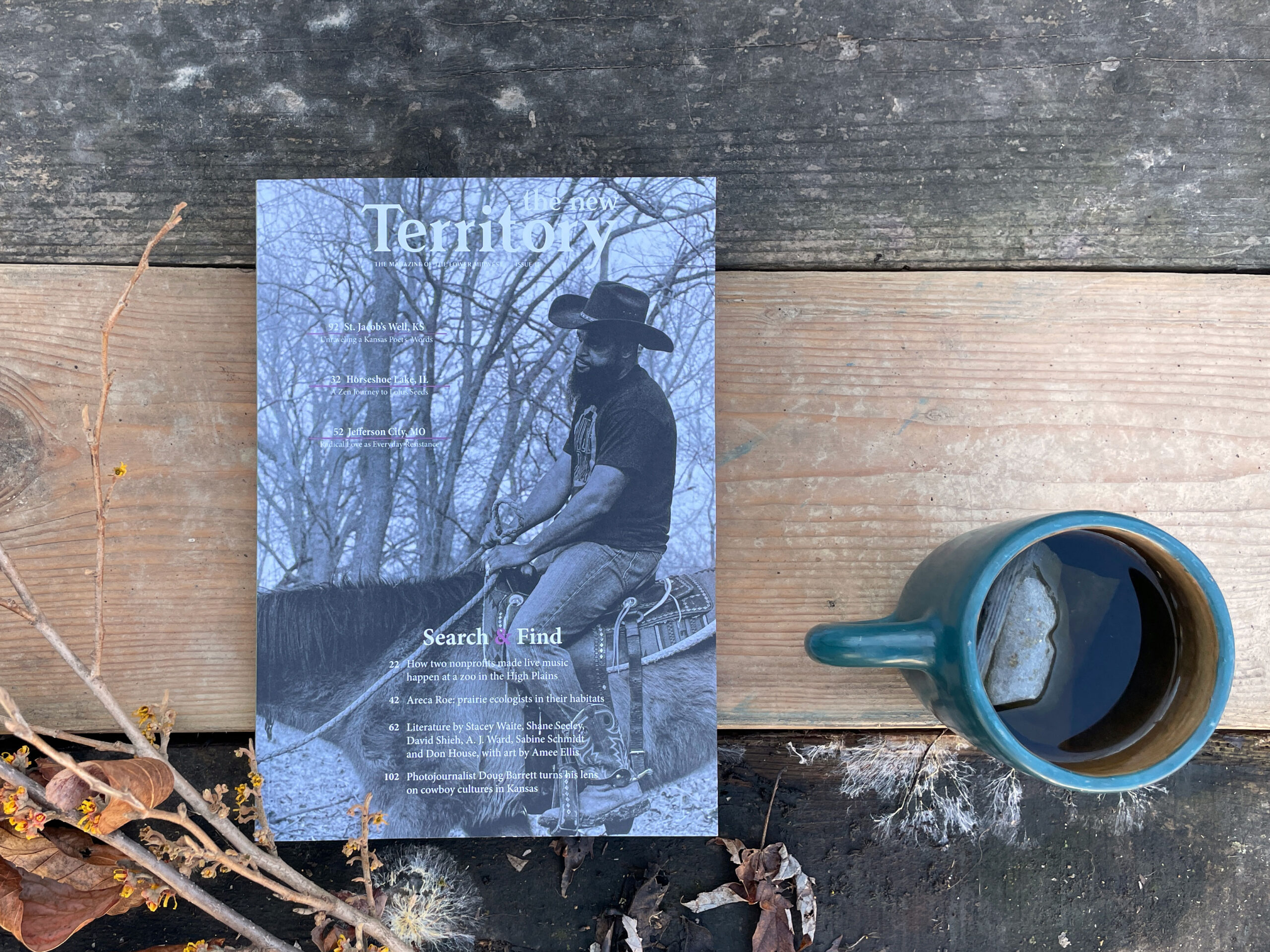
“The Ranch Dispatch”
When Manhattan, Kansas, photojournalist Doug Barrett journeyed outside the city to capture life beyond the pandemic, his pursuit became a years-long documentary of land, freedom and prosperity. And he’s only just getting started.
“Somebody Has to Be the First, But Nobody Has to Be a Martyr”
Through her tenacious lobbying and advocacy over the years, Kendall Martinez Wright knows — and is adored by — people of many, often conflicting, political persuasions.
In Your Mailbox, Twice a Year
Get the independently published magazine that’s been called, “powerful and necessary” and “like The New Yorker except more raw and real.” Radically slow and lovingly produced, each issue dives into the psyche of the Lower Midwest.
Issue 18
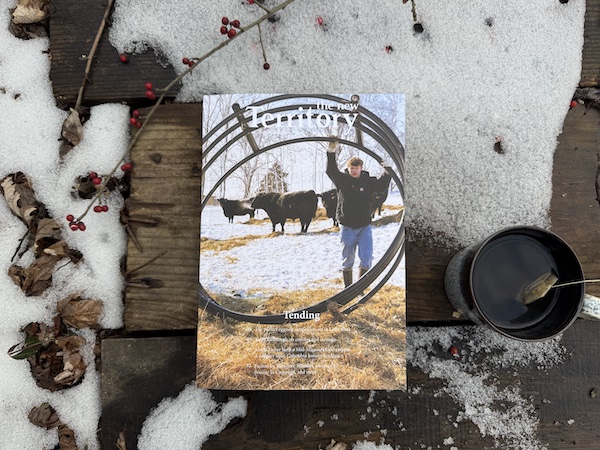
“Annie Fisher’s Ghost”
The disappearing legacy of Columbia’s Biscuit Queen.
Editor’s Note
DeAni Blake-Britton
When presented with the opportunity to create a collection for The New Territory, I had no idea where to start. As with any other creative endeavor, I started with what I know. What I know is this: I am a Black woman living in a predominantly white state. I know that Missouri swells with rich Black history—a history that stretches beyond Lincoln and Harris-Stowe—the two HBCUs in the state. It intersects with the discriminatory past of Columbia’s Mizzou, specifically in the 1930s, when Lloyd L. Gaines fought for his right to an education. This history contains the legacy of Black literary figures in the midwest—Langston Hughes, Gwendolyn Brooks, and Richard Wright, to name a few—and is carried forward by contemporary storytellers.
The Black Midwest is a collection sculpted by the African American presence in the Midwestern region. Some of these essays, features, and stories are written by Black people, about Black people, for Black people. Some are written by allies who understand the value of visibility for marginalized communities, and graciously share that understanding. These pieces prompt readers to reflect, to take a closer look at what, and who, is often overlooked. They also welcome an opportunity to learn about different cultures, perspectives, and histories.
This collection invites readers to acknowledge that African Americans have long existed in the Midwest. Simply put, their voices proclaim: We are here. We are creating. We are contributing to larger conversations. We are using our respective communities as stepladders toward the nationwide change we want to see. We are leaving places better than we found them. We are the communities future generations look for when they feel out of place. We are resourceful and sources of inspiration for every marginalized individual with aspirations. We unite with others in resistance to perpetual violence and injustice. We live in every folktale, every poem, every monument, every trail and lake, every celebration, and every grievance.
I ask that you allow these articles to expand your view of the Midwest. Open yourself to the spirited and diverse communities that call it “home.” When you do, you may find yourself enlightened by stories you’ve never heard, more engaged with perspectives beyond your own, or you may discover that you—whoever you are—can relate to the struggles, desires, disappointments, and hopes that the African American community knows all too well.
—DeAni Blake-Britton, The New Territory