Lorine Niedecker’s River Cabin—America’s greatest unknown poet, writing in a riverside cabin that appears to shrug off the idea of annual flooding.
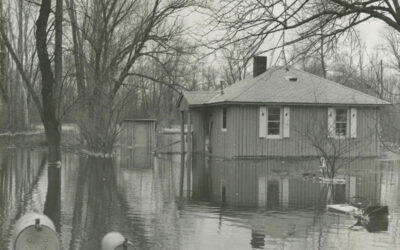
Lorine Niedecker – Blackhawk Island, Wisconsin
read more

An archive of all that’s available online from The New Territory. Shop our back issues for more.
Lorine Niedecker’s River Cabin—America’s greatest unknown poet, writing in a riverside cabin that appears to shrug off the idea of annual flooding.

Hugo Martinez-Serros & South Chicago City Dump—Depression-era salvage in a “a great raw sore on the landscape.”
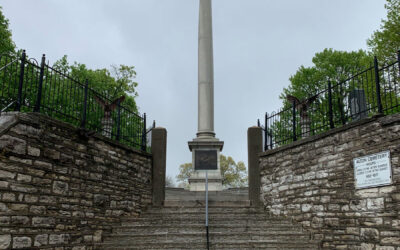
The publisher of an abolitionist newspaper, killed by a mob in 1837 after calling for “hearty and zealous efforts” to end slavery.
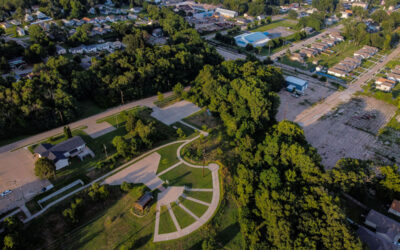
3448 Pinkney Street—the site of Malcolm X’s first home offers a more complex portrait of Midwestern mythologies.
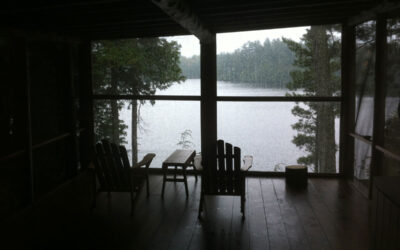
Smith Lake Camp—a sanctuary in the Upper Peninsula, a place that “is not geared to make your visit painless.”
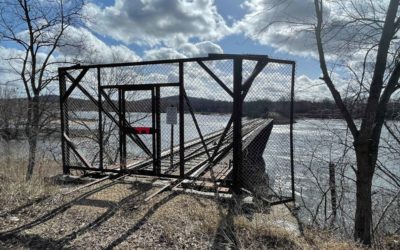
August Derleth & Sauk City Rail Bridge—a local author’s erasure from the place that used to commemorate him with a bridge, a historical marker, a park, and a pie case.
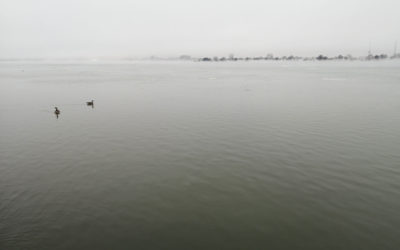
Philip Levine & Belle Isle—“here, alone, I am smudged by the warming mist of snow as the spring sun finds its way in.”
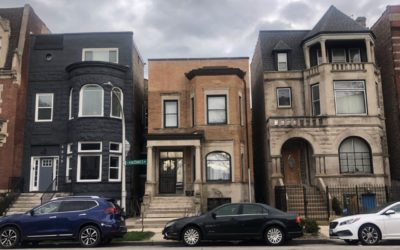
Richard Wright house—a modest brownstone among “great sweeping corridors of concrete and ingrained prejudice.”
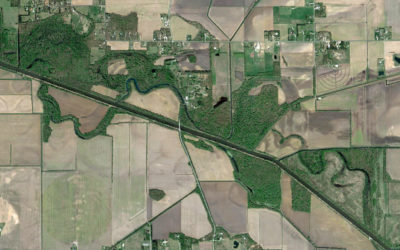
Lew Wallace Grand Kankakee MarshPorter County, Indiana By Matthew A. Werner Indiana once had one of the greatest natural habitats in North America: the Grand Kankakee Marsh. Author Lew Wallace loved it so much, he kept a houseboat on its thruway, the Kankakee River....
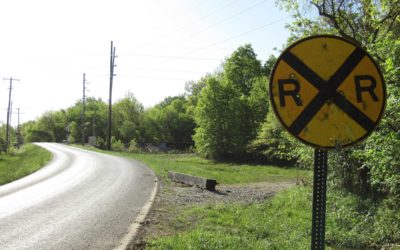
James Tate Cow Creek CrossingPittsburg, Kansas By Leslie VonHolten Each James Tate poem presents itself like a welcoming trailhead — happy, sunshiney even. It is not until you are deep in the woods of it all before you sense the lurking weirdness. For example, in “The...
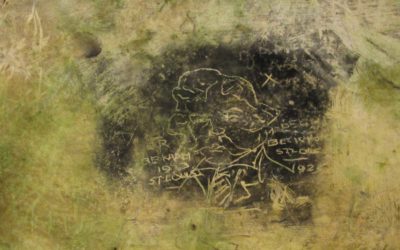
Mark Twain Cave—underneath Hannibal, MO, where in the middle of a tour, the lights went out, and “this shared, quiet darkness felt elemental and deeply human.”
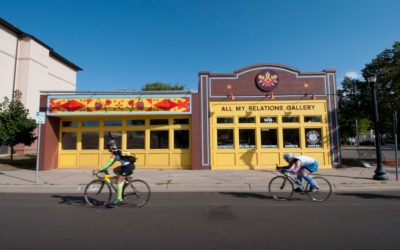
Heid Erdrich & All My Relations art gallery—“imaginative language-meaning” in the American Indian Cultural Corridor.
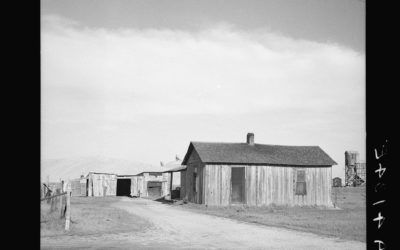
Meridel Le Sueur & a miner’s shack—how investigating environmental damage reveals “the hopeful and radical potential of regionalism and place.”
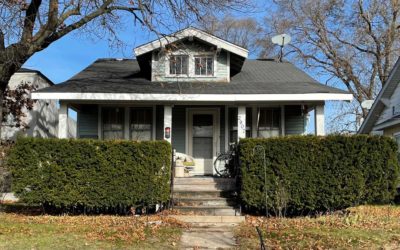
Jean Shepherd’s childhood home—written as both a “mythical place” and an avatar of Hammond, IN, “just a few miles upwind” of steel mills, oil refineries, and polluted rivers.
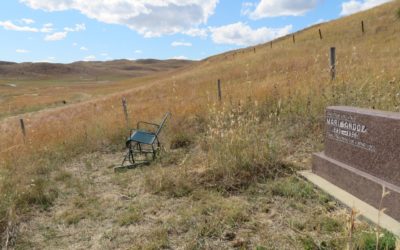
“Even with a breeze, the place was so profoundly silent that all of my own thoughts were too loud.” — C.J. Janovy
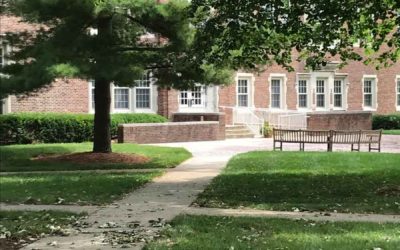
Mary Hunter Austin & Blackburn College—a kinship in the desire to walk about unhampered and forge meaningful connections. #LiteraryLandscapes by Karen Dillon & Naomi Crummey.
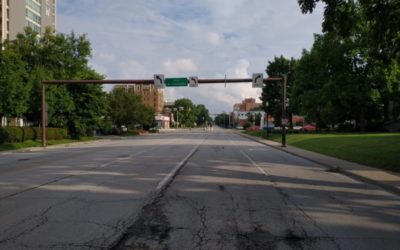
Booth Tarkington & North Meridian St.—striving for beauty and dignity amid the turmoil of this past year. #LiteraryLandscapes
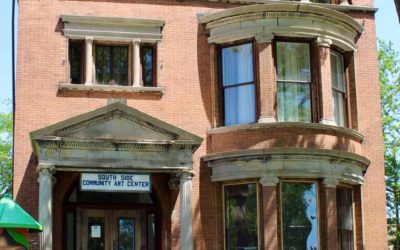
Gwendolyn Brooks & South Side Community Art Center—looking back toward Bronzeville: Brooks’s voice above the hum. #LiteraryLandscapes
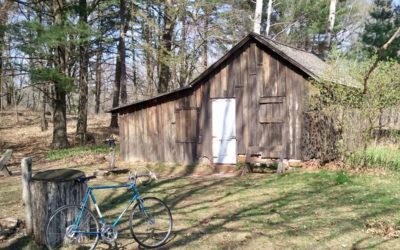
Aldo Leopold’s Writing Shack—the “land ethic” of a converted chicken coop, feeding the soul in Sand County. #LiteraryLandscapes by Marc Seals.
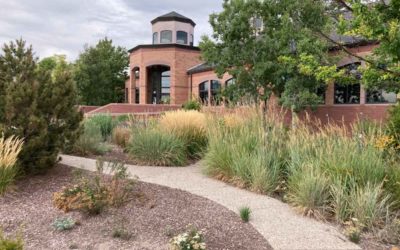
Two generations finding “my truth and my refuge” at the Alliance Public Library. #LiteraryLandscapes by Sean Stewart.
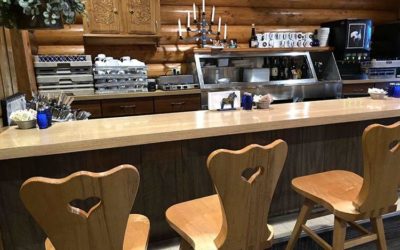
Norbert Blei & Al Johnson’s—fikasugen, “Counter Culture,” and the longing for public spaces.
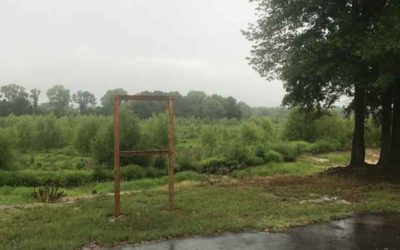
Maya Angelou & the memorial at Lake June—“picturing the red clay that Maya Angelou once walked across, imagining the breeze she once breathed.”
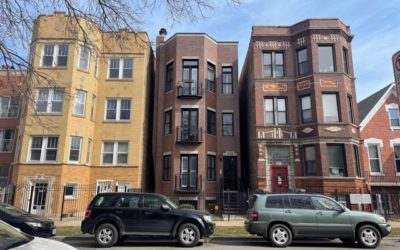
Humboldt Park—where the condo that replaced the house on Mango Street “has an attenuated look, seeming to both belong and not belong.”
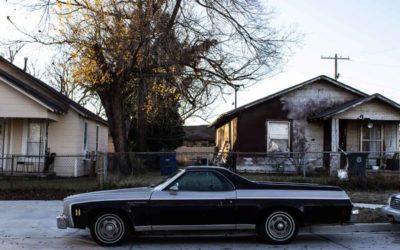
S.E. Hinton & Crutchfield—Tulsa’s part in “a story about boundary lines, divisions that we create and perpetuate.”
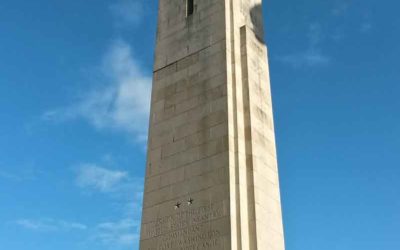
Though Piatt’s writing seems “sweet and peaceful,” it “proves to be like ‘the depths of a dark river,’ ‘shadowy and terrible.’”