
![Mark Twain in Study Window [1903]](https://newterritorymag.com/wp-content/uploads/2025/12/Twain-in-study-window-1903.jpg "Twain in study window 1903")
Mark Twain
East Hill
Elmira, New York
By Matt Seybold
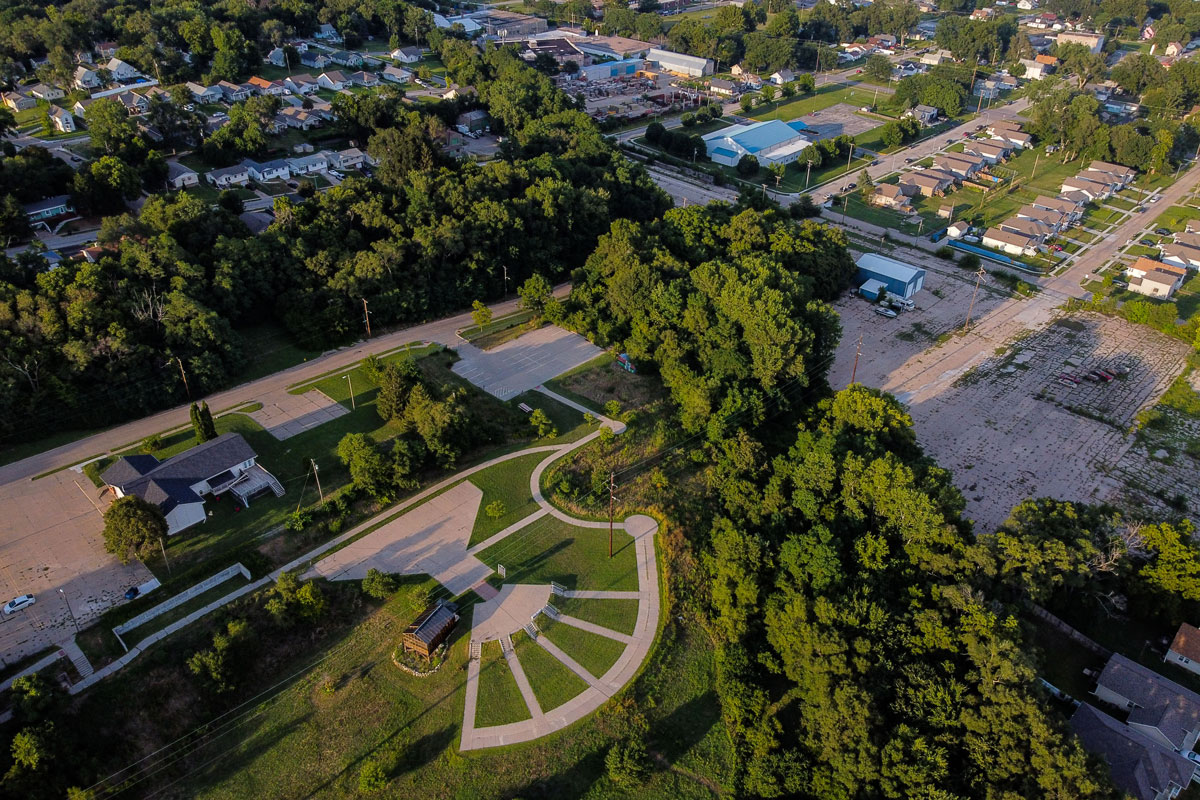
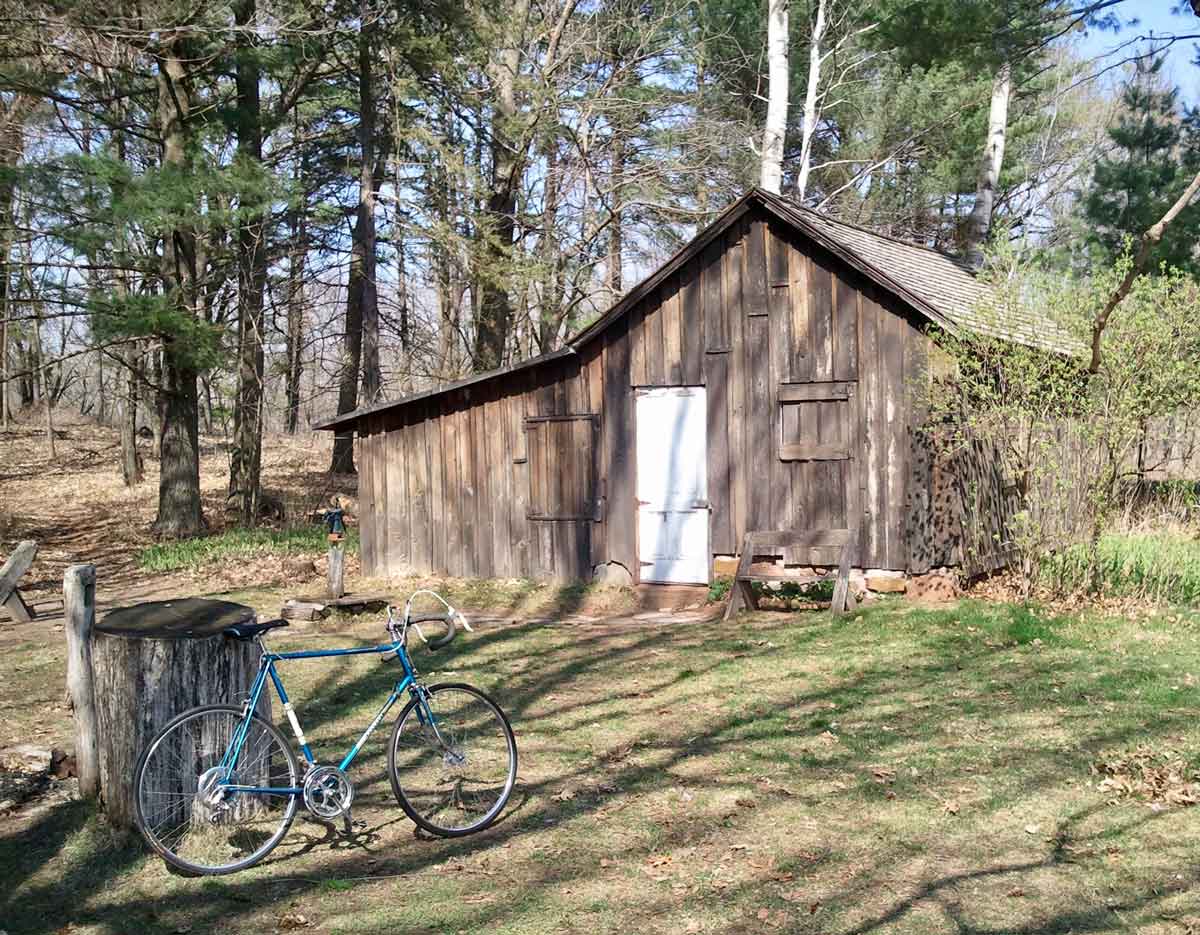
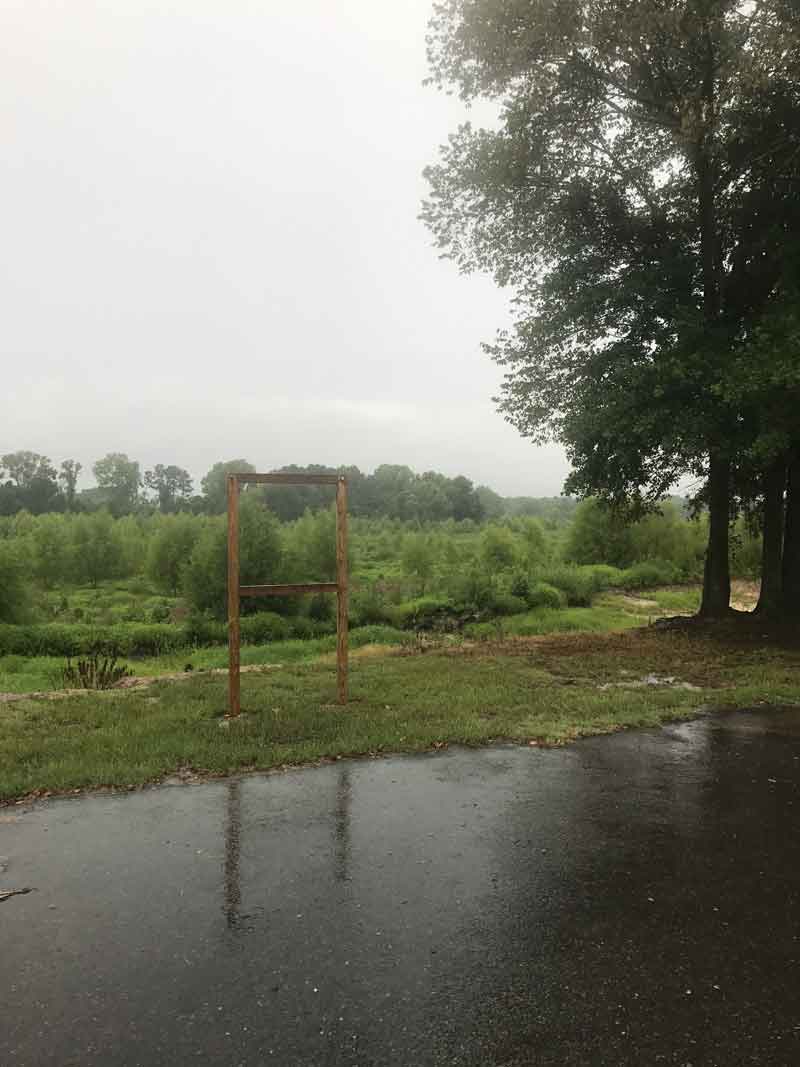
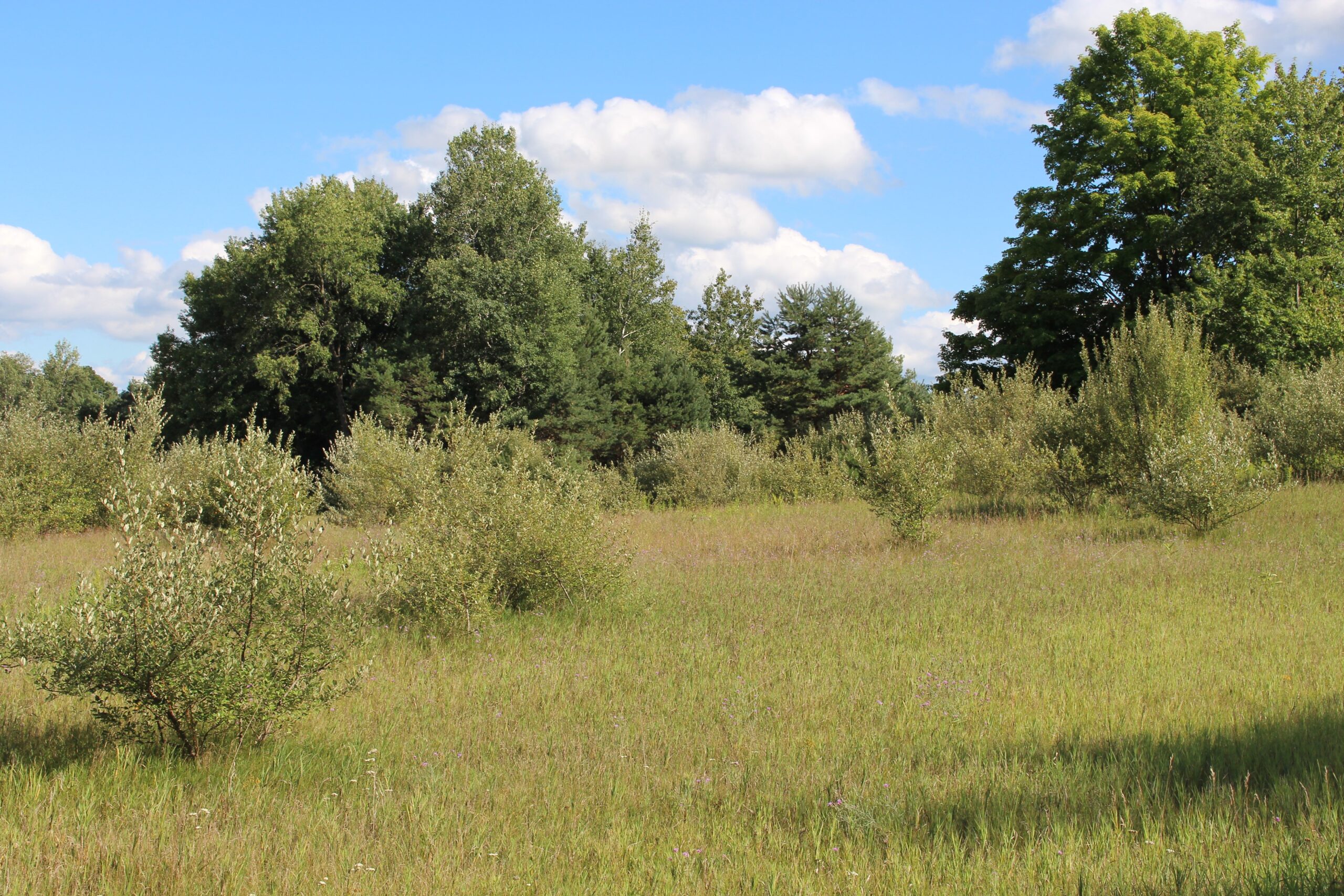
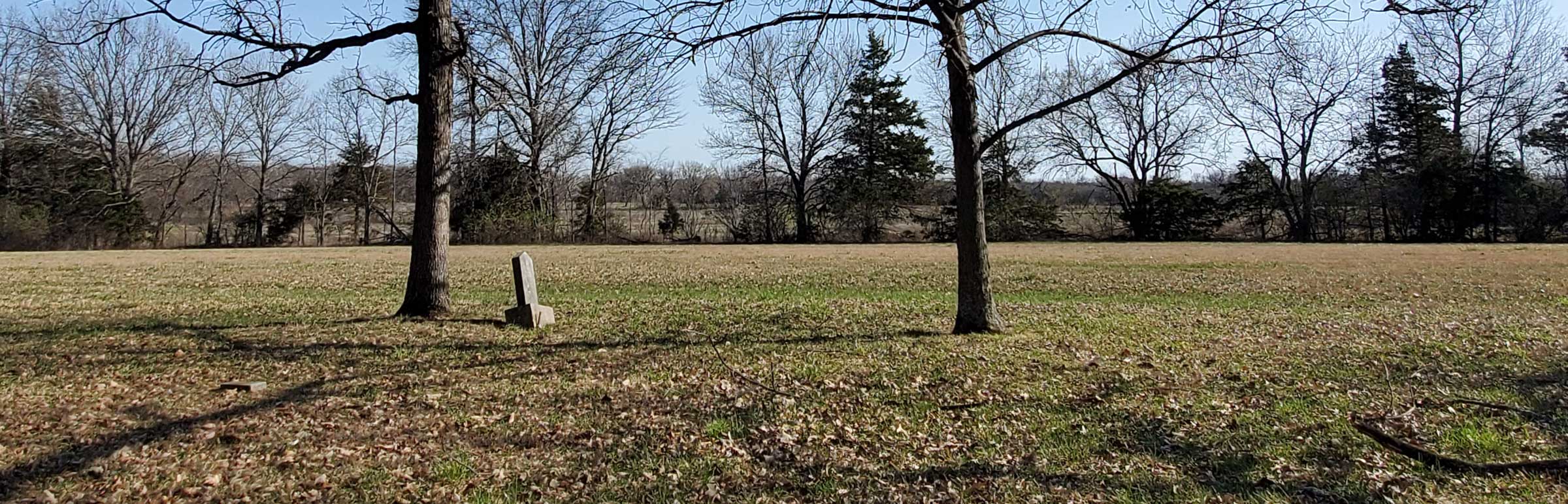
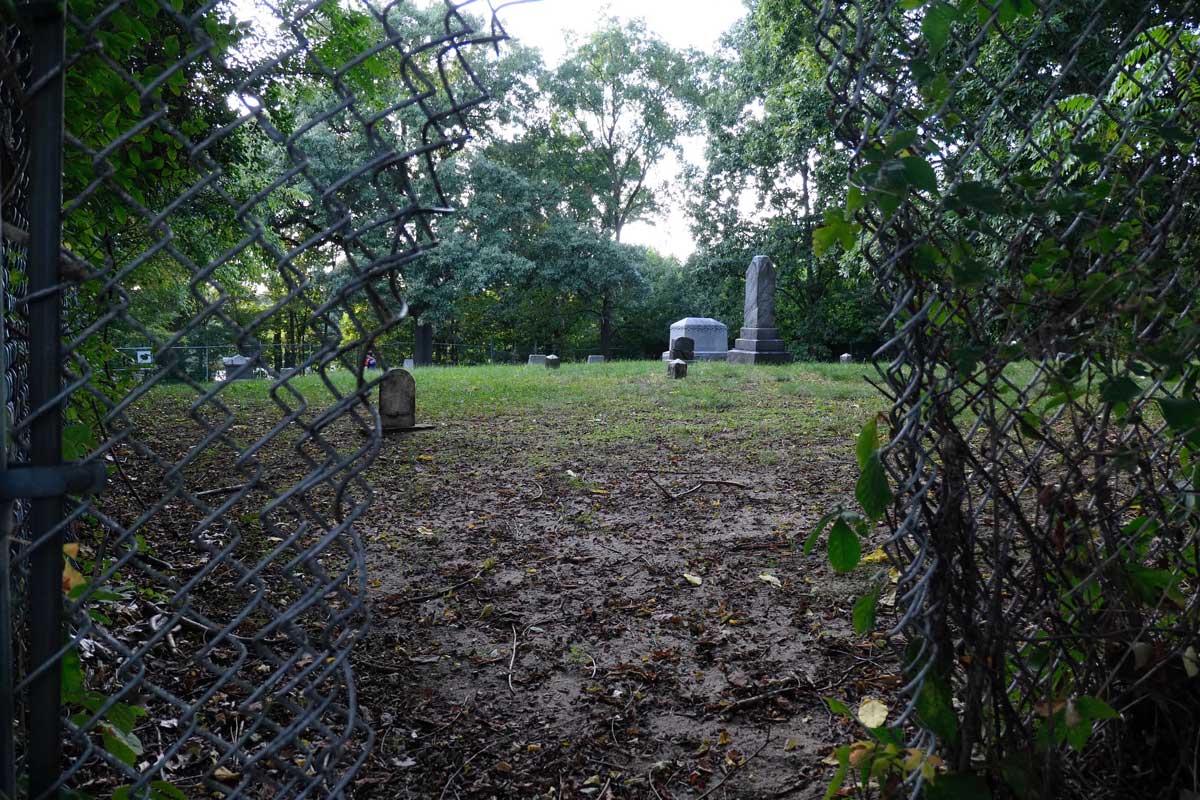
Now it’s just a small, oddly-shaped clearing in a dense wood. At the top of the large pile of limestones we generously call a “staircase,” a space opens up in the trees. It feels like a good place for a pagan ritual. And every four years, on the final night of the International Conference on The State of Mark Twain Studies, that’s kind of what happens. A gaggle of scholars, creative writers, actors, filmmakers, and other Twainiacs gather in the moonlit clearing to smoke the cheapest possible cigars, their inexpensiveness a point of pride, as it had been for Sam Clemens himself. Winners of Pulitzers, National Book Awards, Emmys, Oscars, Tonys, and every imaginable academic fellowship scrape dry flakes of tobacco off their tongues and pretend to know the words to “Oft in the Stilly Night.”
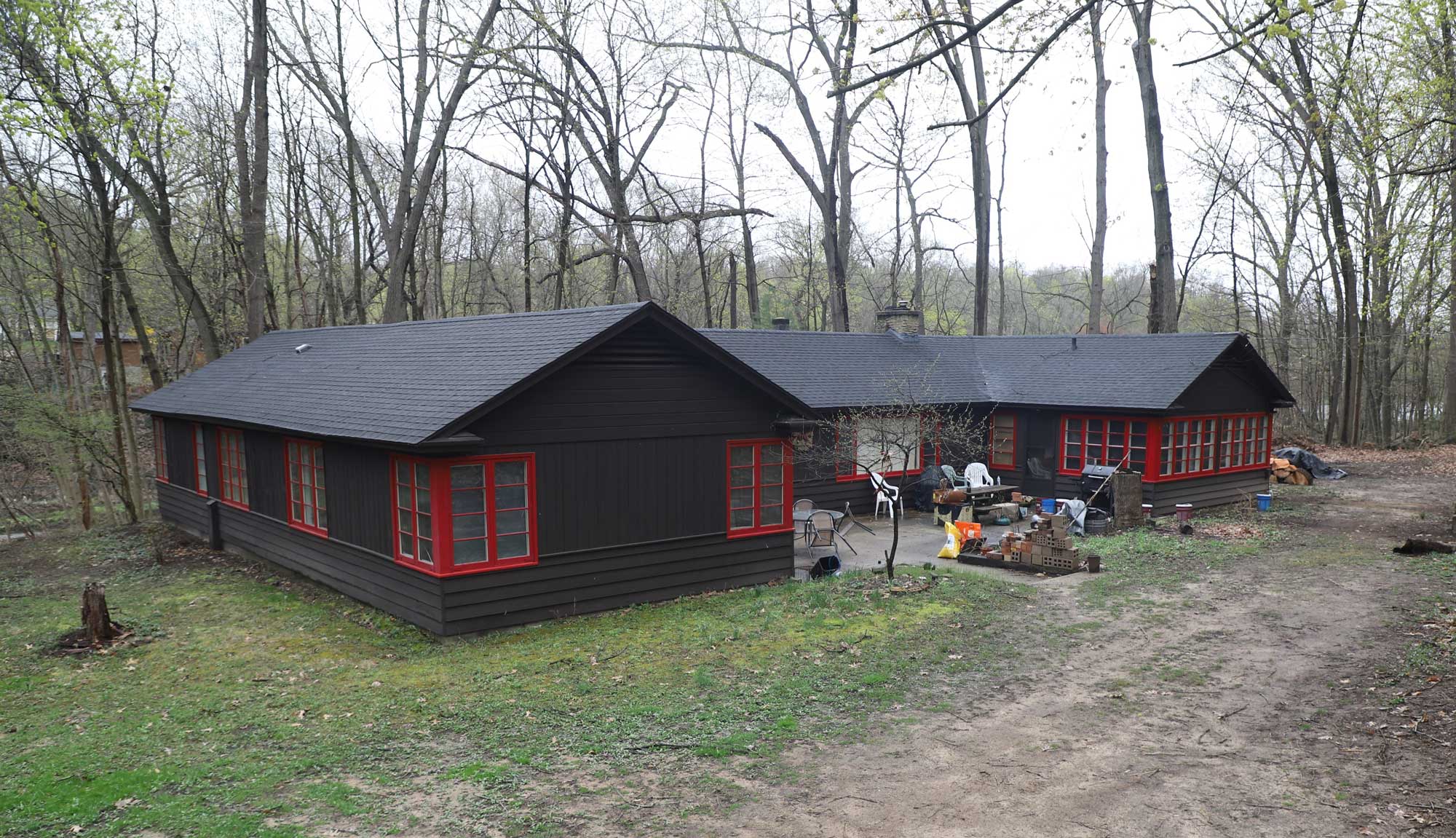
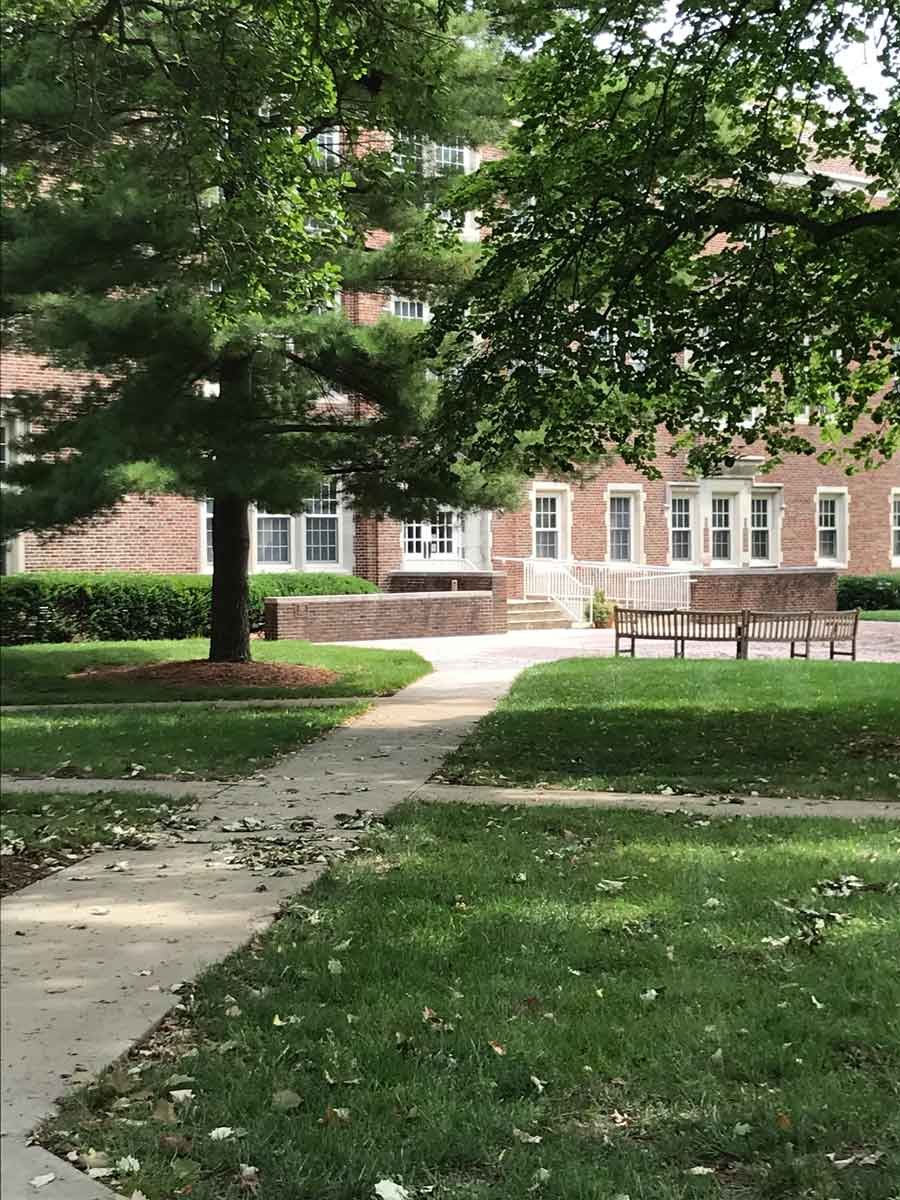
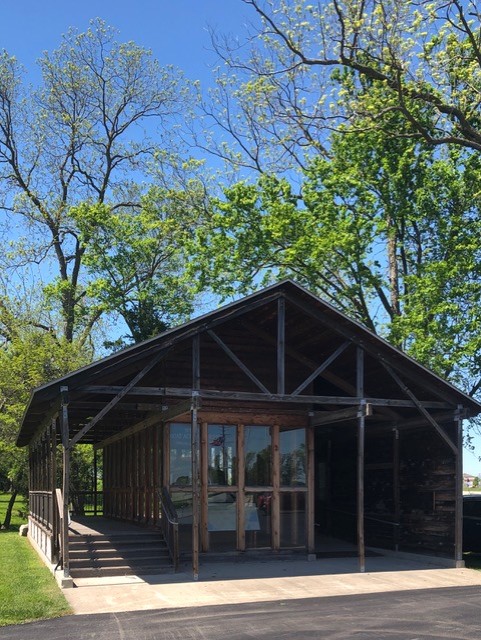
From 1874 to 1953, in this space stood an octagonal study, designed to resemble a steamboat pilothouse, in which Mark Twain drafted the majority of the works for which he is now remembered. After too many midcentury literary tourists made pilgrimage, trapsing across the property where Twain’s in-laws still resided, the study was relocated to the campus of Elmira College, where his wife, Olivia Langdon Clemens, was an alumna and his niece, Ida Langdon, was a professor. Elmira College would eventually become custodian of Quarry Farm as well, and the home of the Center for Mark Twain Studies, where I work.
While I once cringed at the solemnity with which my fellow scholars sung “Will The Circle Be Unbroken?” after four days of academic panels and roundtables, I’ll admit in the intervening years I have occasionally secluded myself in that clearing for a few idle minutes of, I don’t know, reverence.
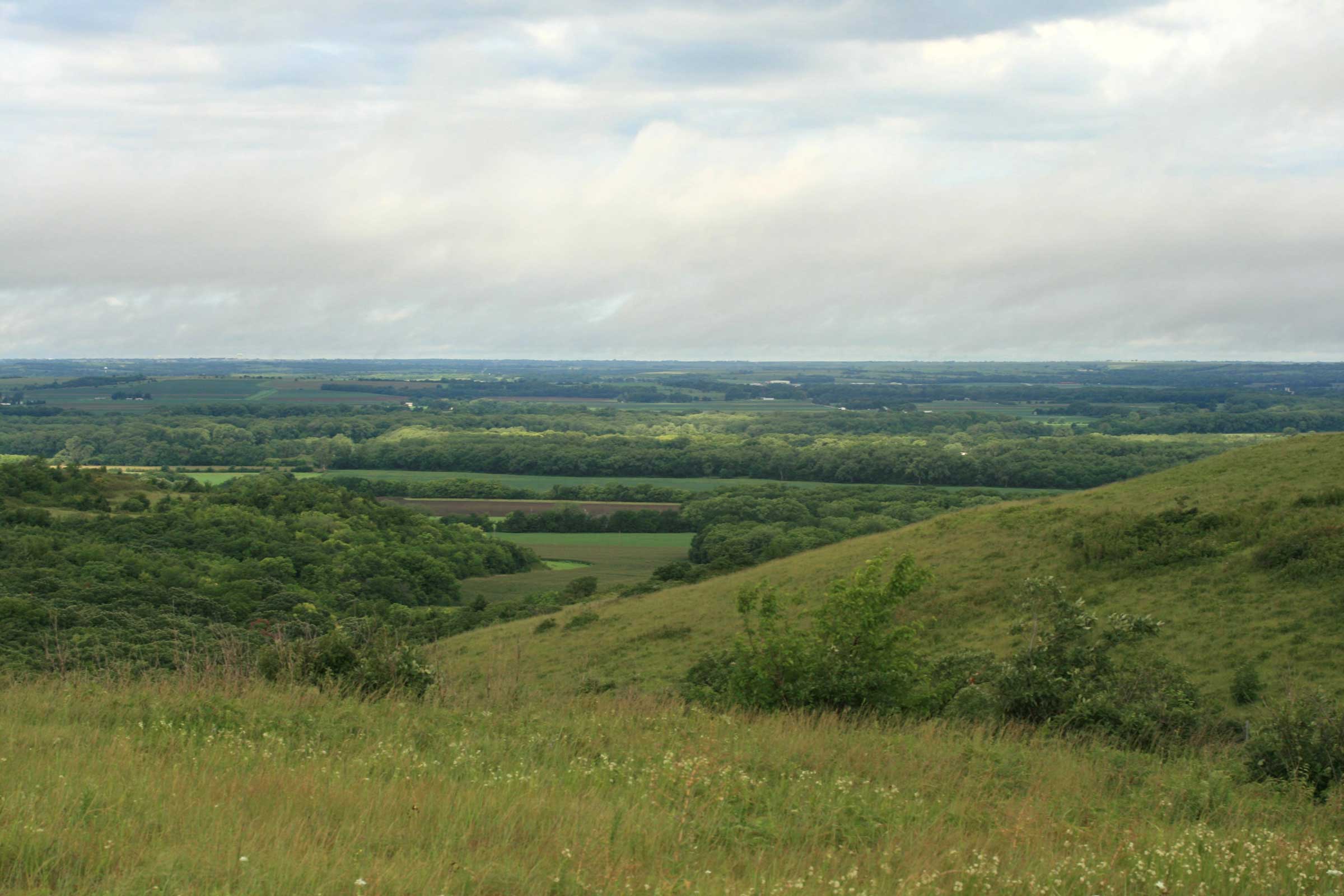
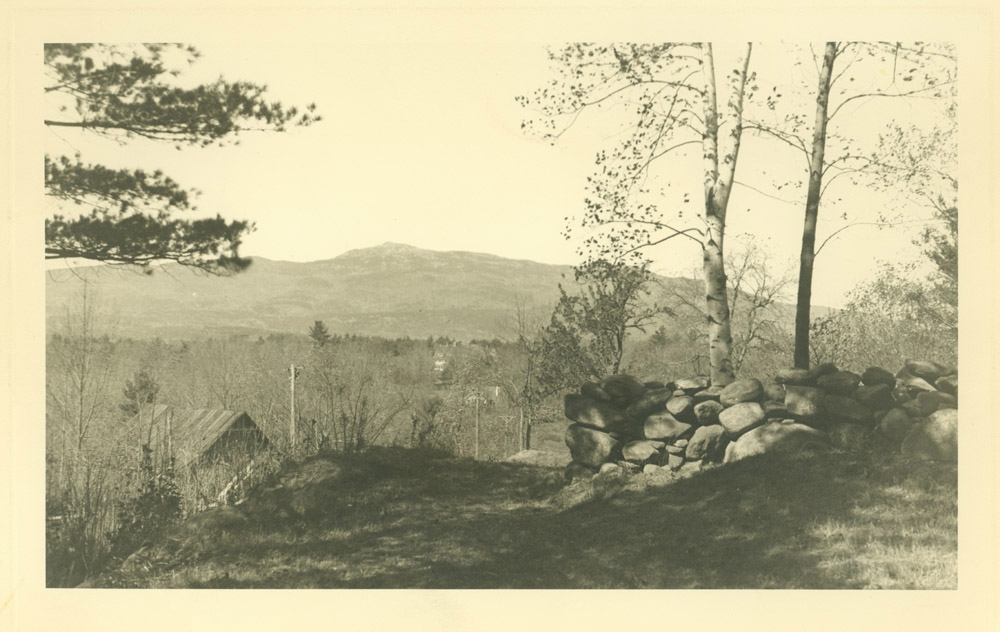
When Twain was here, most every Summer from 1869 to 1890, and periodically thereafter, there were no woods. The study was, as he put it, “perched in complete isolation on the top of an elevation that commands leagues of valley and city and retreating ranges of distant blue hills.” One can still approximate this view from the veranda of the main house at Quarry Farm, a hundred yards southeast and downhill from where the study stood. On a clear day, the blue hills are visible well across the Pennsylvania border, seven miles south.
It was this view, across the Chemung River Valley, this panorama of church steeples, lumber barges, railways bridges, and smokestacks, of commercial development buttressed by wilderness on all sides, which inspired Twain’s imaginative return to antebellum Missouri. First the early chapters of The Adventures of Tom Sawyer (1876), and then the greater parts of Life on the Mississippi (1883) and Adventures of Huckleberry Finn (1885) were drafted here, along with dozens of other novels, memoirs, plays, essays, stories, speeches, and at least one pornographic farce solely for private circulation. Twain estimated that he wrote ten chapters in the study at Quarry Farm for every one he wrote elsewhere.
Visitors joke, often enough for it to become something of a cliché amongst our staff, that Twain’s productivity must have been fueled by boredom. His other regular haunts during the Gilded Age – Hartford, New York City, London, Vienna, Berlin – are so cosmopolitan and Elmira so provincial by comparison. It must have been easy for him to avoid distraction up there on East Hill. I have myself sometimes described him as looking down on Elmira like the Grinch over Whoville. But there is no evidence that Sam Clemens disdained or eluded the social scene of Elmira. To the contrary, some of his most cherished friendships were developed here, with Thomas K. Beecher, Charley Langdon, John T. Lewis, and John B. Stanchfield. And he did not vegetate at Quarry Farm, waiting for them to come to him, either.
One of Twain’s most healthful habits was his near-daily constitutionals. He was a “pedestrianist,” as he put it. Often accompanied by friends, often chain-smoking, he would walk shocking distances over tough terrain. During the seasons he spent here, downtown Elmira was connected to Quarry farm only by what one visiting reporter described as “a winding road, which is steep, very steep, and at times is really a dangerous driveway.” Twain was well aware of the danger, having witnessed the occasion in 1877 when a runaway carriage containing his sister-in-law and niece nearly careened into a deep ravine, saved only by the heroic efforts of Lewis.
The “dangerous driveway” no longer exists. It has been replaced by a pair of paved two-lane surface roads, still very steep, and treacherous when icy. This commute should be considered as essential to Twain’s writing process as the porch where he read each day’s work aloud to the assembled family and maybe even as the study itself.
Throughout his forties and fifties, Twain tripped his way down (and back up again) to visit the barber shop of Henry Washington, the self-emancipated man whose mother is the narrator of Twain’s “A True Story, Repeated Word For Word As I Heard It”; to play pool with Beecher in the makeshift billiard parlor the radical theologian had created in the southwest corner of the Park Church; to gossip with other men of his guild at the newspaper offices of the Elmira Advertiser, Gazette, and Telegram;and to wet his whistle at Klapproth’s Tavern.
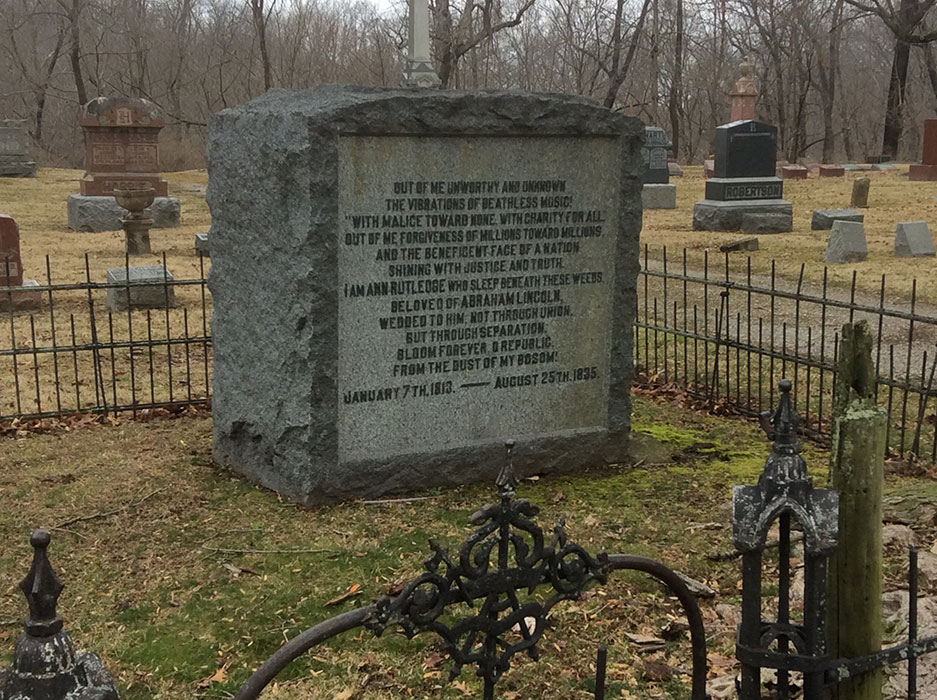
Far from being a recluse during the three or four months he spent in Elmira every year, Twain was someone you were likely to bump into during a summer stroll, a fixture of the downtown scene. When Twain died, legions of well-wishers gathered for a public viewing in New York City of the celebrity who Robertus Love, in his obituary, deemed “the most famous man on earth.” But Twain’s eulogy, written by the first woman ordained in this state, Beecher’s protégé, Annis Ford Eastman, was read at the Park Church in Elmira, and he was laid to rest at Woodlawn Cemetery, next to his wife, son, and the two daughters who preceded him.
Frank Gannett, the newspaper magnate who was then the publisher of the Elmira Star-Gazette, noted in his obituary that though Twain’s celebrity and works belonged to the whole world, his “personal attributes, idiosyncrasies and peculiarities of disposition, temperament and moral attitude” felt like they were peculiar to Elmira. Nearly every Elmiran could recount secondhand stories, if not personal memories, of the famous author’s local exploits, and could testify to his “labors in the path of universal education,” his “insistence on an exchange of absolutely honest and honorable relations in every business and social enterprise,” and his “domestic life full of examples of faithfulness and devotion.”
That steep, winding, hazardous road between Quarry Farm and downtown Elmira connected the pastoral idyll — which was undoubtedly good for Twain’s productivity — to a diverse cast of quirky characters and social dynamics, which were also, I contend, generative for his art. Part of what I have elsewhere called the “Quarry Farm Style” is its dialectic of romance and realism. The novels written under these conditions move from King Arthur’s Court to scathing critiques of feudal and industrial society, from vivid naturalist descriptions of the Mississippi River to violent scenes of crisis and collapse along the banks, from prevailing American myths to reportage which debunks them, from the lifestyles of deluded princes to those of grasping paupers (equally deluded).
By the time he first came to Elmira, 33-year-old Mark Twain well knew what it was like to climb. How hard. How irrational. How unlikely. And I expect every time he contemplated those two miles back up East Hill, he was reminded again. The bootstrappers, the strivers, the grinders, the scrapers, the self-title entrepreneurs: all the lunks in the streets blindly hustling some mirage of success in a society structured to ensure their defeat; aren’t they ridiculous?
Well, so am I.
Matt Seybold is Associate Professor of American Literature & Mark Twain Studies at Elmira College, as well as Resident Scholar at the Center for Mark Twain Studies. He is executive producer and host of The American Vandal Podcast and founding editor of MarkTwainStudies.org. He is co-editor (with Michelle Chihara) of The Routledge Companion to Literature & Economics (2018) and (with Gordon Hutner) of a 2019 special issue of American Literary History on “Economics & Literary Studies in The New Gilded Age.” His work has appeared in dozens of publications.
Photo of Samuel Clemens looking out from the study window, Quarry Farm, East Hill, Elmira, New York, 1903. By T.E. Marr, courtesy of the Mark Twain Archive at Elmira College.