
Mark Twain
Mark Twain Boyhood Home & Museum
Hannibal, Missouri
By Cindy Lovell
The best time to visit Hannibal, Missouri, is right after you’ve read The Adventures of Tom Sawyer (1876), especially if you chase it with the sequel, Adventures of Huckleberry Finn (1884). The other best time to visit is when you haven’t read these books in many years. You see, Hannibal stands ready to awaken memories, stir dormant imaginations, and welcome you to its literary folds. The question is, are you ready?
I first read Tom Sawyer in the fourth grade. I would spend the next 30 years trying to get to Hannibal as I reread Tom Sawyer and learned more about its author, Samuel Clemens, pen name Mark Twain.
Although critics claim Huck Finn as the better book, Tom Sawyer provides the gateway where Clemens initially resurrects the people and haunts of his youth. No other town has served the purpose of literature as well as Hannibal. No other author fictionalized his own childhood in such a way as to constantly be inviting all who read the book to come home, come home to Hannibal … or “St. Petersburg.” The line between fact and fiction is lovingly blurred.
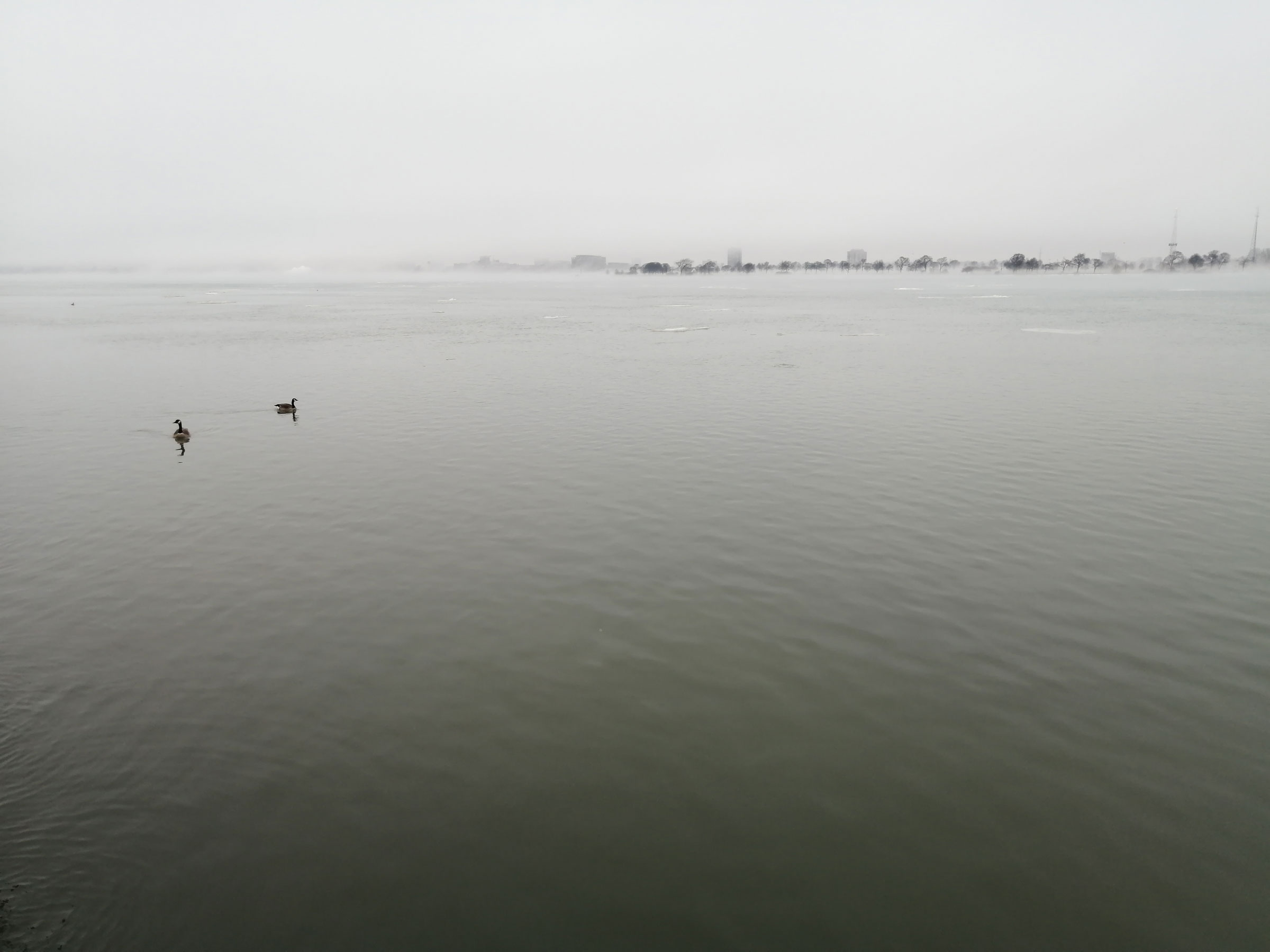
My first pilgrimage was in the summer of 1996. Exiting Highway 61 past a handful of motels and diners, I steered downhill until the Mississippi River sprawled before me, a river of rafts and perils and adventures. I ditched the car and climbed across the levee to feel the power of place. Jackson’s Island loomed large. The Mississippi River may border or pass through ten states, but Mark Twain staked Hannibal’s claim on it when he wrote Tom and Huck.
Two kinds of tourists visit Hannibal: those who have read the books and yearn to feel the connection, and those who enjoy nitpicking impossible points and whining about commercialism. Yes, that’s Sam’s face on the Pepsi machines. To those lacking imagination, I say: lighten up.
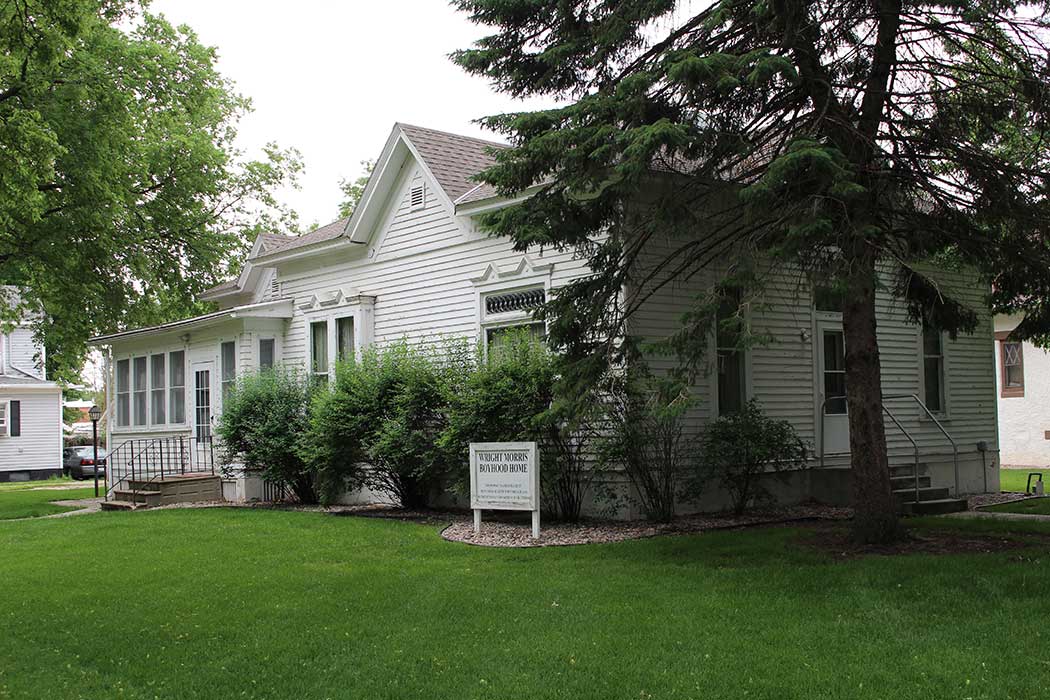
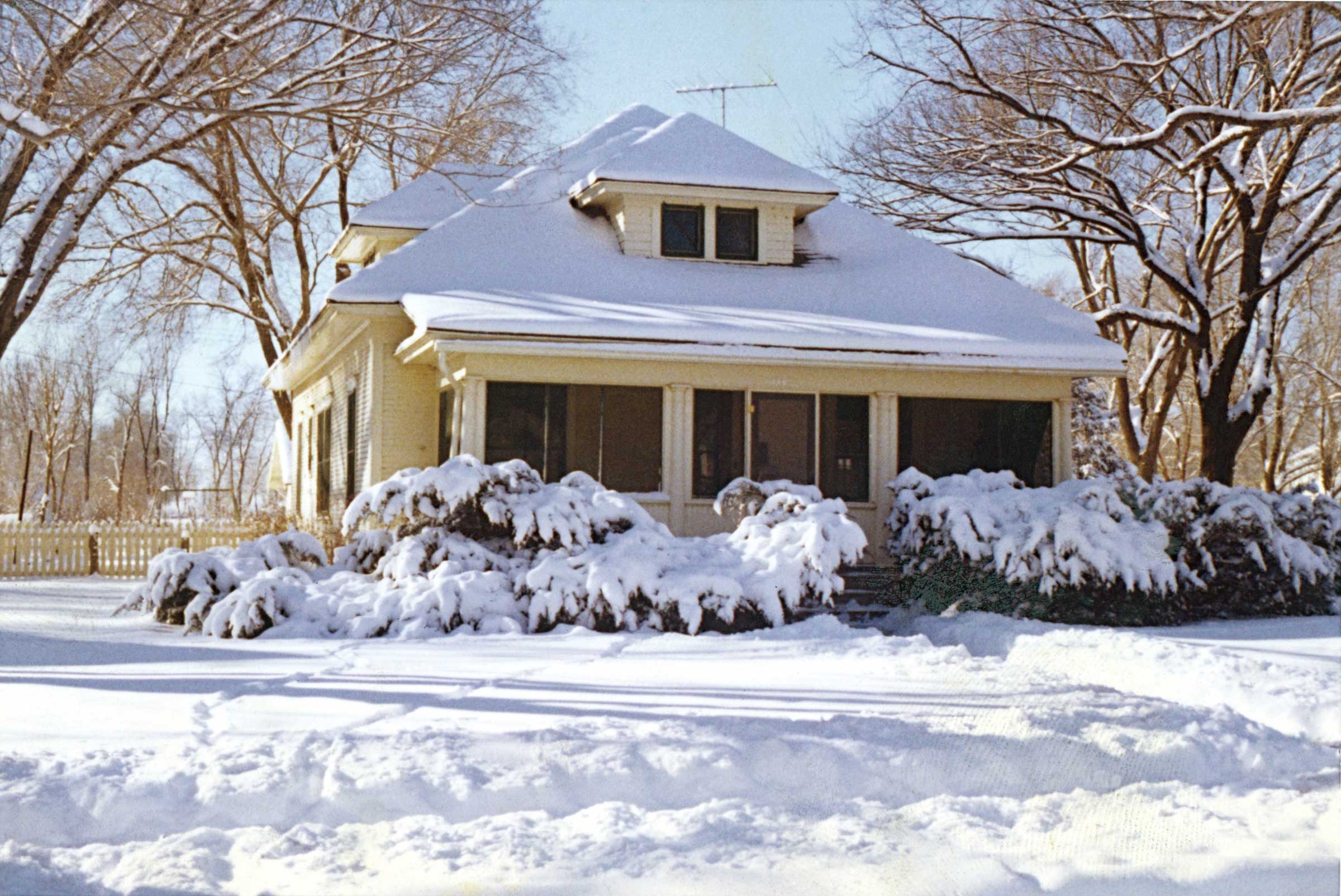
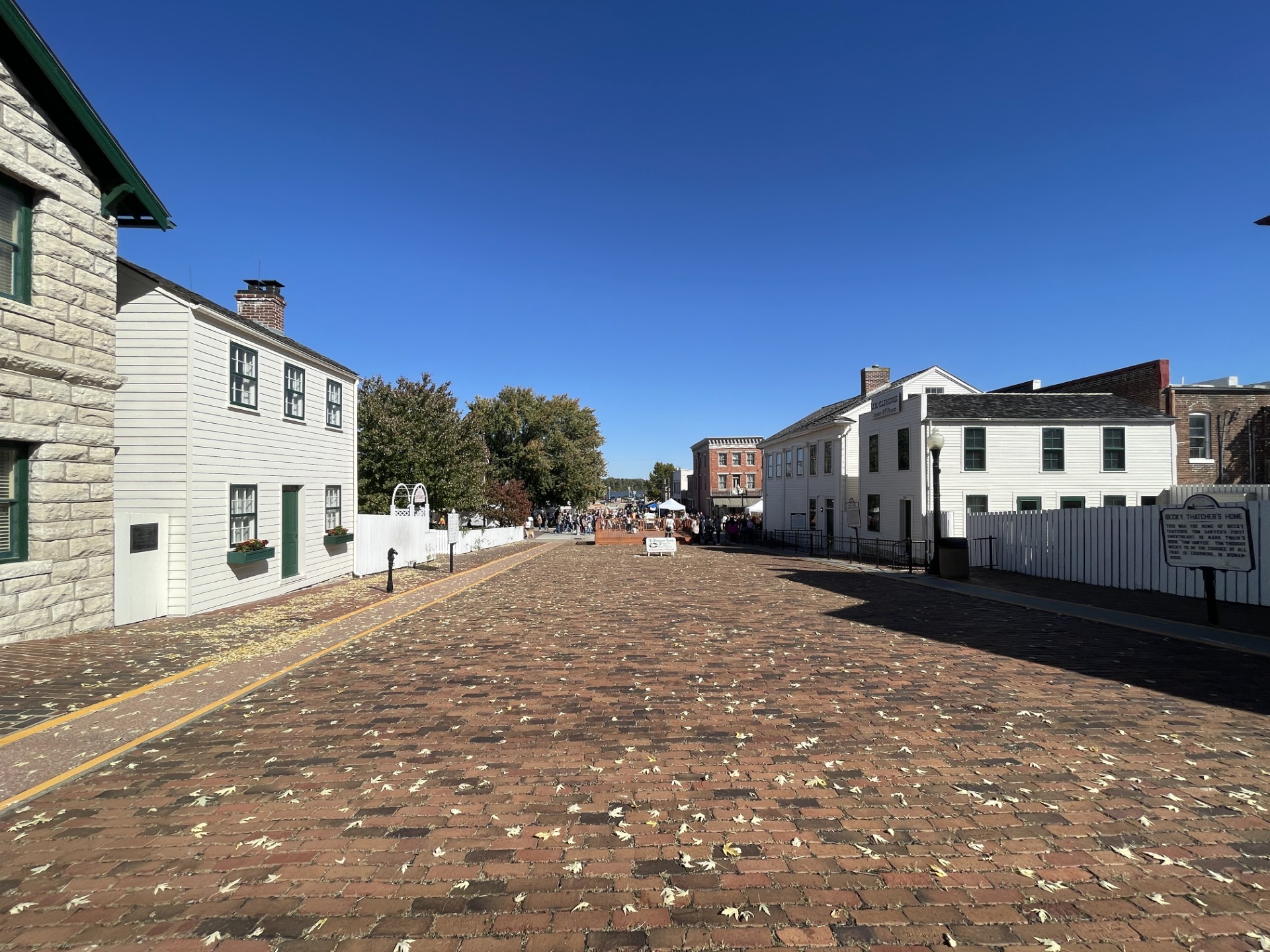
At the corner of Hill and Main, Sam’s two-story boyhood home surveys the town, his bedroom windows facing the river and Cardiff Hill, scenes that presented irresistible temptation. Missing is the one-story ell upon which Sam (and Tom) landed when climbing out the window. Imagination supplies the invisible summer kitchen where the boys landed. Across the street stands Laura Hawkins’s girlhood home. Laura was the model for Becky Thatcher. Other period buildings complete the scene, such as Sam’s father’s Justice of the Peace Office and Grant’s Drug Store, where the family lived during harder times.
If you squint, power lines and cars disappear, revealing imaginary barefoot boys scampering toward adventure, eluding an unseen Aunt Polly.
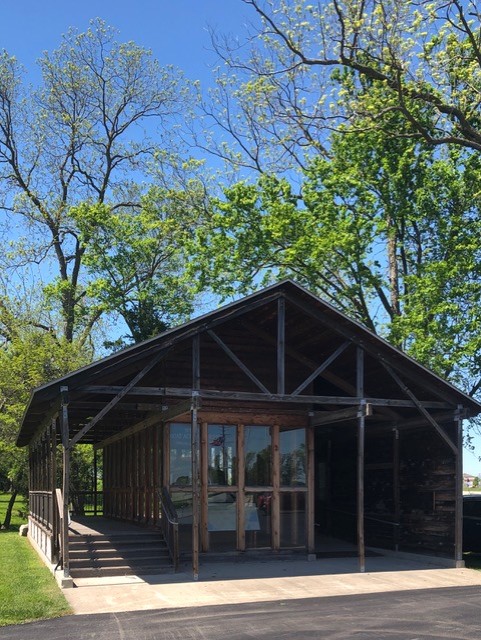
Poke your head inside the replica of Tom Blankenship’s home, making sure to duck if you’re on the tall side. Blankenship was Huck’s real-life counterpart, and his house is catty-corner to the Clemens home, providing excellent proximity when the boys meowed to each other as a signal at night. Museum benefactors built this tiny abode on the site of the original home that housed the vast Blankenship clan. The house was rebuilt using period lumber and conjures enough cramped authenticity to remind modern visitors why Huck preferred sleeping in hogshead barrels. They were roomier.
A few blocks north, a memorial lighthouse, absent during Sam’s childhood, invites visitors to climb 244 steps up Cardiff Hill. The vistas of the river are worth it. Take out your copy of Tom Sawyer and reread the passages describing this “Delectable Land, dreamy, reposeful, and inviting.” Sam got it just right.
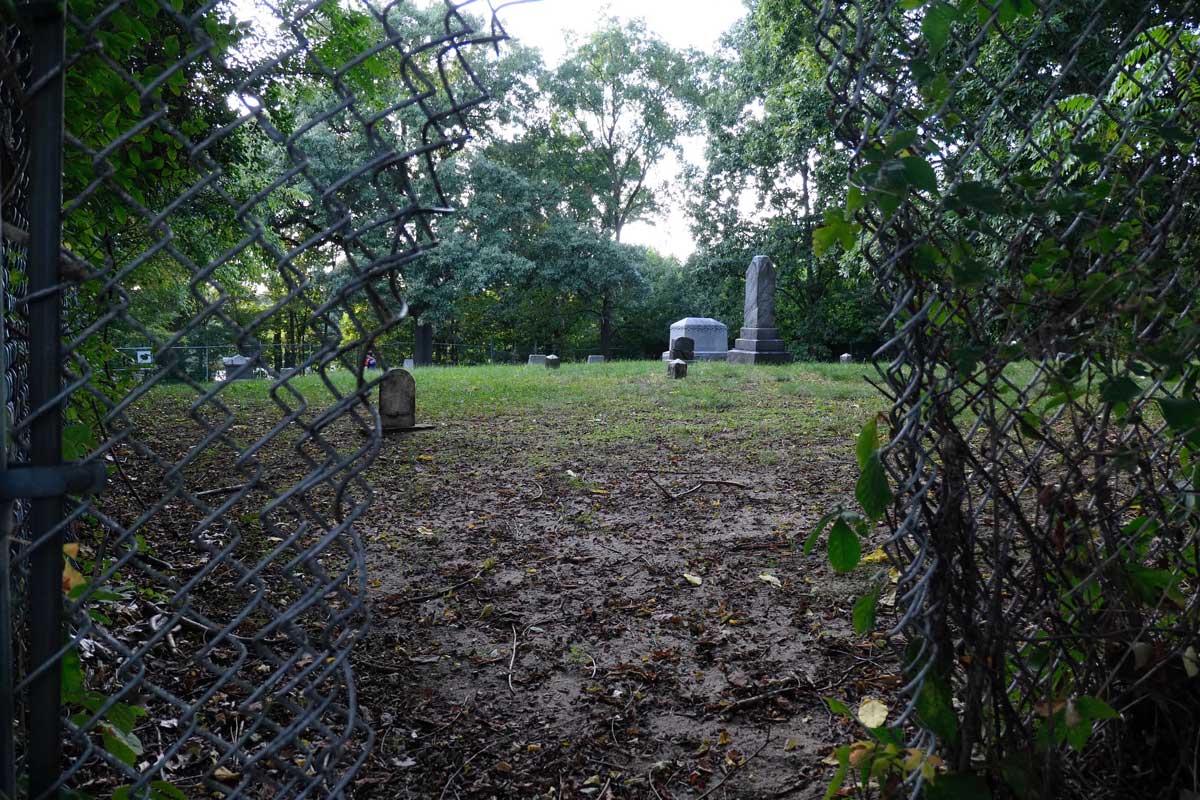
As twilight descends, meander farther away from the river toward the Old Baptist Cemetery, where Tom and Huck found “round-topped, worm-eaten boards staggered over the graves, leaning for support and finding none.” In summer, one million lightning bugs await to enchant the devoted reader. You are forgiven if you yield to temptation and go barefoot in the grass.
In the distance a train slouches through town, each whistle unique, composed by the engineer. On Lovers Leap, out-of-towners listen expectantly.
Two miles south, the Mark Twain Cave reaffirms Clemens’s meticulous memory. In Huckleberry Finn, he provided these directions:
We went to a clump of bushes, and Tom made everybody swear to keep the secret, and then showed them a hole in the hill, right in the thickest part of the bushes. Then we lit the candles, and crawled in on our hands and knees. We went about two hundred yards, and then the cave opened up. Tom poked about amongst the passages, and pretty soon ducked under a wall where you wouldn’t a noticed that there was a hole. We went along a narrow place and got into a kind of room, all damp and sweaty and cold, and there we stopped.
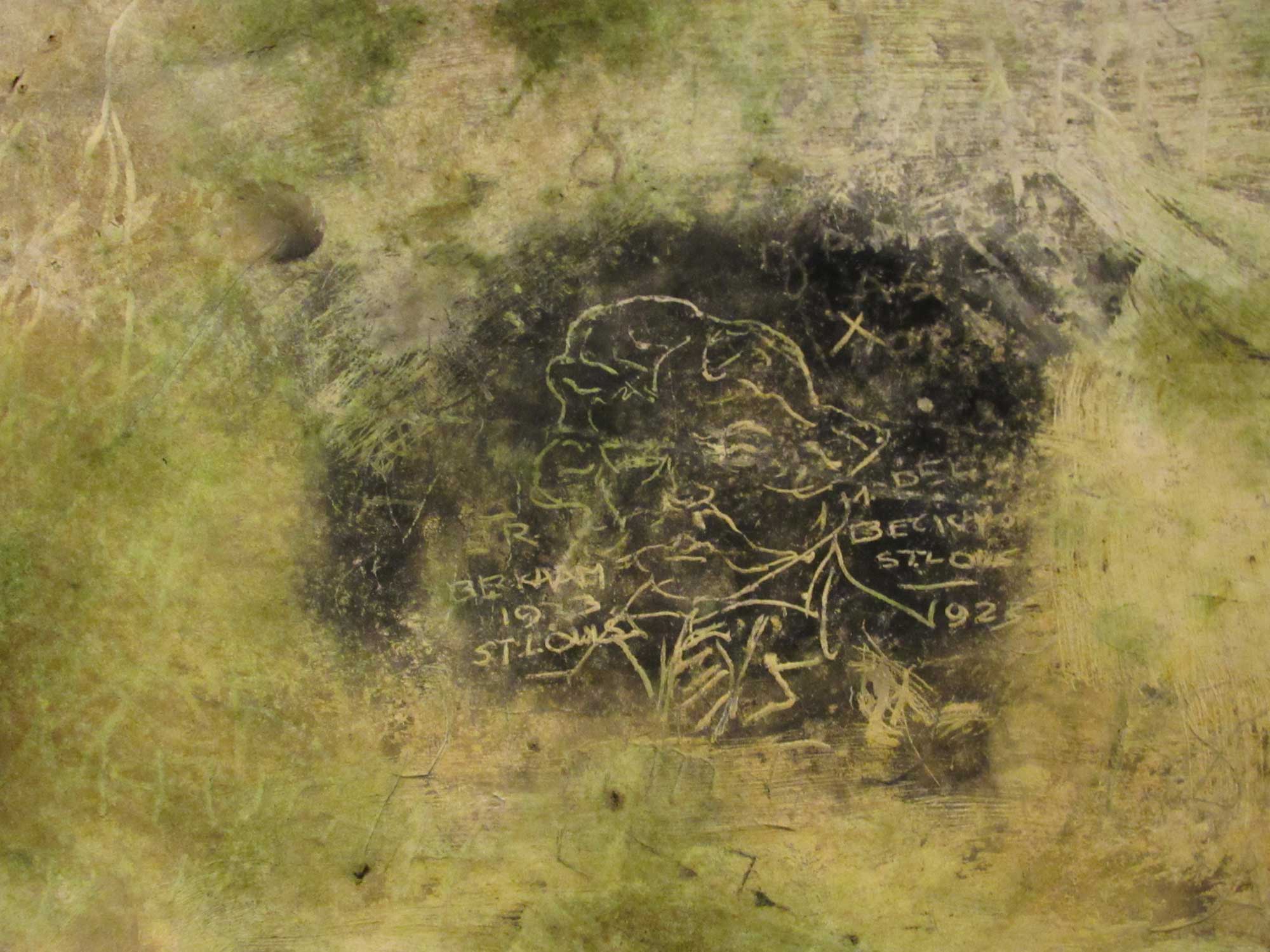
I have followed those directions to that room. It is uncanny that young Sam knew that cave so well as to remember these directions decades later when he wrote Huckleberry Finn. The oldest cave signature is in this room, dated 1819. Young Clemens himself autographed a cave wall as did his friends. I imagine Sam pulling the pencil out from behind his ear, or maybe his pocket. The cave is sacred ground. Utterly sacred.
Hannibal itself is holy to all who fall under the spell of Sam Clemens’s pen. When Jorge Luis Borges, the blind Argentine writer visited, his only wish was to touch the Mississippi River in Sam’s hometown. He wept.
I have witnessed schoolteachers, students, and others respond similarly. Between my first visit in 1996 and moving there in 2007, I lost count of the dozens of people I brought to explore Sam’s boyhood home. They marveled at the cracks in the plank floors where Tom poured the dreaded Pain-killer. They peered at Becky Thatcher’s house from the parlor window and asked if Laura Hawkins stayed in Hannibal or moved away as Sam did. (She stayed.) They lingered in the kitchen imagining Sandy, a young enslaved boy whose services were rented by the Clemenses, sleeping on a rug.
Their questions attempted to discern fact from fiction. All were worthy visitors. They brought no snipe, no snark, no snide remarks dismissing the commercialization of Hannibal’s most famous resident. They brought respect, curiosity, and imagination. And Hannibal rewards such folks.
Cindy Lovell is a writer and educator. She teaches a course on Tom Sawyer for Quincy University, which is on the Illinois side of the Mississippi River. She is the former executive director of both the Mark Twain Boyhood Home & Museum (Hannibal, MO) and the Mark Twain House & Museum (Hartford, CT). Cindy wrote the narrative for Mark Twain: Words & Music, a double-album benefit project for the Boyhood Home, featuring Jimmy Buffett as Huck Finn, Clint Eastwood as Mark Twain, and Garrison Keillor as narrator. Grammy Award-winner Carl Jackson produced the project, and performers included Brad Paisley, Sheryl Crow, Emmylou Harris, and other fans of Mark Twain.

![Mark Twain in Study Window [1903]](https://newterritorymag.com/wp-content/uploads/2025/12/Twain-in-study-window-1903.jpg "Twain in study window 1903")