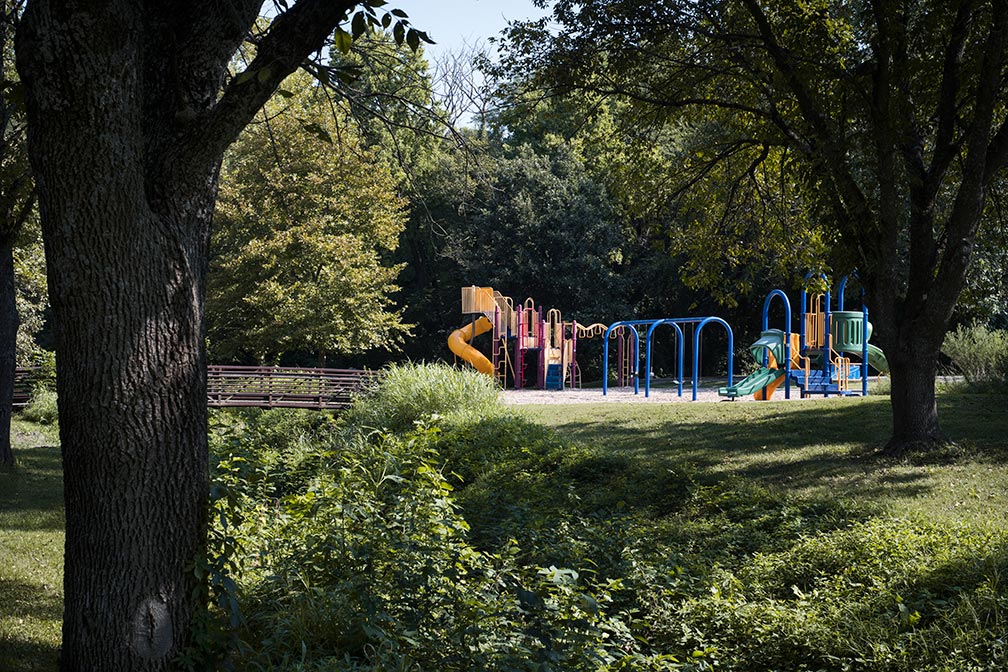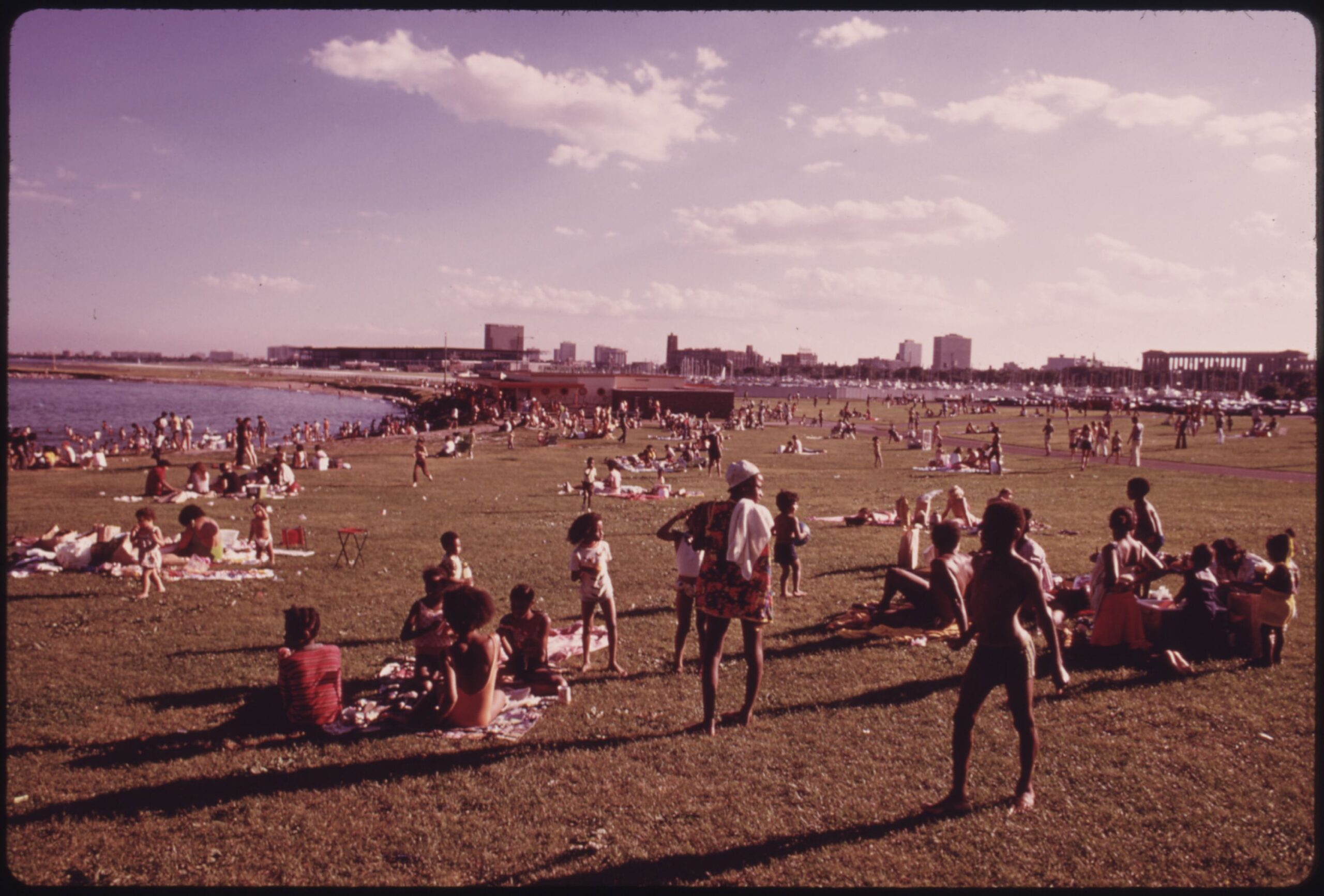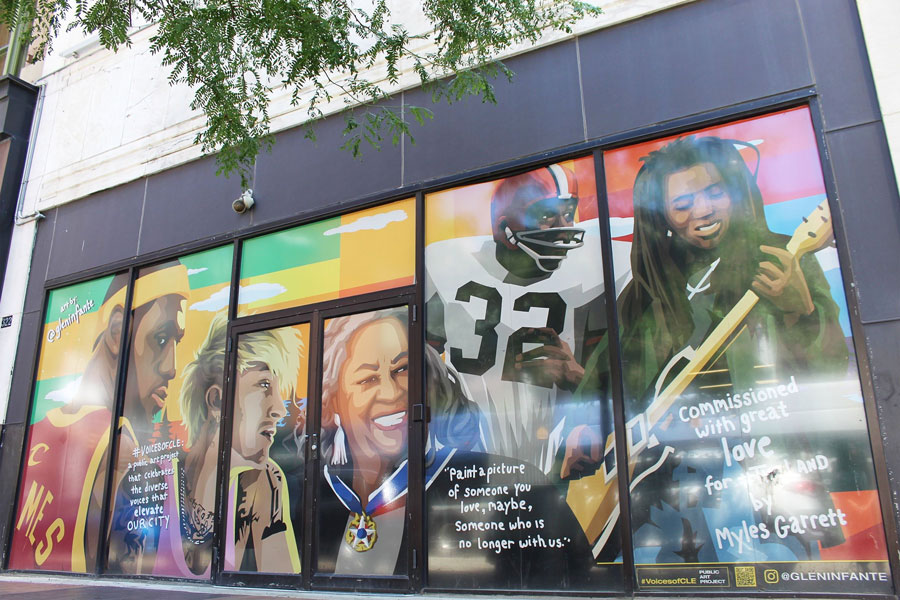

Renee Nicole Good
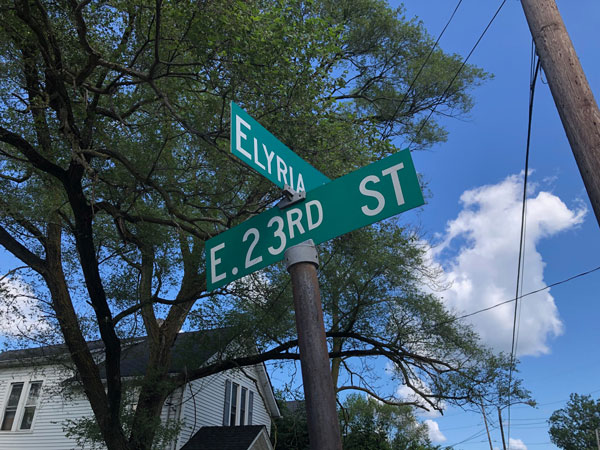
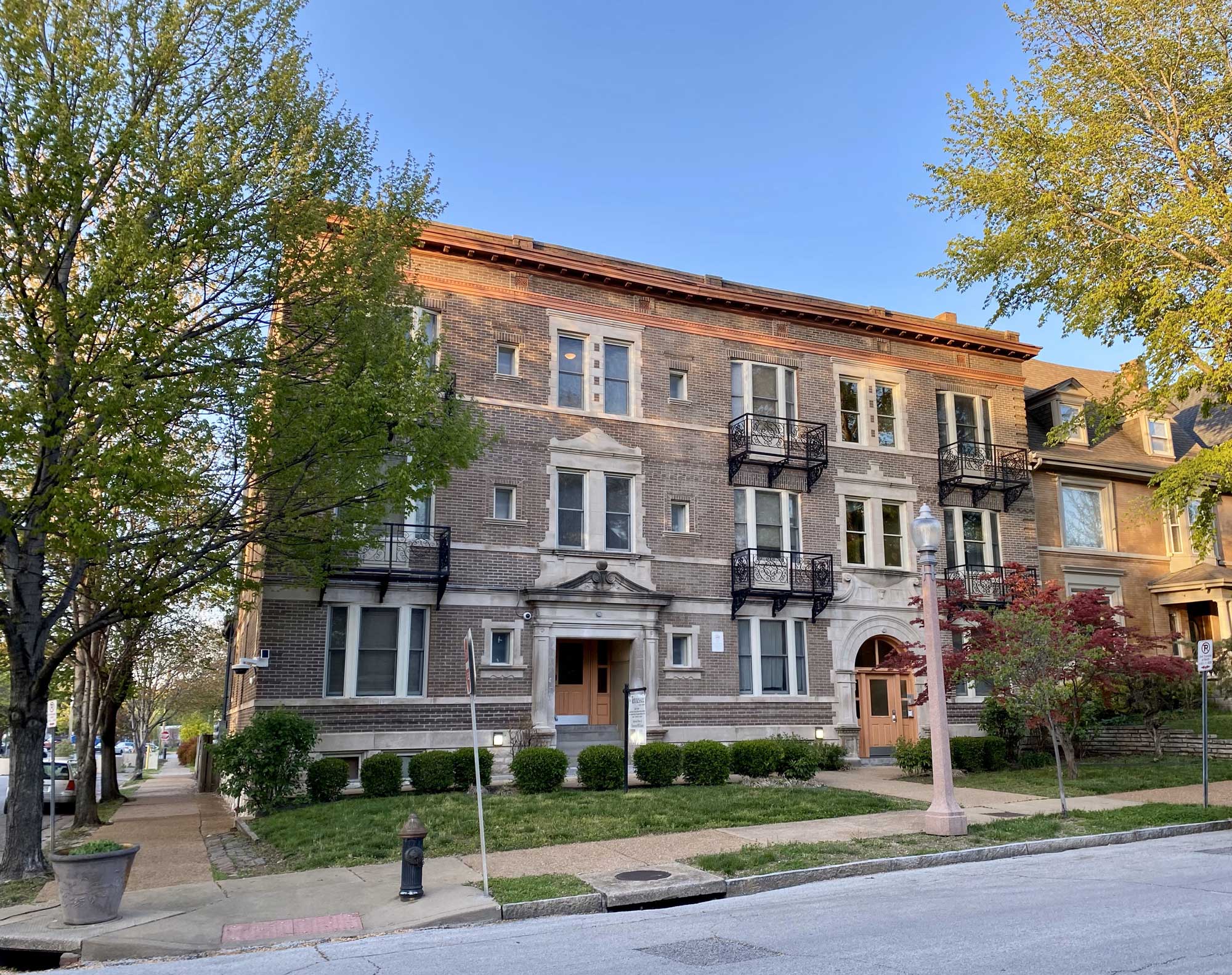
34th Street & Portland Avenue
Minneapolis, Minnesota
By Ellen Lansky with Greta Gaard
On Tuesday night, January 6, 2026, the lesson at the Introduction to Judaism class my girlfriend, Greta Gaard, and I are taking was “Antisemitism and the Holocaust.” Before the Tuesday night class at Temple Israel in Minneapolis, Minnesota, we’d started watching Shoah. In the interviews of Polish villagers in Chelmno and Treblinka, we saw that they knew what lay in store for their Jewish neighbors when the gas vans came to take them away. The Polish women spoke openly about their envy of the beautiful Jewish women, of the wealth their families had accumulated, of the homes that they had. After their Jewish neighbors were crammed into gas vans and rolled off to be cremated, the Polish villagers moved into Jewish houses and apartments and took over their businesses.
Greta said, “How is it that the Jewish families out-earned their Polish neighbors? Weren’t they also Polish?”
“I’ve never heard of a Jew described as a Pole.”
“What else would they be?”
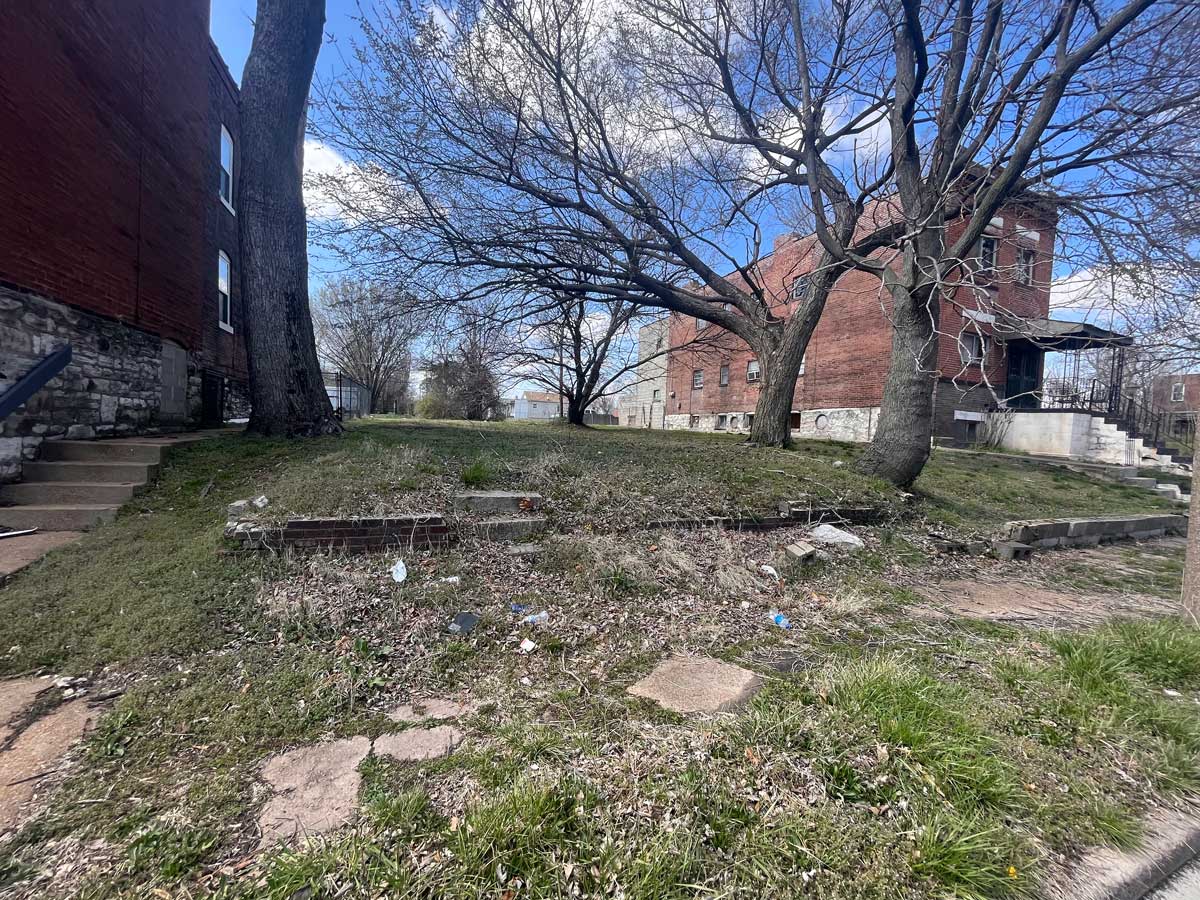
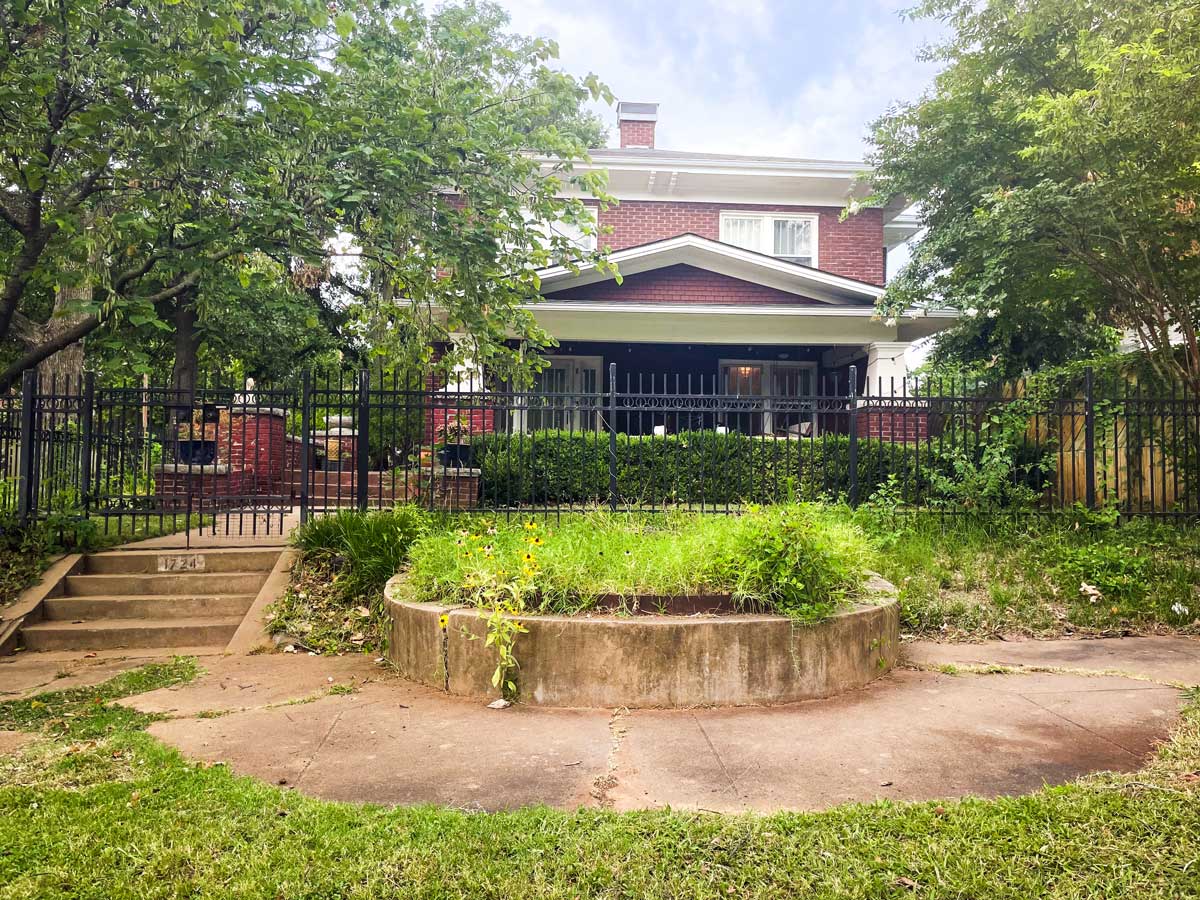
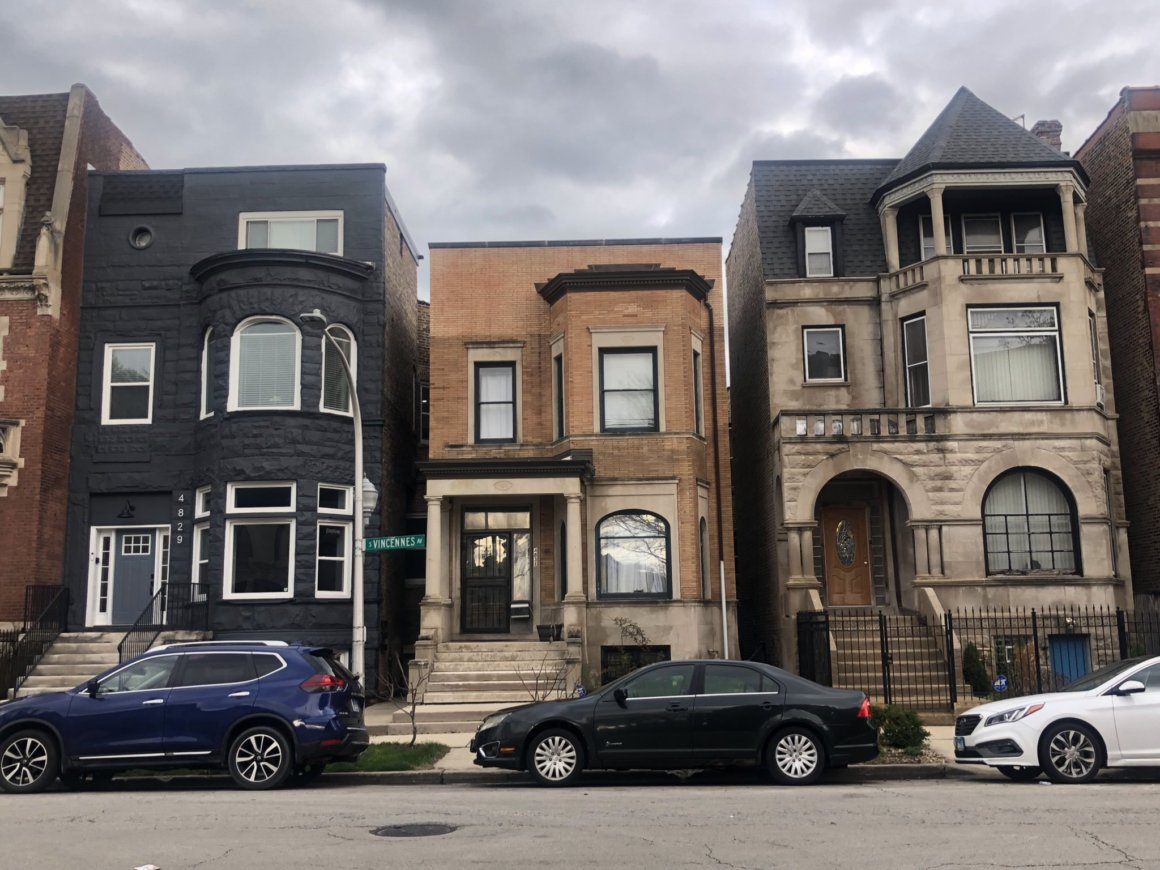
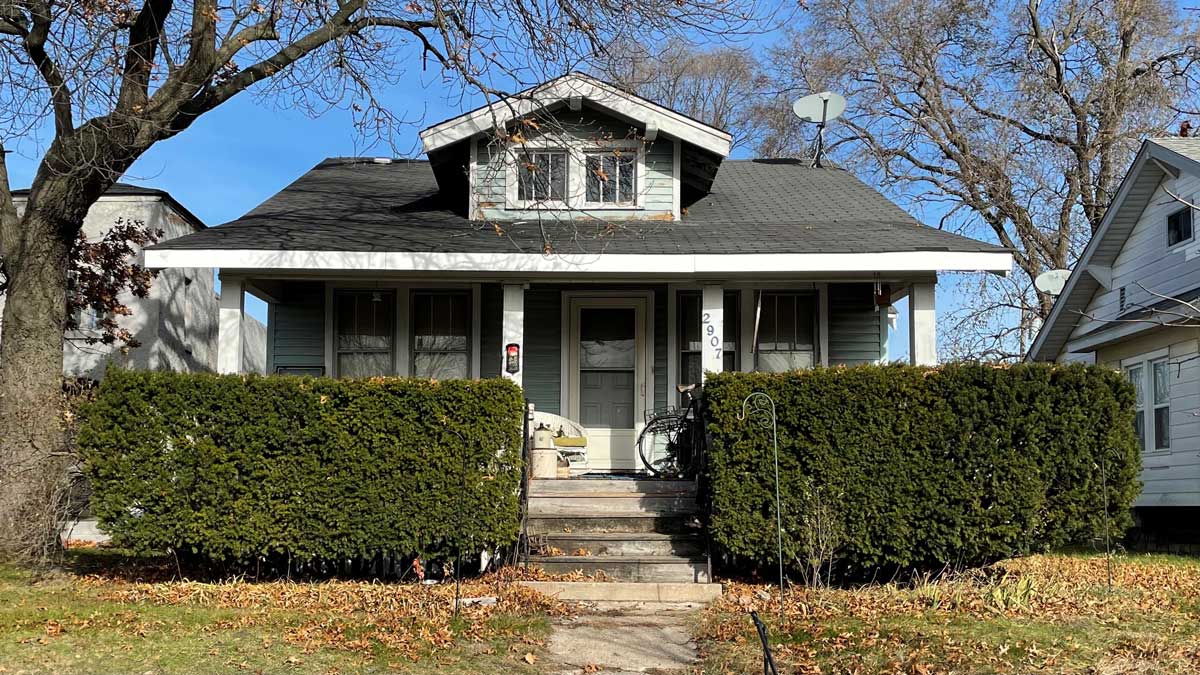
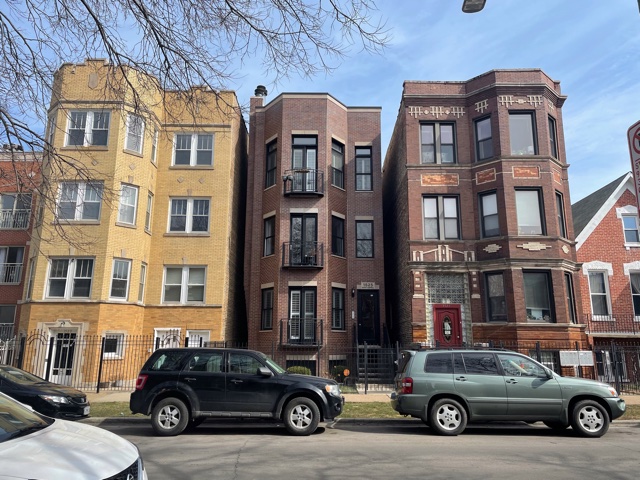
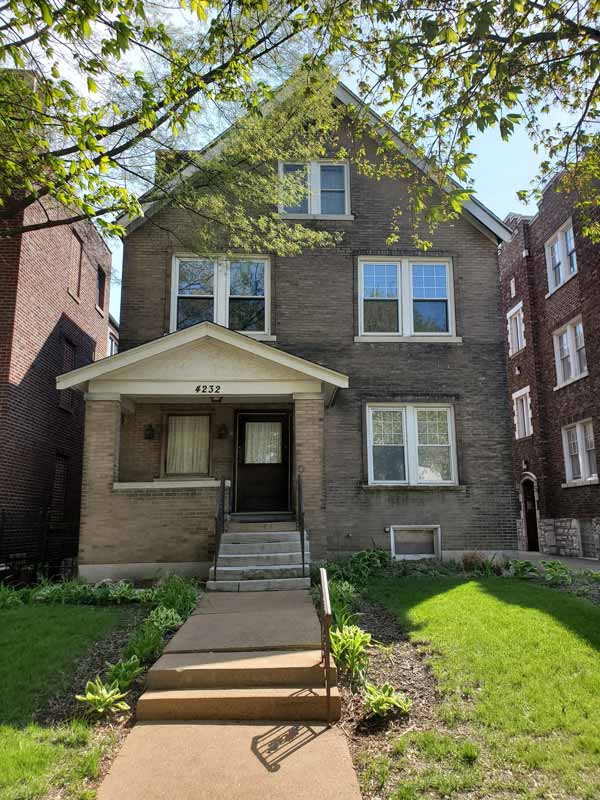
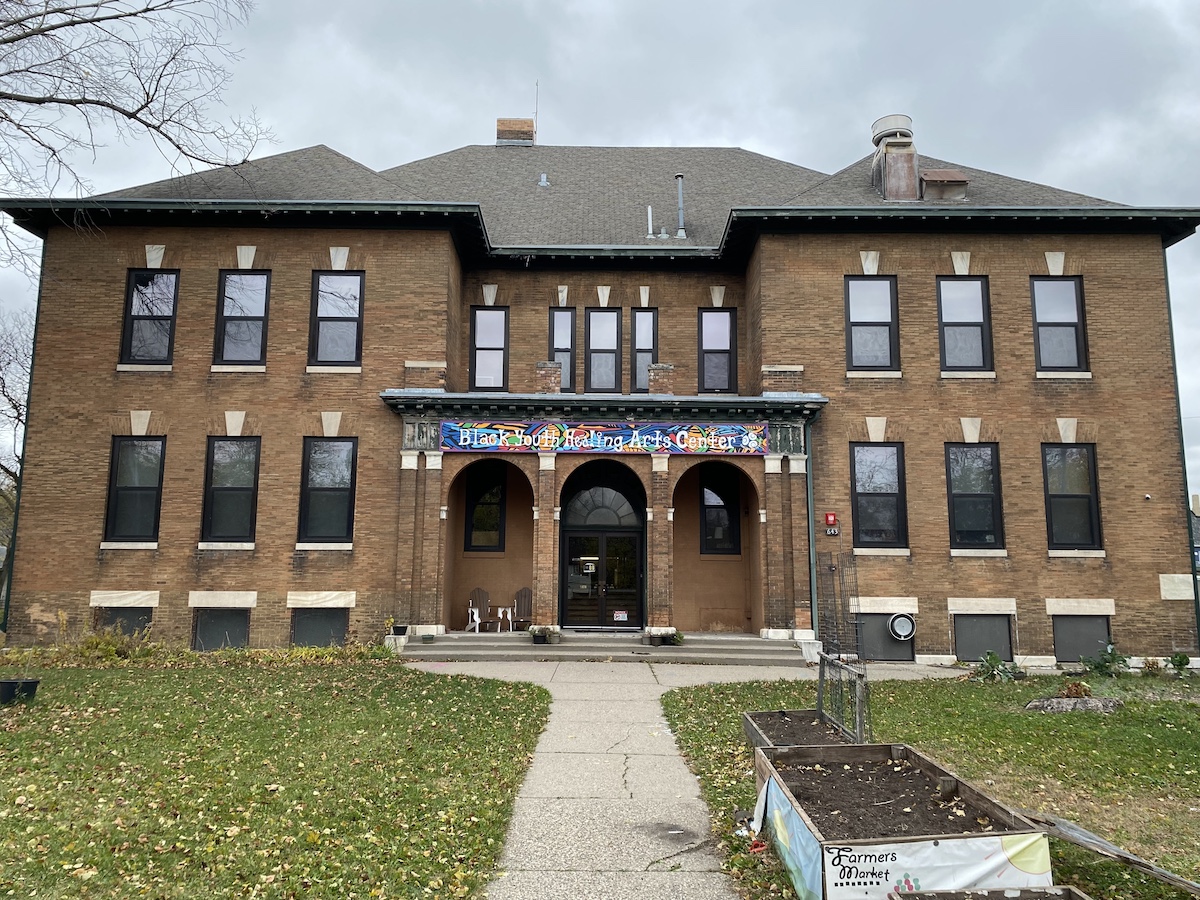
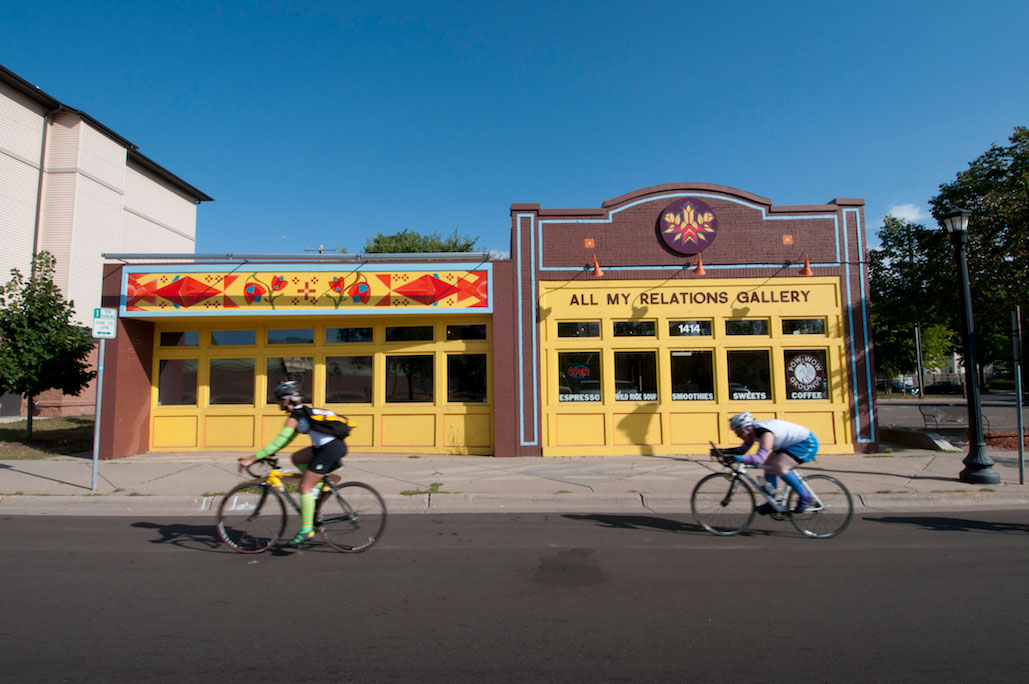
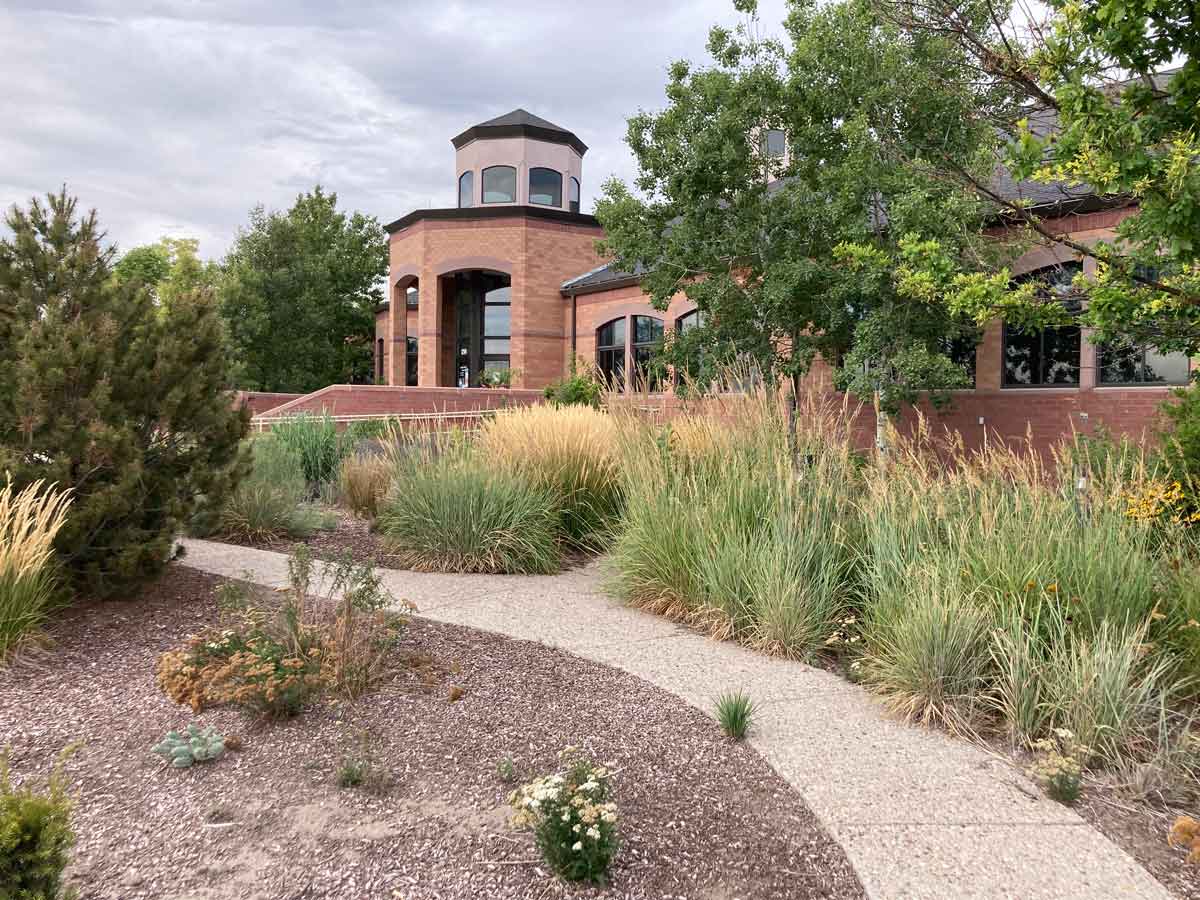
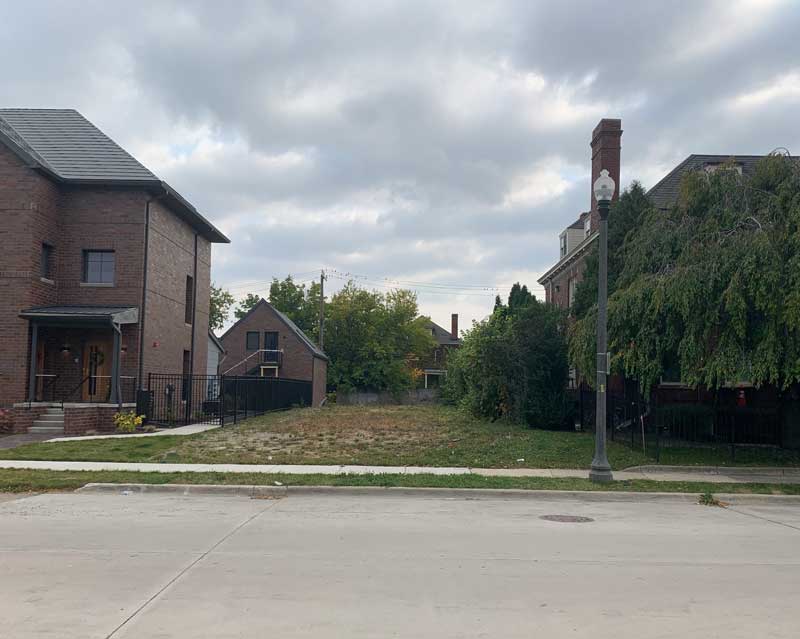
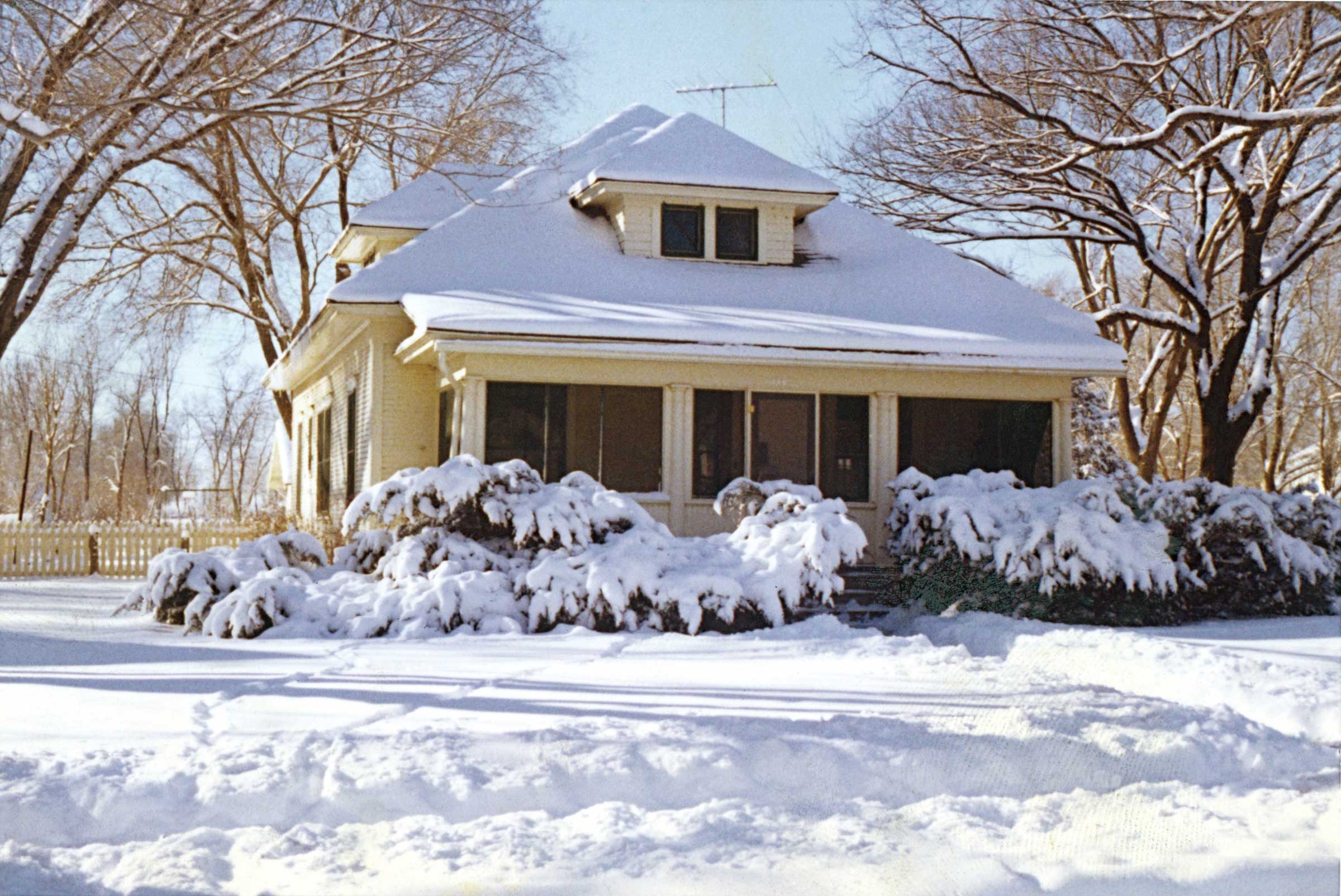
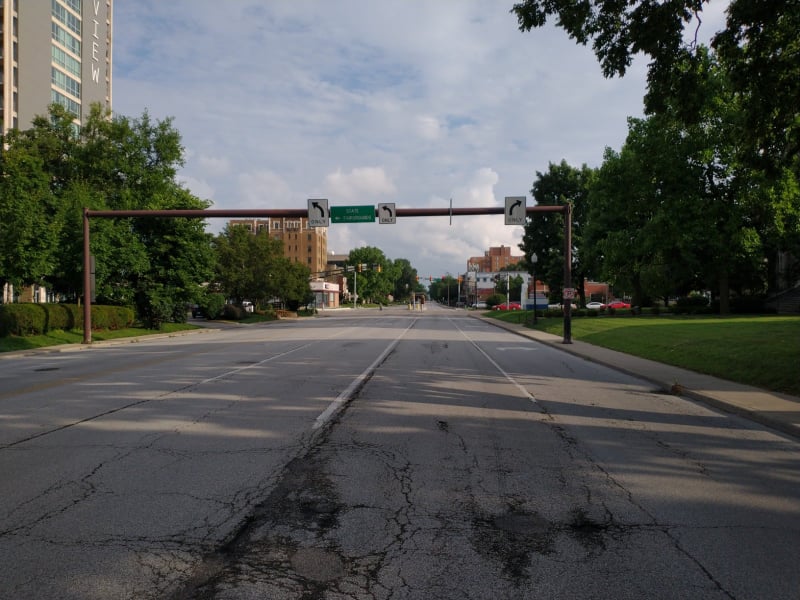
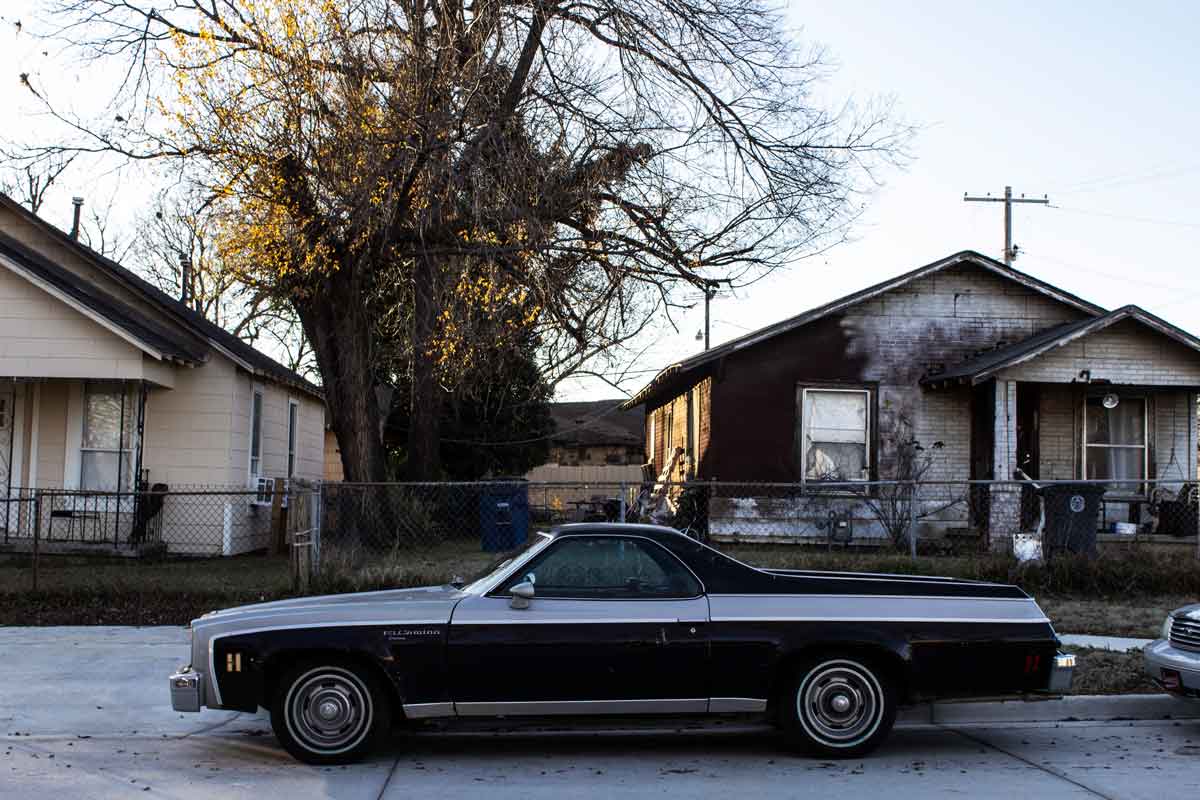
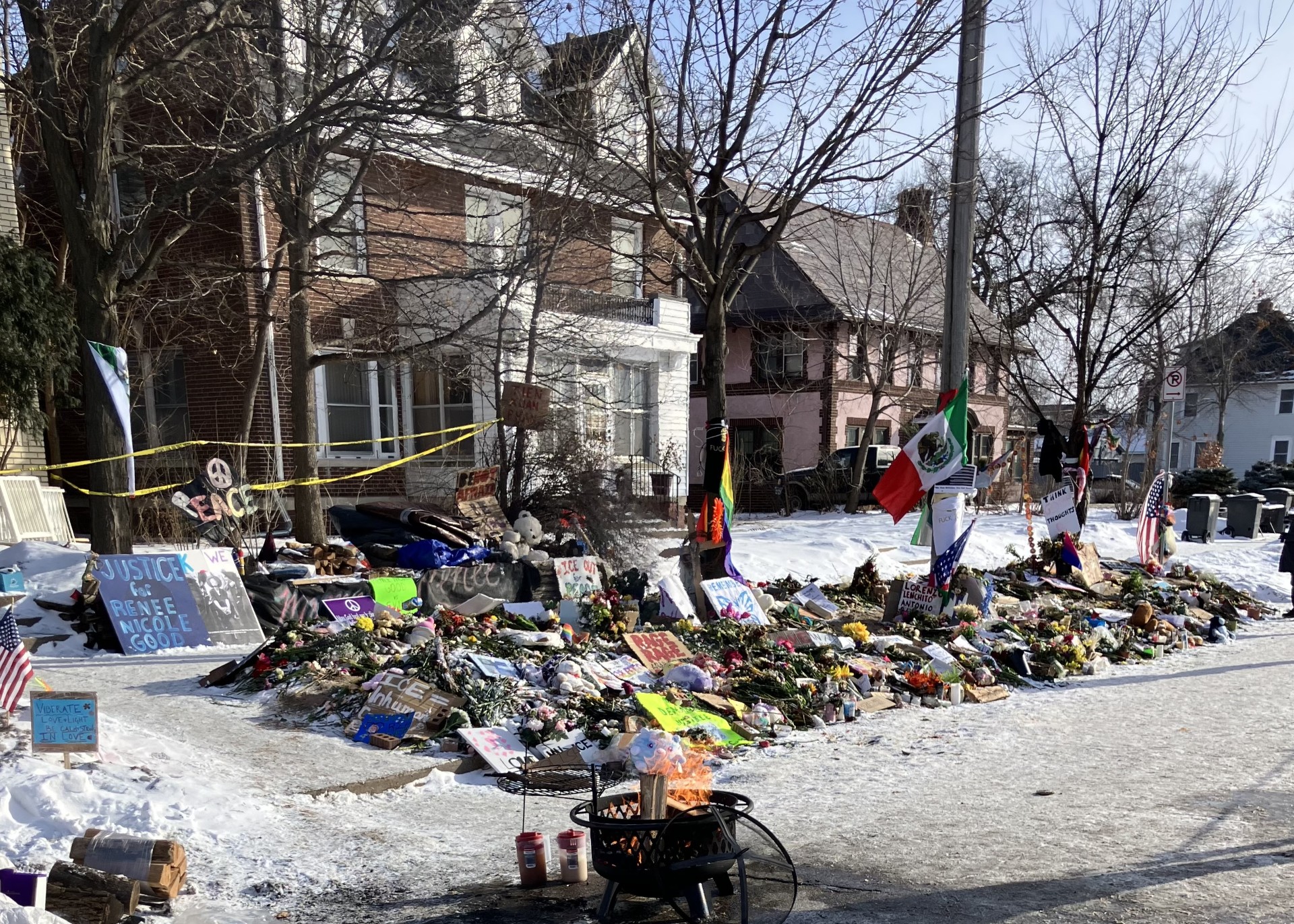
The next morning, an ICE agent murdered Renee Good at 34th and Portland Avenue. Portland Avenue is a southbound one-way street with a wide bike lane and on-street parking, that, at 34th Street, features duplexes, apartments, and single-family houses: domiciles, private residences, homes. The people who live in these homes are White, Native, Asian, Latine, Black, LGBTQ, Christian, Jewish, Muslim. They are poets, visual artists, prose writers, sculptors, musicians, political activists, family members, friends, neighbors.
For many years, I lived in this neighborhood, and I still know people who live there. Three miles east, where I live now, everyone was affected by the aftermath of George Floyd’s death by cop-suffocation on the corner of 38th Street and Chicago Avenue—only a few blocks away from 34th Street and Portland Avenue. Less than two miles from my house is the torched police station, still surrounded by a fence festooned with signs promising a new Democracy Center and mocking graffiti next to the signs. When it burned, I could smell it.
What I understand now is that, like my dad’s Jewish family in Eastern Europe, I live in the Bloodlands. Today, the Twin Cities are occupied by federal agents from Immigration and Customs Enforcement (ICE), the Federal Bureau of Investigation (FBI), and Customs and Border Protection (CBP). All that is missing are checkpoints.
When the news and videos began to circulate, especially the video from the poet and musician Lynette Reini-Grandell, a Portland Avenue resident, we learned a more detailed story about the latest murder event in the Minneapolis Bloodlands. Renee Good’s son is not an orphan, as originally reported. Renee, her wife, Becca, and their dog had just dropped off their son at school and pulled over to check out the commotion caused by ICE vehicles and agents on Portland Avenue.
We also learned that Renee Nicole Macklin Good was a poet. Soon, the link to her award-winning poem, “On Learning to Dissect Fetal Pigs,” was posted everywhere, easily accessible via “Poem-a-Day” from the Academy of American Poets.
Dissecting fetal pigs is a standard assignment for many high school and college biology students. Beyond the title, fetal pigs do not appear in Good’s poem, but they do not have to. The mere words in the title evoke fear, panic, and revulsion. Fetal pigs stink. What’s the point in cutting them to pieces? I can just hear the students at my big suburban high school complaining and clamoring until the assignment was removed from the curriculum. In my biology lab at the Catholic women’s college in St. Paul, we also didn’t dissect fetal pigs—probably because of the fetal implications. Renee Nicole Macklin did it and wrote a poem about it. In her poem, the consonants hiss and pop-pop-pop like gunshots in phrases such as “tercets from cicadas and pentameter from the hairy legs of cockroaches” and “the slick rubber smell of high gloss biology textbook pictures.”
Now, I’m wondering if there’s anything more traif — more unkosher, more unfit for human consumption— than a fetal pig. Certainly, the ICE agents, with their masks and their guns and their light-brown outfits, are law enforcement traif, outnumbering the police forces of Minneapolis and St. Paul combined.
Even so, in the Minneapolis Bloodlands, people are not looking away. We are not moving into our neighbors’ houses or apartments, taking over their businesses, or turning their places of worship into furniture warehouses. We are blowing whistles, holding up signs, marching, protesting, cussing at the masked thugs in ugly light-brown shirts, witnessing and recording and testifying.
On the Sunday morning after Renee Good was murdered, Greta and I stopped at our neighborhood Target—the one that was looted and rebuilt. We were both trying on sunglasses, looking in the mirror and at each other. Greta found a pair she liked, and we turned toward the store’s main aisle toward the check out.
Then, we heard voices, wafting like plumes of pepper spray, saying, “ICE is here. ICE is here.”
A young person in a red Target T-shirt was pushing a cart down that main aisle. “ICE is here. ICE is here. ICE is here,” she said. She was not shouting; she was not raising her voice, but without being alarming, she was speaking at a pitch that got everybody’s attention.
“ICE is here,” I repeated. I thought, “What are they doing here? They’re not coming after me, but they weren’t going after Renee Good the other day, and they shot her in the face. They’re coming after all of us. Who is ICE targeting in our Target?”
Two of the front-end people were patrolling the area between the self-service section and the check-out lanes. Neither one looked panicked nor even disturbed, but they never, ever do. Nearby, an employee huddled with a Somali dad and a few other nonwhite folks.
I said to the Somali dad, “Where are they?”
Was ICE was getting ready to nab somebody, or were they in our Target to grab a coffee at Starbucks before they nabbed somebody in the parking lot, as they did the other day at the Target in Richfield, about six miles away? Was somebody going to get killed?
The dad said, “They’re here.”
In that moment, everybody in the store clicked into action mode. We looked at each other, nodded, and moved to the front of the store.
Ellen Lansky lives in Minneapolis and taught literature, composition, and creative writing at Inver Hills Community College. Her fiction includes Golden Jeep and Suburban Heathens, and her essays on literature and addiction have appeared in a variety of journals and anthologies.
Greta Gaard’s creative and scholarly writing emerges from intersections among ecofeminisms and queer studies. After 35 years in academia, she is completing a creative nonfiction narrative, She UnNames Them: Mindfulness, Ecofeminism, Dementia.

![Mark Twain in Study Window [1903]](https://newterritorymag.com/wp-content/uploads/2025/12/Twain-in-study-window-1903.jpg "Twain in study window 1903")