
B.H. Fairchild
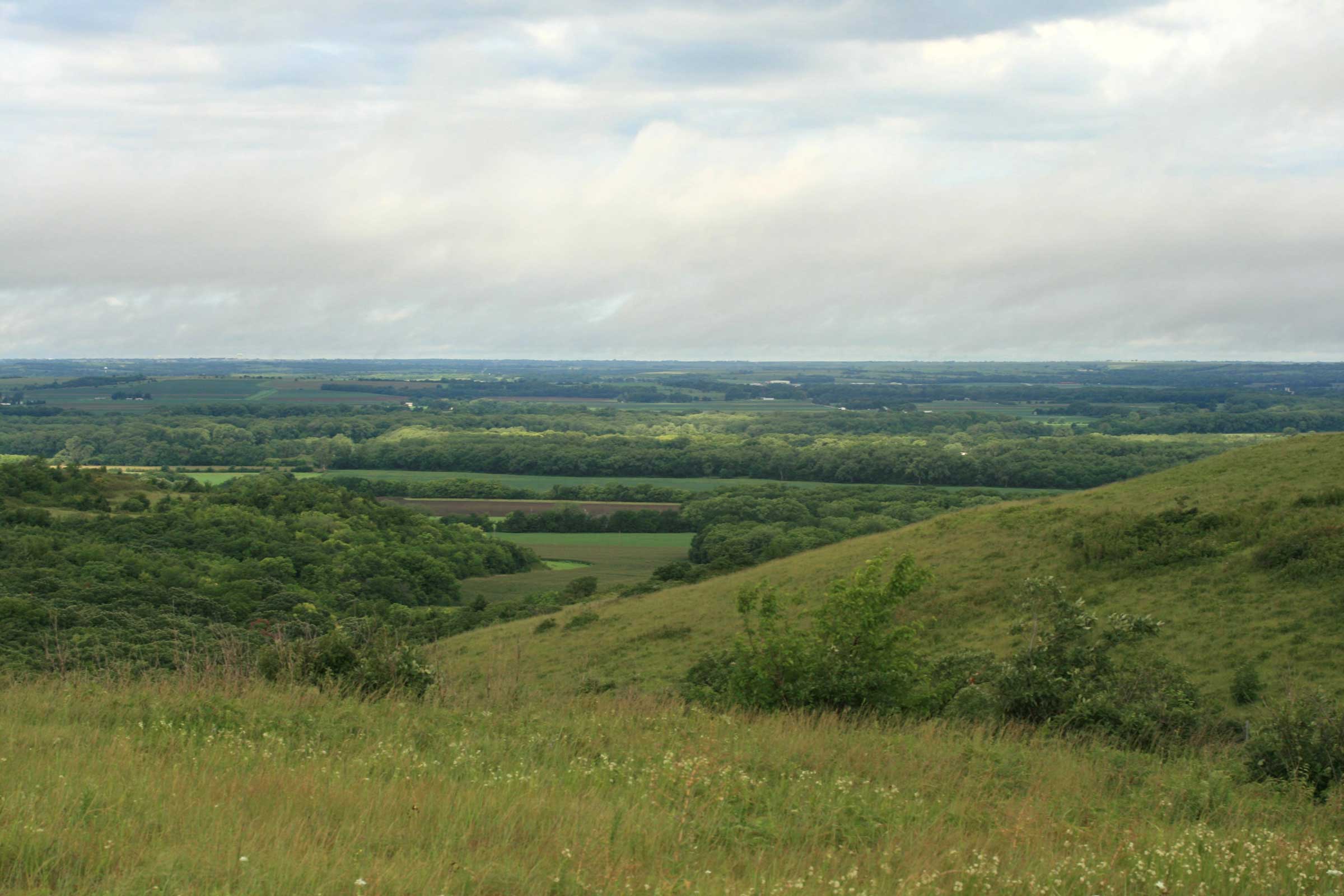
Gypsum Hills
Medicine Lodge, Kansas
By Alex Sandy Primm
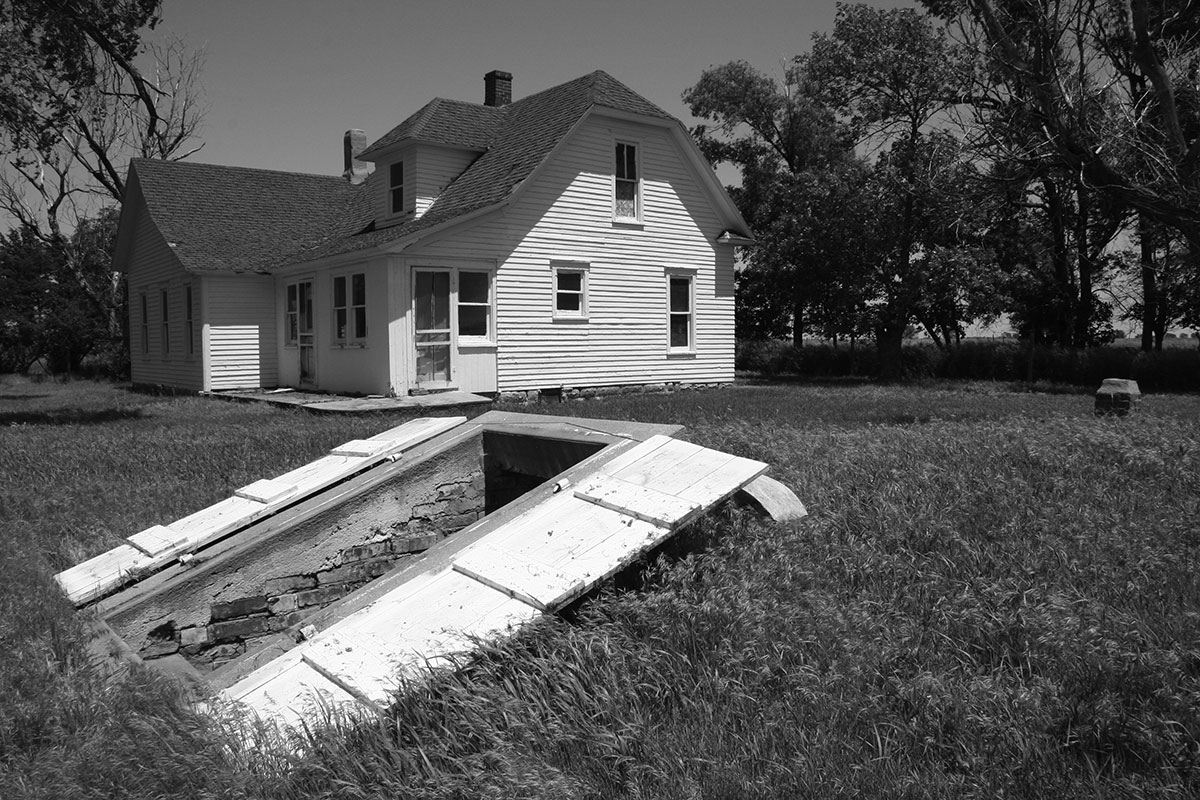
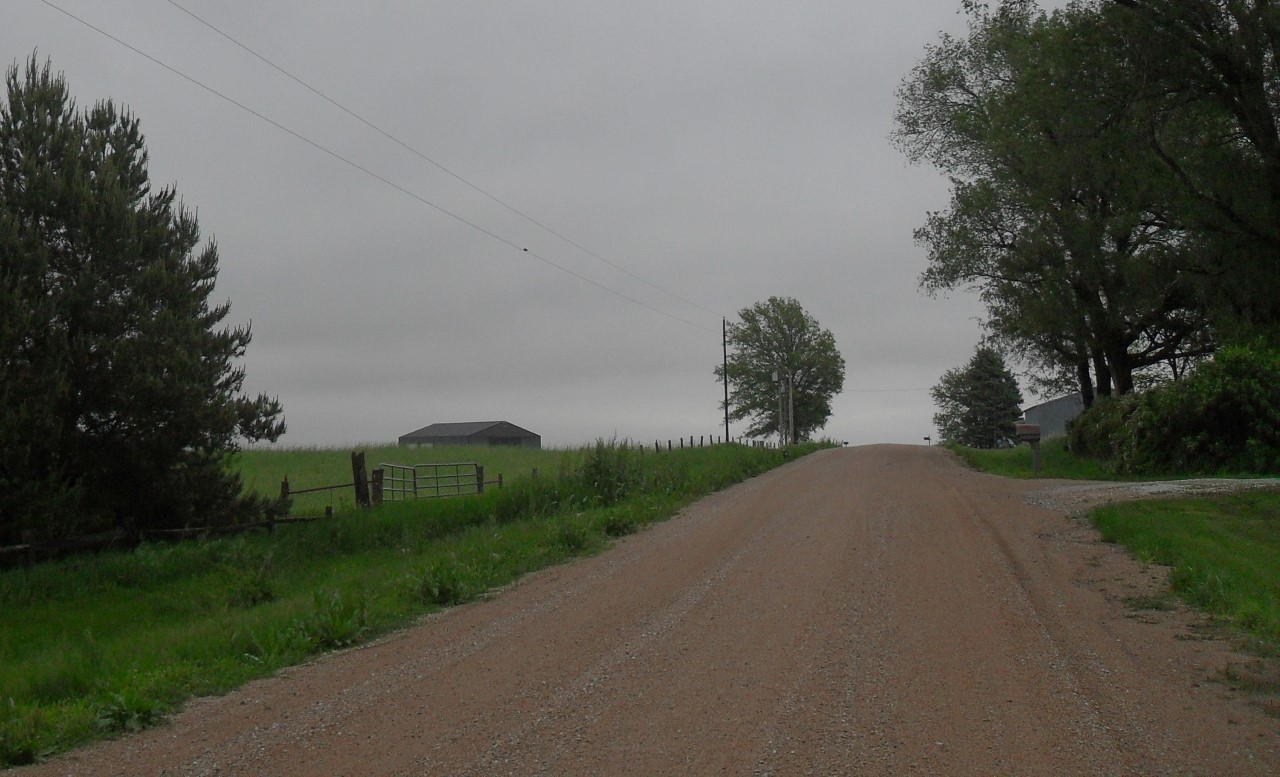
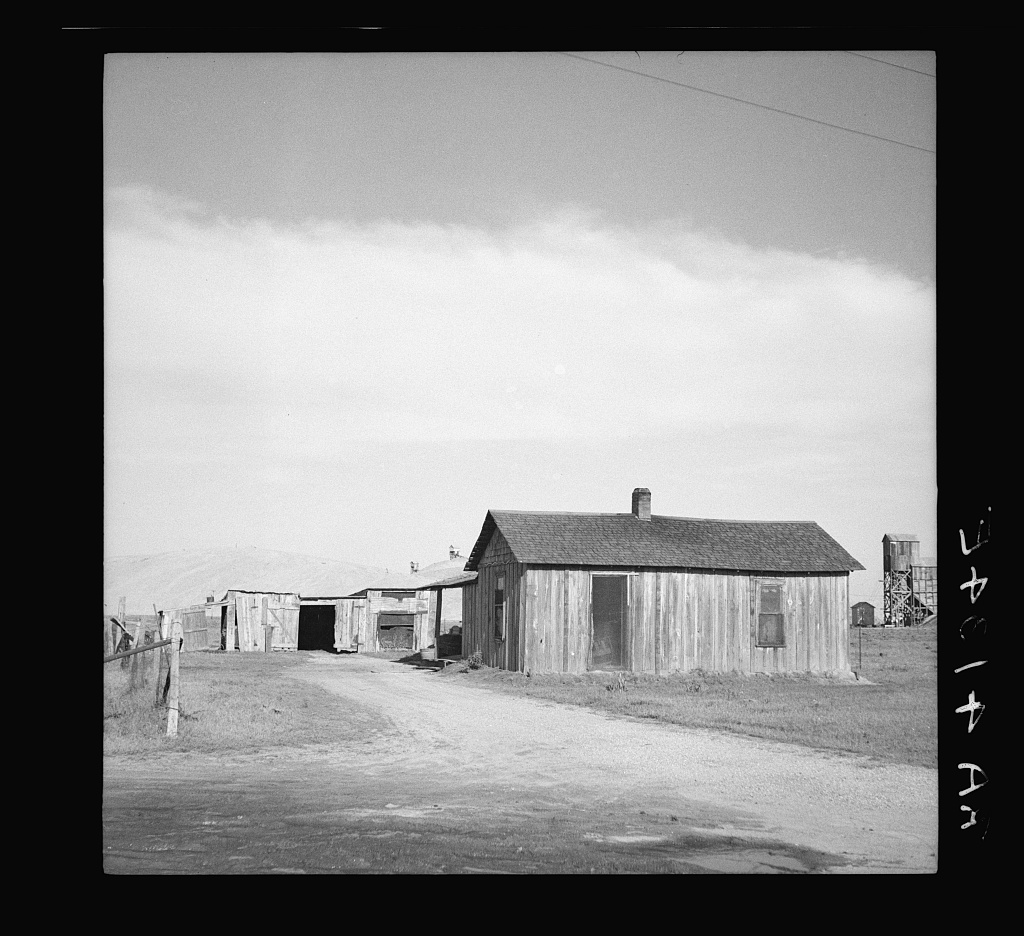
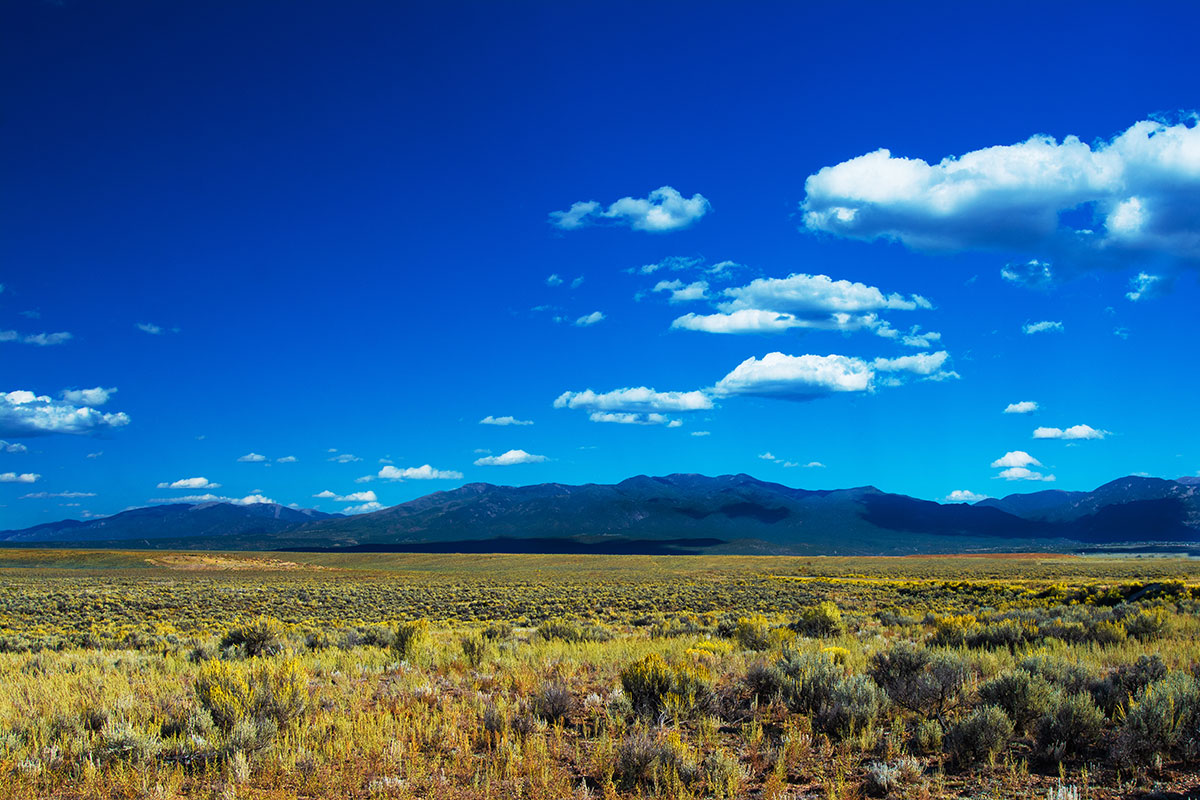
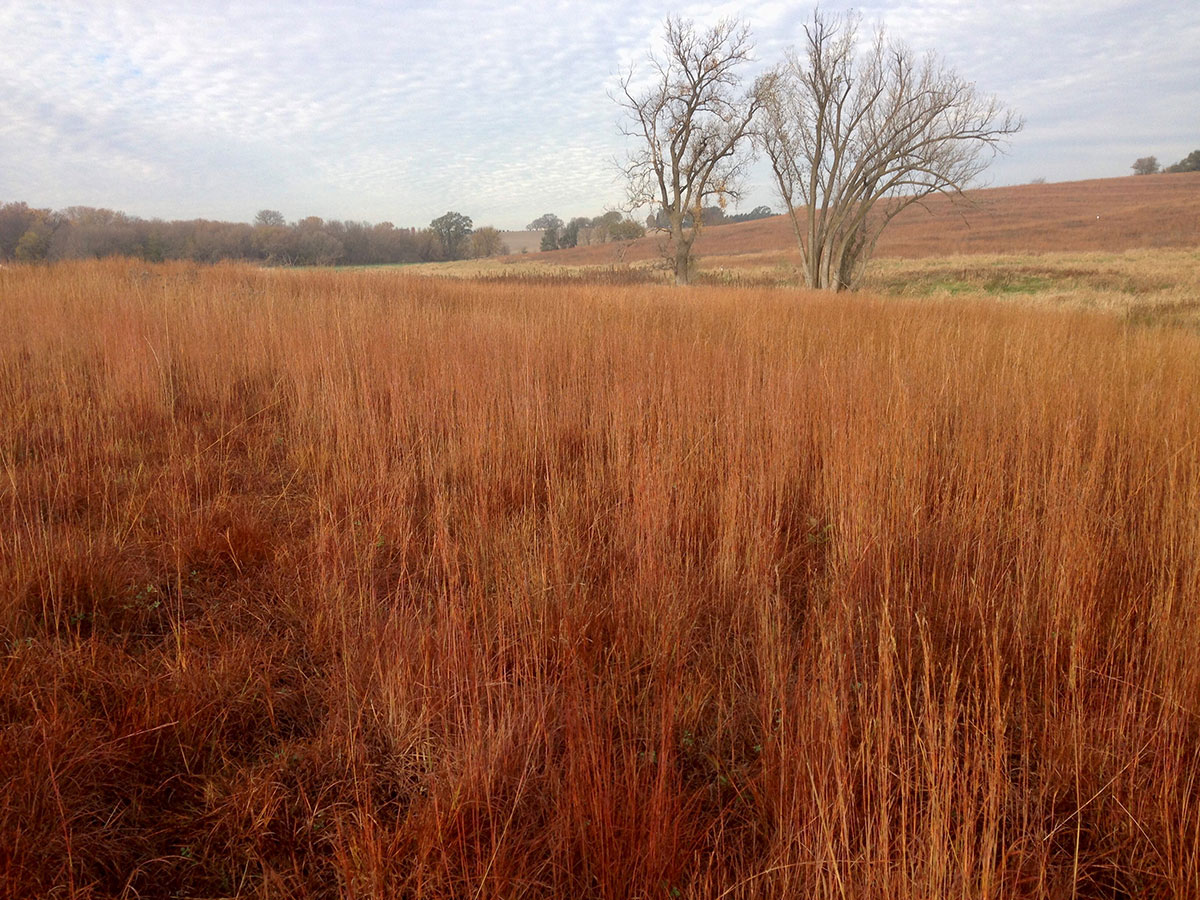
The southern third of Kansas is known for dry land farming, the Great Depression-era Dust Bowl and the Gypsum Hills. I’ve travelled through this No Man’s Land on long drives to see friends from Colorado College or New Mexican pueblos. Or by reading family histories of those who eked out a living while sometimes housed in hand-made dugouts.
This vast region inspires me because it seems so foreign, hostile, yet still nearby for an Ozarker like myself.
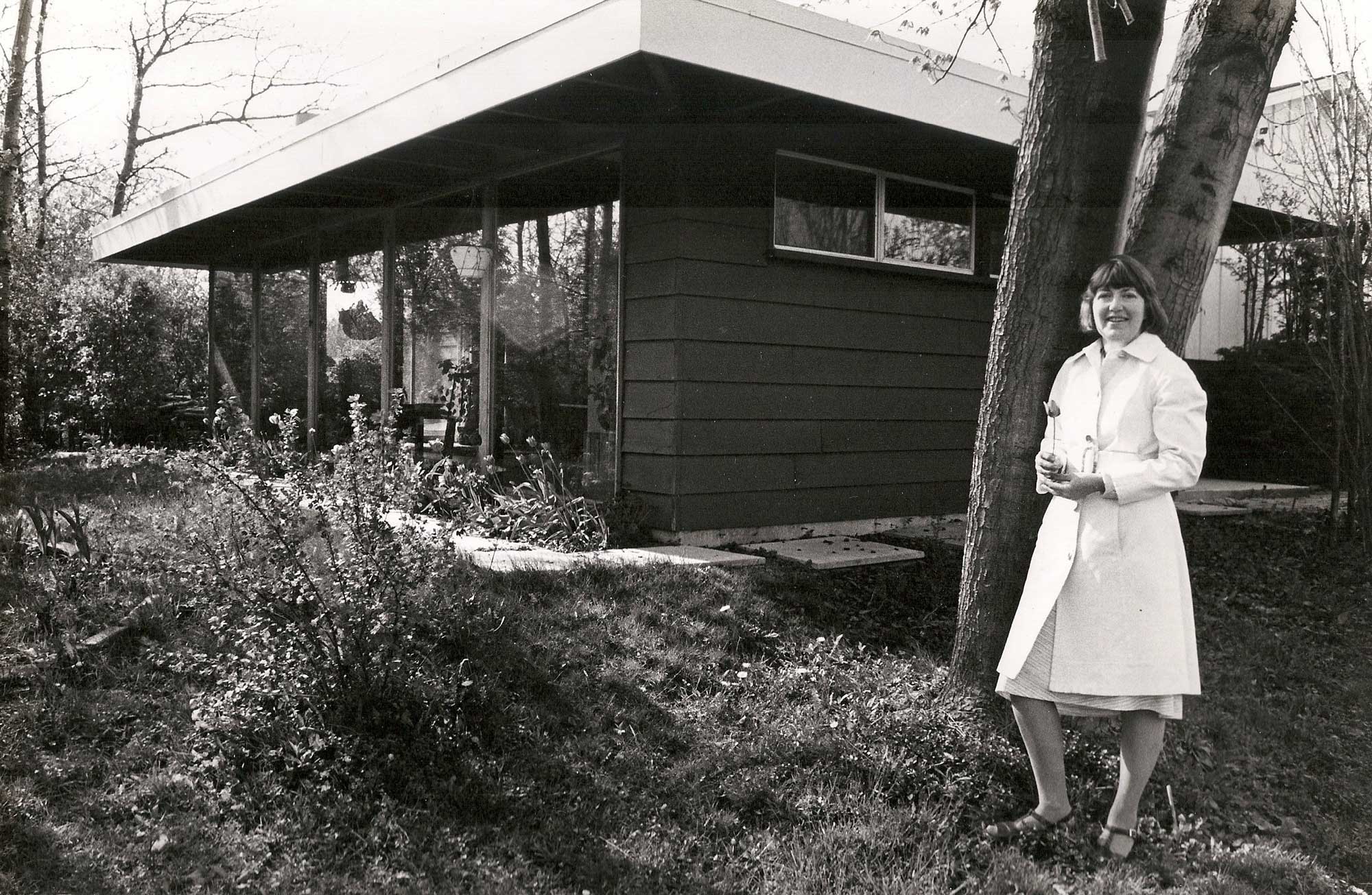
My roommate from college gifted me B.H. Fairchild’s Early Occult Memory Systems of the Lower Midwest (2003), a mythic account that shows how he idolizes this sere landscape. Still his approach is personal. He mainly writes about his family and their work, plus some quirky friends and heroes.
Born in Houston, Texas, in 1942, Fairchild grew up in several lower Midwest small communities where he often worked with his father as a lathe machinist while an undergraduate. His third book of poetry, The Art of the Lathe (1998), won a number of important awards and international publication.
“The Blue Buick,” a 25-page epic that anchors Early Occult Memory Systems of the Lower Midwest, became the title for his collected works. Over 300+ pages, The Blue Buick: New and Selected Poems (2014) contains much of his five previous books and some 30 new poems. I purchased this collection a few years ago at the venerable Prairie Lights Books in Iowa.
The cover of The Blue Buick features a dark blue Mark Rothko painting. Why this tormented New York School painter? The poem “Rothko” begins with what the poet sees while working, presumably as a younger man:
Night shift on Rine #4 with three thousand feet of drill pipe
churning Oklahoma rock, the mud pump’s wheeze and suck,
hammer of warped deck plates beneath my boots as I gaze
from the rig’s north side on treeless, dustbowl No Man’s Land.
The oil business may not be idyllic, but it does share something elemental and gritty with Abstract Expressionism. Some of these poems also reminded me of the pithy photographic portraits in Richard Avedon’s 1985 series In the American West. Fairchild excels in writing about the struggles of working people and their craft, especially those in his father’s machine shop.
Let’s cruise in the blue Buick a little longer. I initially had trouble with this long poem. It rambles on, but parts grab with sincere simplicity:
… Roy believed that he was
on the edge of something, something rare, something more,
even, than Paris, though to my mind it was just
the northern edge of the Oklahoma Panhandle,
known as No Man’s Land in the days when horse thieves
and rustlers called it home, and what Roy found there
I still try to understand. Absence. Mystery.
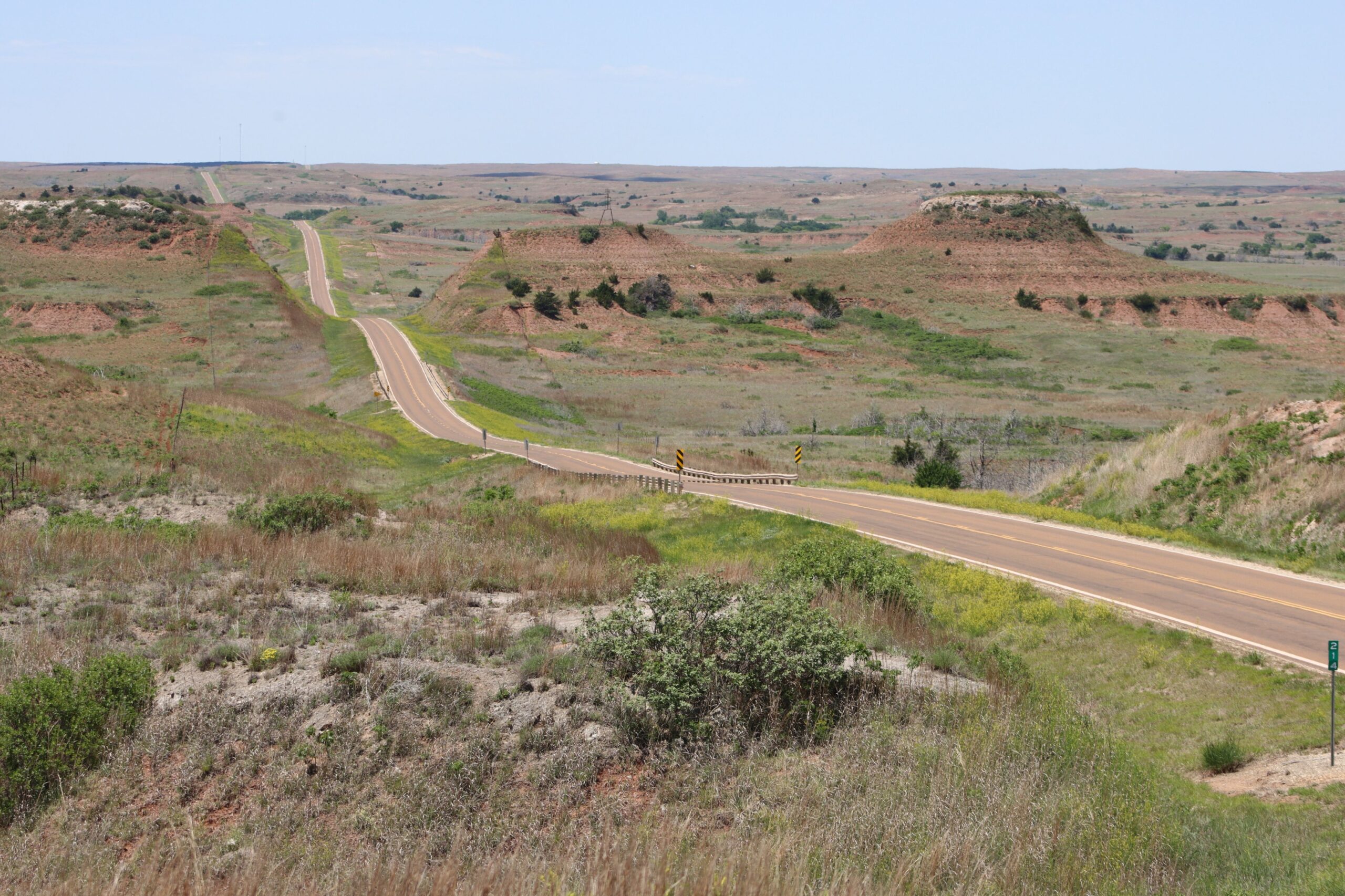
The poet obviously loves this arid outback. Reading this triggered few flashbacks to my own epic road trips. Like Fairchild, I love these endless two-lane highways that seem to go on forever with hardly anything green for miles. This next passage knocked me out. It describes an aspect of Kansas towns from not so long ago:
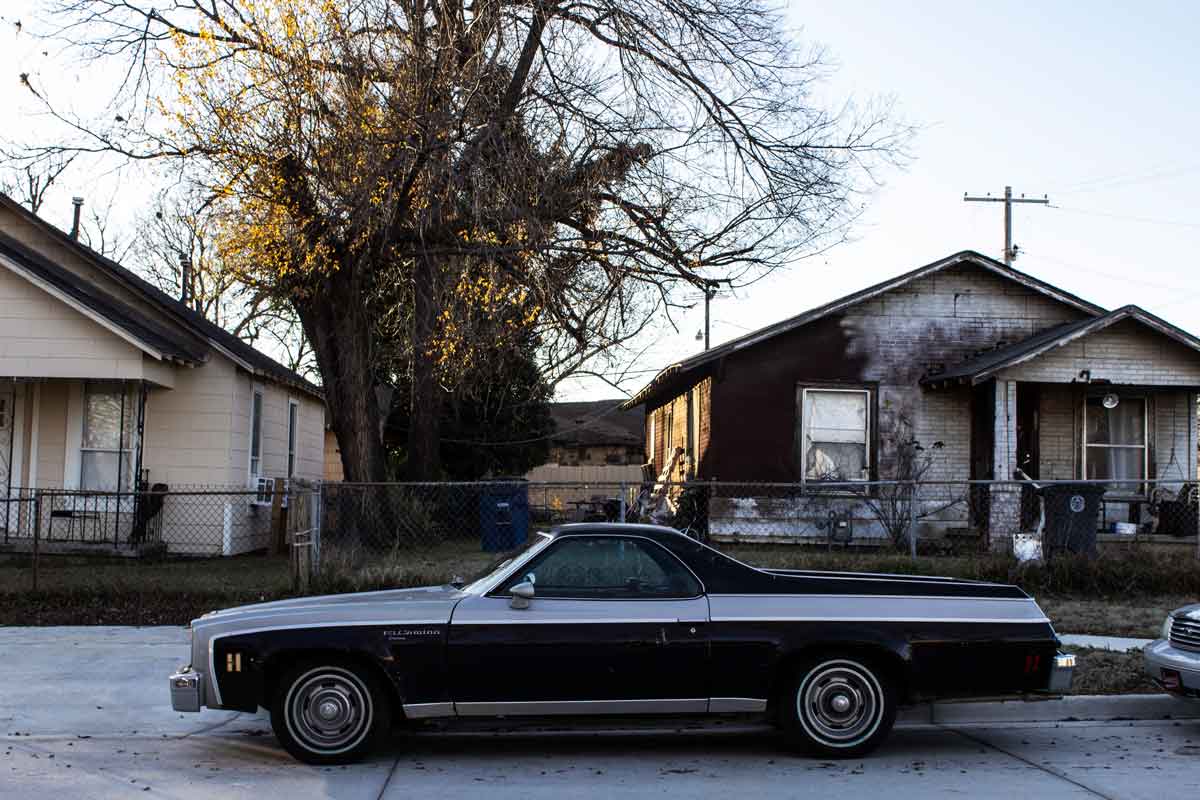
About one thing, though, I can be exact: that Buick,
baby blue with a white ragtop, double-wide
white sidewalls and about two tons of chrome grillwork
navigating Main Street all fat-assed, gas-guzzling,
and anti-environmental as they come. A dream,
I thought, a big blue dream that summer driving back
from Amarillo with my girl nuzzling against me
and Roy and Maria in the backseat singing
Crazy or I Fall to Pieces into the stars,
and sometimes on a familiar stretch of blacktop
with no curves or dips and a moon to light the way,
the cathedral dome of night sky turned upside-down
in the blue laminations of the hood, I would
turn off the headlights for a while and fly miles
and miles from earth, more alone and yet not alone
than I have ever been, and just as we reached home,
crossing No Man’s Land, the rim of the world would begin
to blaze, and with the rising sun we would drift slowly
back to earth, back to Kansas.
Do kids still drag main? Where I live in a biggish Ozark town, young motorcycle riders thunder up and down major drags to see if they can rev enough to echo off tallish buildings. City kids have it rough in finding thrills. I loved driving on gravel roads on full moon summer nights with just the car’s parking lights to show others a wild child was on the loose. It felt like another world when grown-over fields would vibrate with fireflies flashing, whippoorwills singing and the moon dancing.
All Fairchild’s work requires open-minded cogitation, offering lots of protein that may take a while to digest.
His work reminds me of one particular road trip my wife Cathy and I took coming back to the Ozarks across blue highways from eastern Colorado. We didn’t have a firm plan of where we’d spend the night, only knew we wanted to avoid I-70 and the fleets of semi-trucks roaring across Kansas.
We weren’t in a rush. Cathy had a new iPad, one of the first releases, which she figured out how to log onto the Internet as we drove. That’s how she found a locally owned and operated B&B in a former church in Sharon Springs, Kansas, just across the Colorado border. It turned out to be perfect, and the town too. A relaxing place for evening strolls while appreciating the tidy community.
At breakfast the next morning a group of Spanish oil workers ate quietly with us, the only other guests, in the former church basement. We remained subdued, sleepy and silent as if preparing to enter our separate worlds of work and travel. Sitting with these hard-edged roustabouts recalls for me the end of Fairchild’s poem “Rave On”:
and so, after vespers, I sat across the table
from men who had not surrendered to the world,
and one of them looked at me and looked into me,
and I am telling you there was a fire in his head
Alex Sandy Primm worked 40 years in the Ozarks as a reporter, hay hauler and oral historian. Ozark Voices: Oral Histories from the Heartland (2022) explores regional lore. It has been recorded as an audiobook for the blind and is available from the Library of Congress.
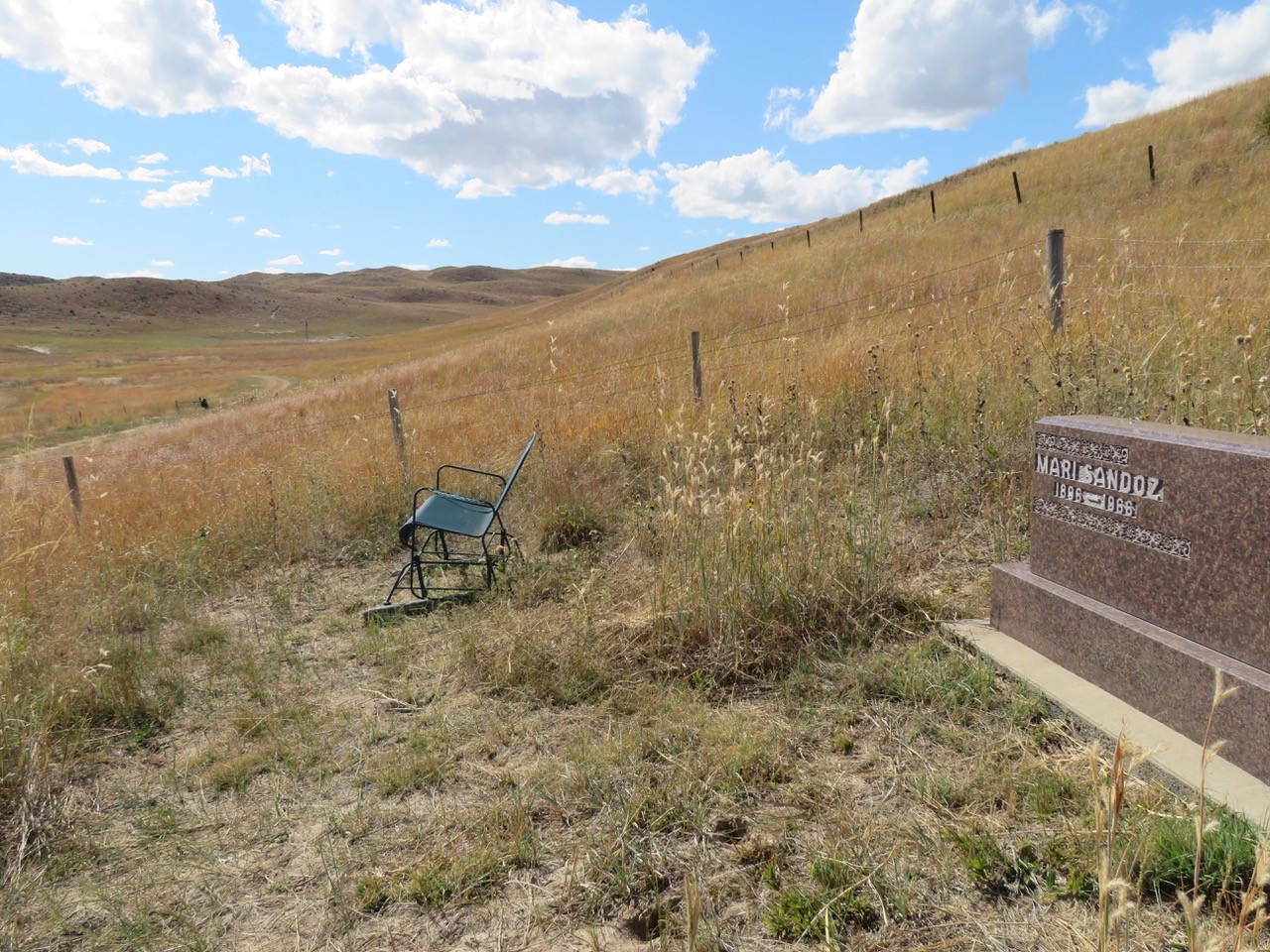
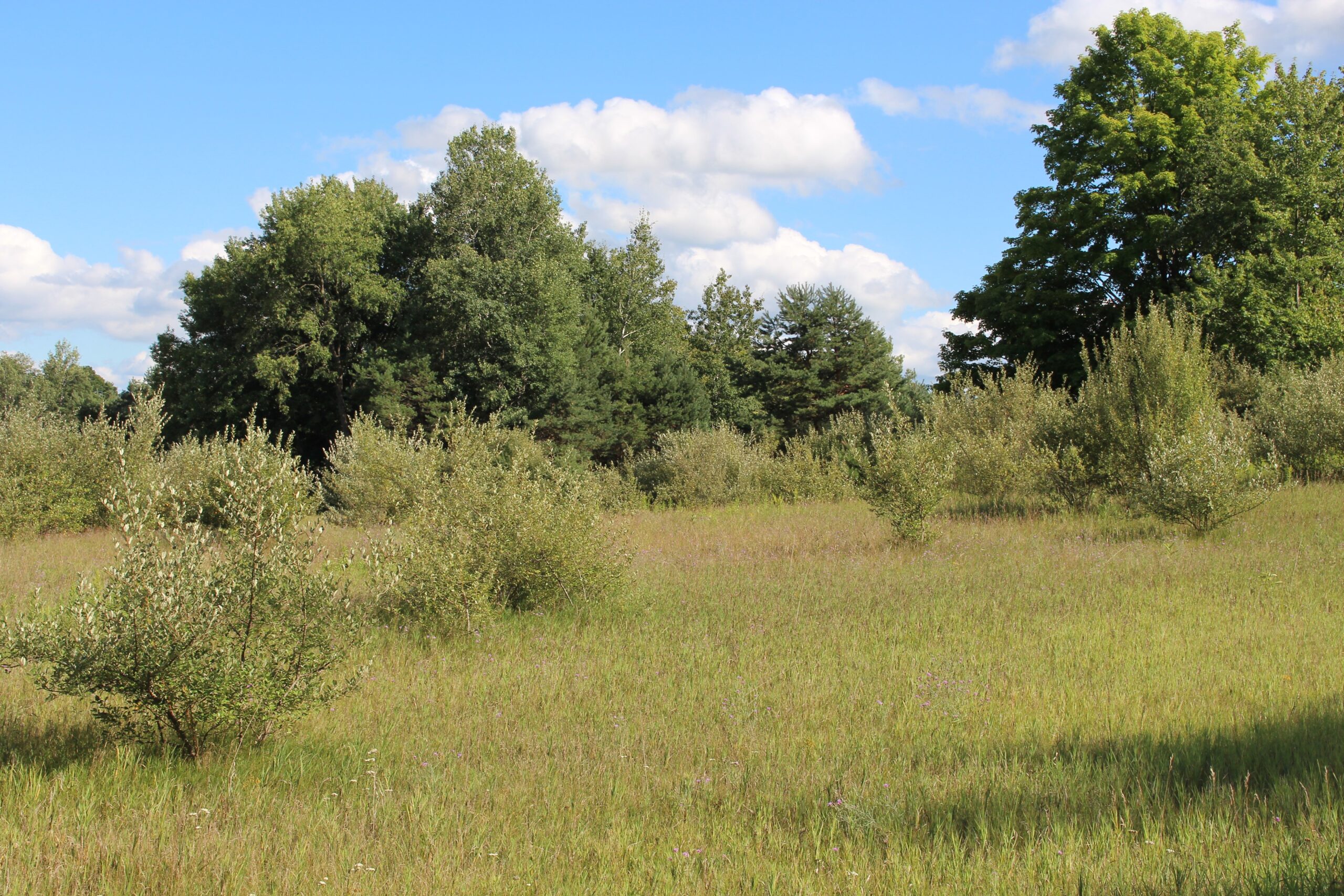
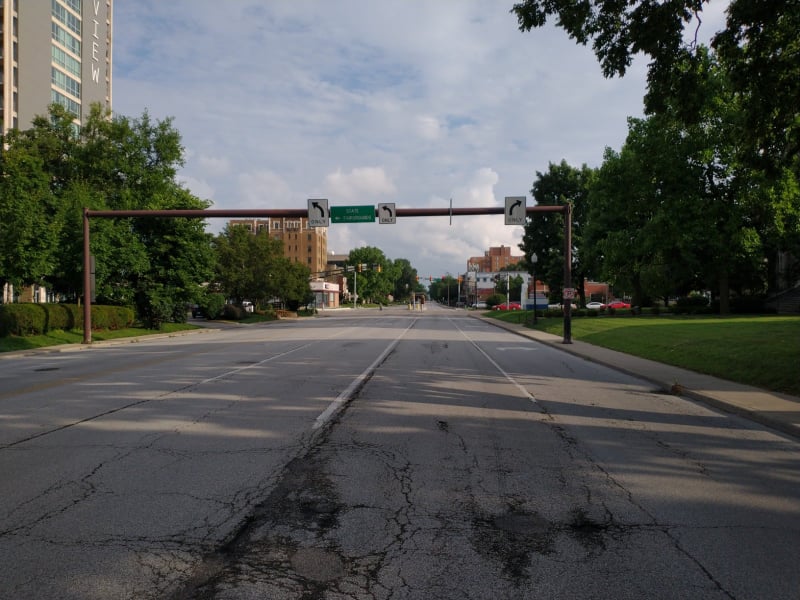
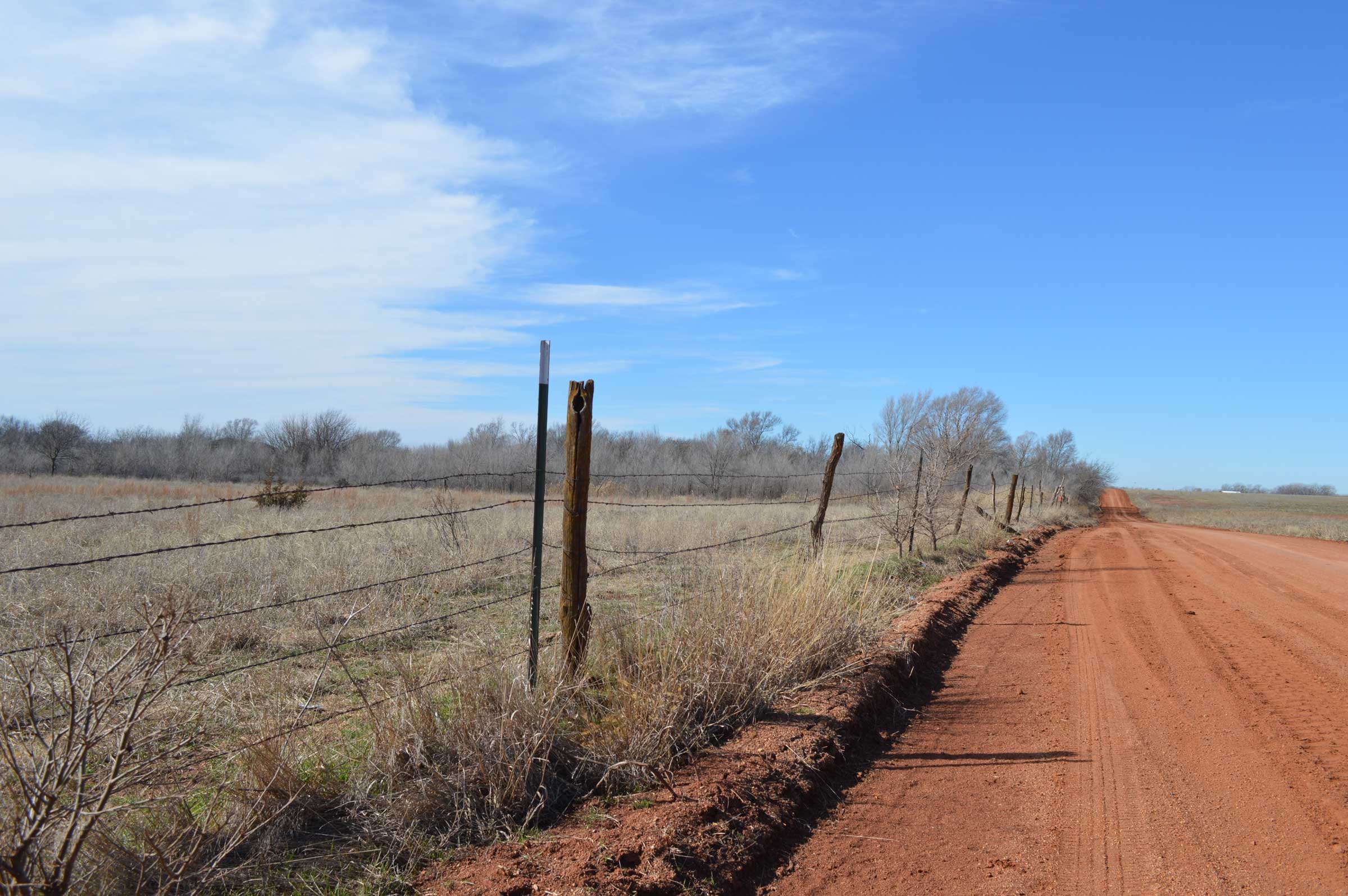
“US Route 160 traversing the Red Hills of Barber County, Kansas, facing west,” courtesy of Wikimedia Commons user Abenneth, shared under the Creative Commons Attribution-Share Alike 4.0 International license.

![Mark Twain in Study Window [1903]](https://newterritorymag.com/wp-content/uploads/2025/12/Twain-in-study-window-1903.jpg "Twain in study window 1903")