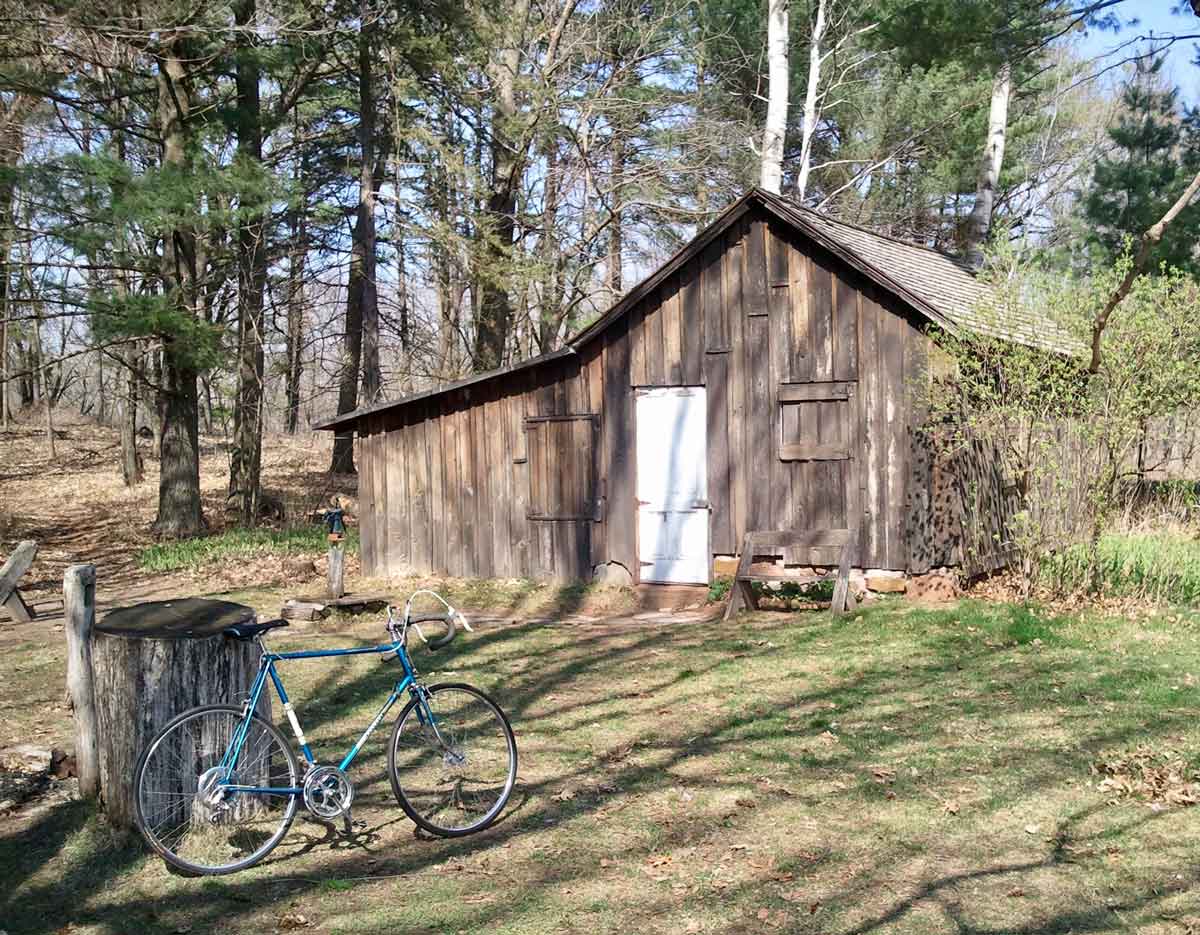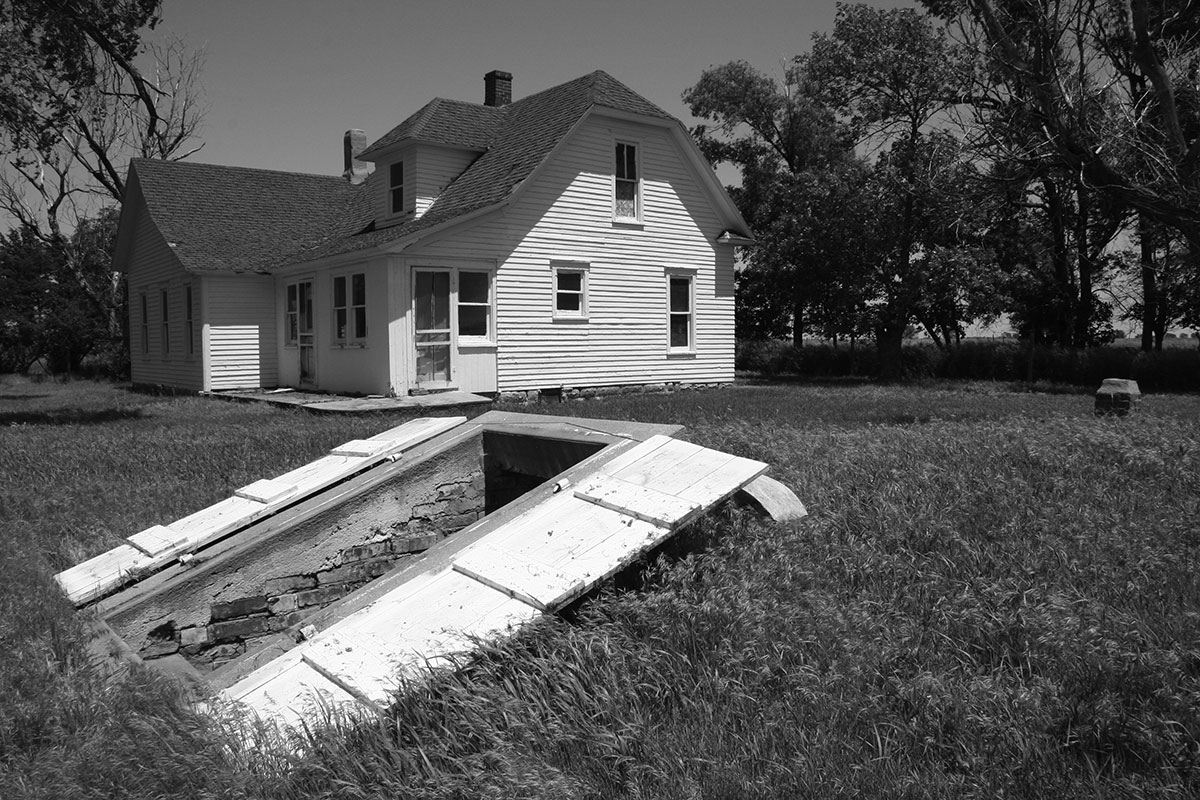

Justin Hamm
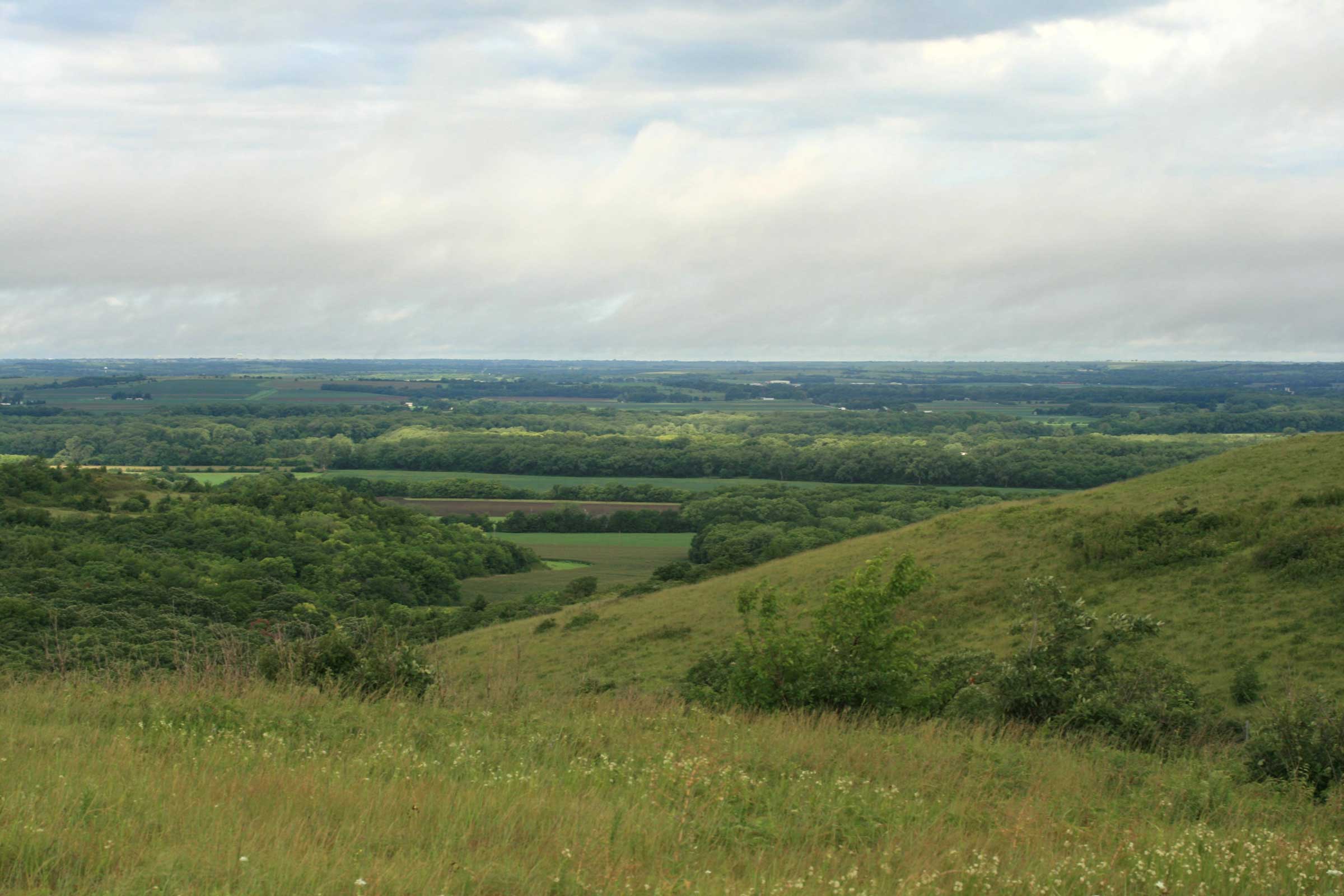
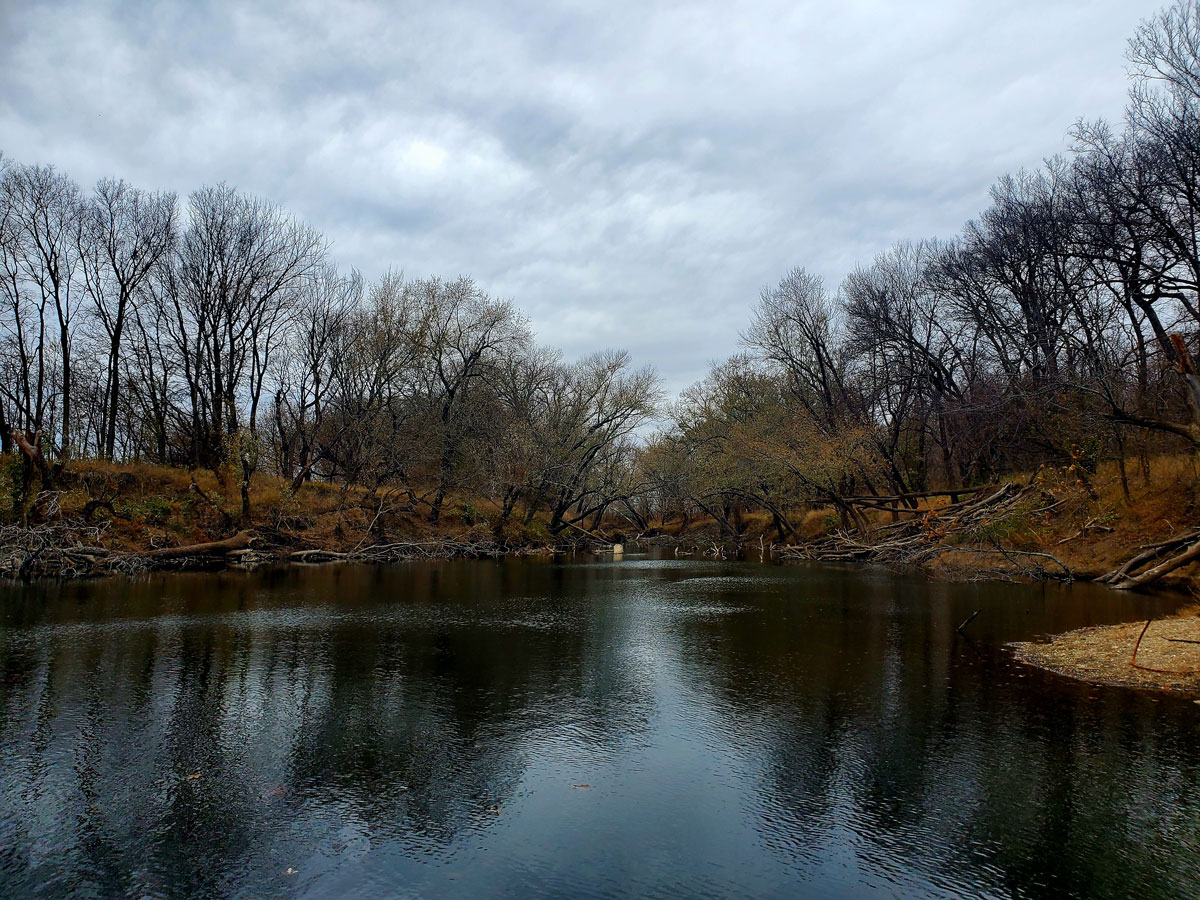
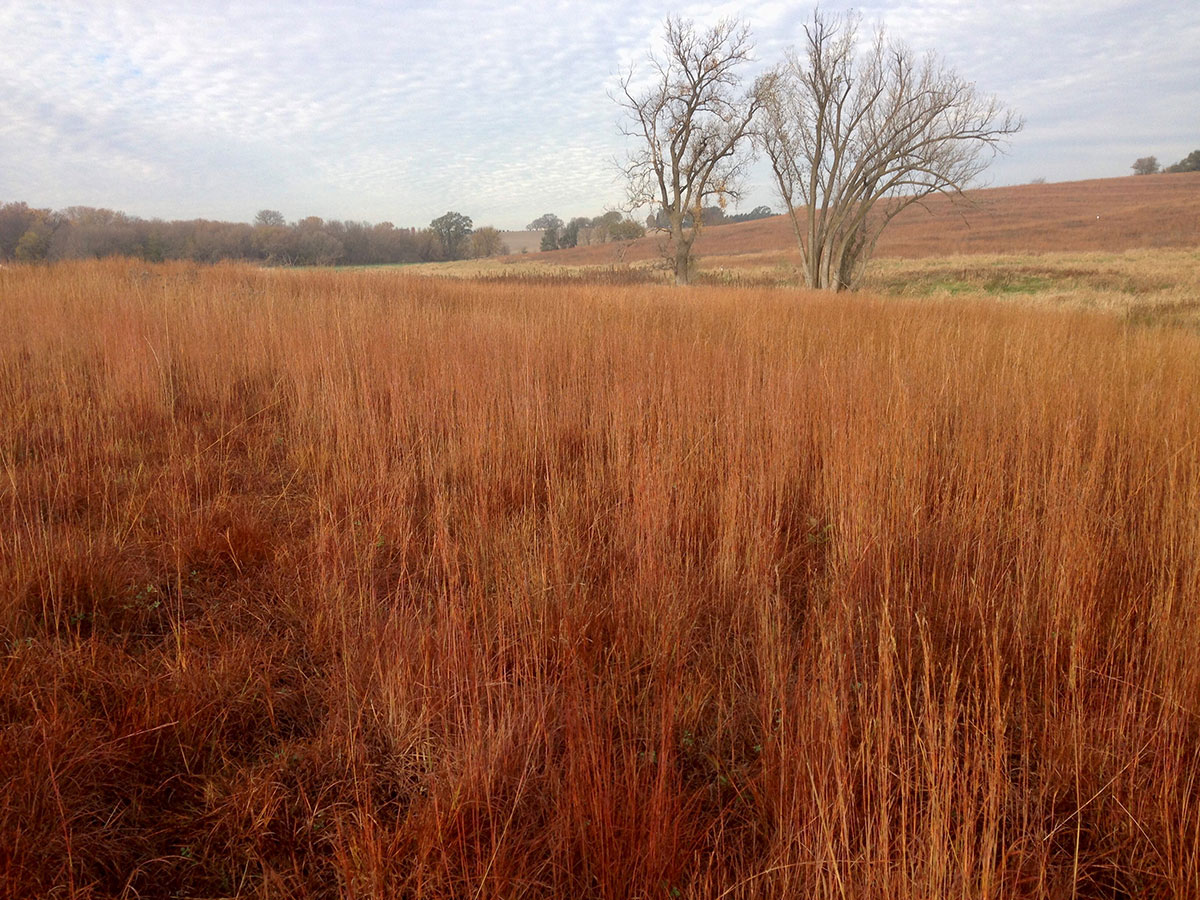
Whetstone Creek Conservation Area
Callaway County, Missouri
By Tom Darin Liskey
The plainspoken Midwestern majesty of Justin Hamm’s poetry helped me realize that even though I had seen the world, I’d never really seen my hometown.
The day after I graduated from college, I jumped on a plane to Venezuela. I carried just barely enough cash to make a start, copies of Moby-Dick, Twice-Told Tales, and The Stranger in my carry-on, and a head full of dreams about becoming a writer.
I was more than glad to let Missouri — and my troubled childhood — recede in the rearview mirror.
In the folly of youth, I believed that living abroad, unfettering my identity from a region that could never decide if it was Southern or Midwestern, would be the crucible for becoming a writer.
I spent the better part of a decade bouncing around Latin America, chasing headlines for a handful of news agencies.
My career allowed me to see London, Paris, Madrid, and Lisbon. Yet whatever visions I had of becoming a novelist — even a bargain-basement Faulkner — eroded in the realities of deadlines, mortgages, and medical insurance.
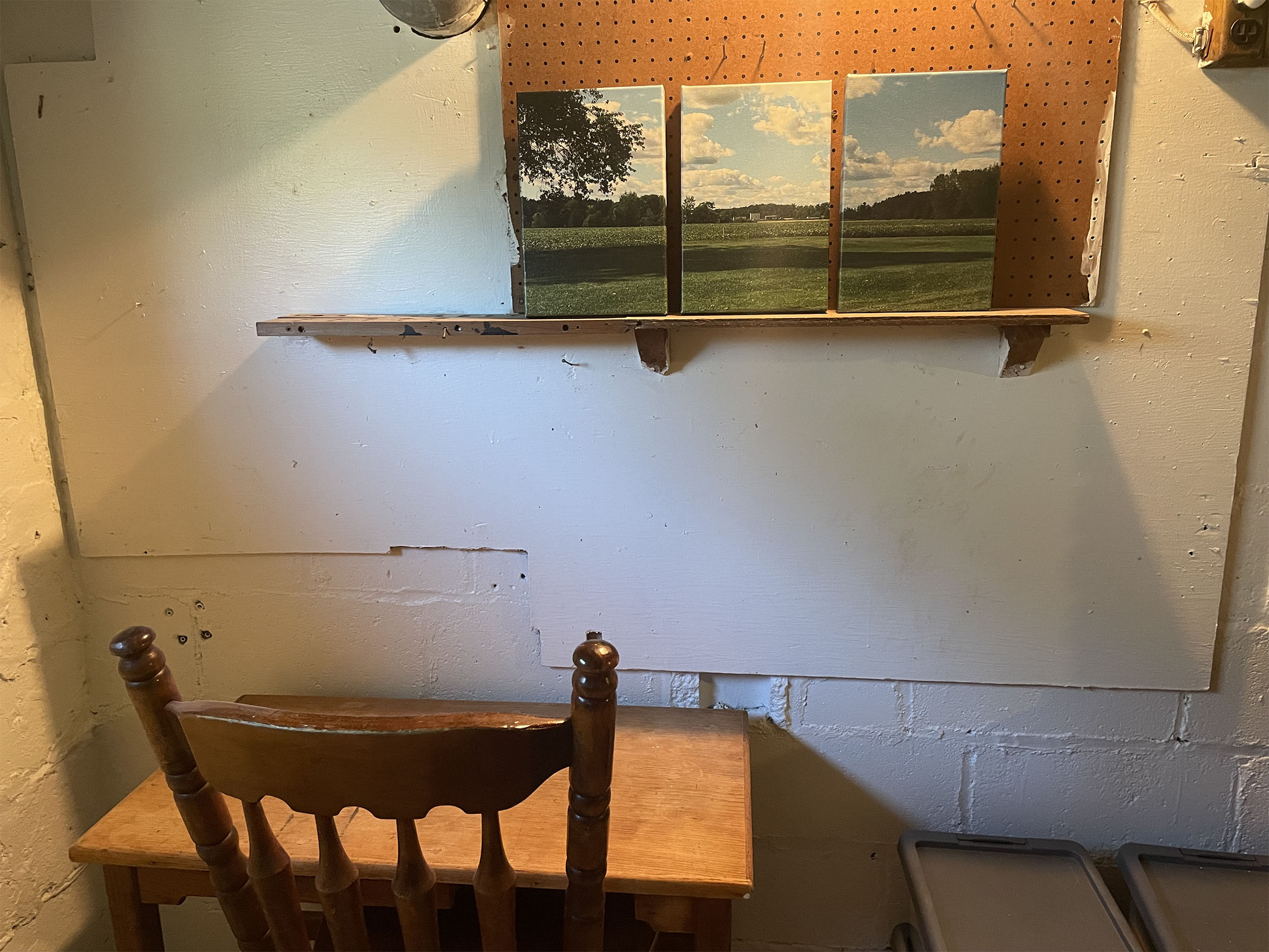
I don’t recall the exact moment, but somehow Justin and I connected in the strange ecosystem of social media, through the educator’s tintype-inspired photography of Missouri farmland. This was long before he was named the Show Me State’s poet laureate in 2025.
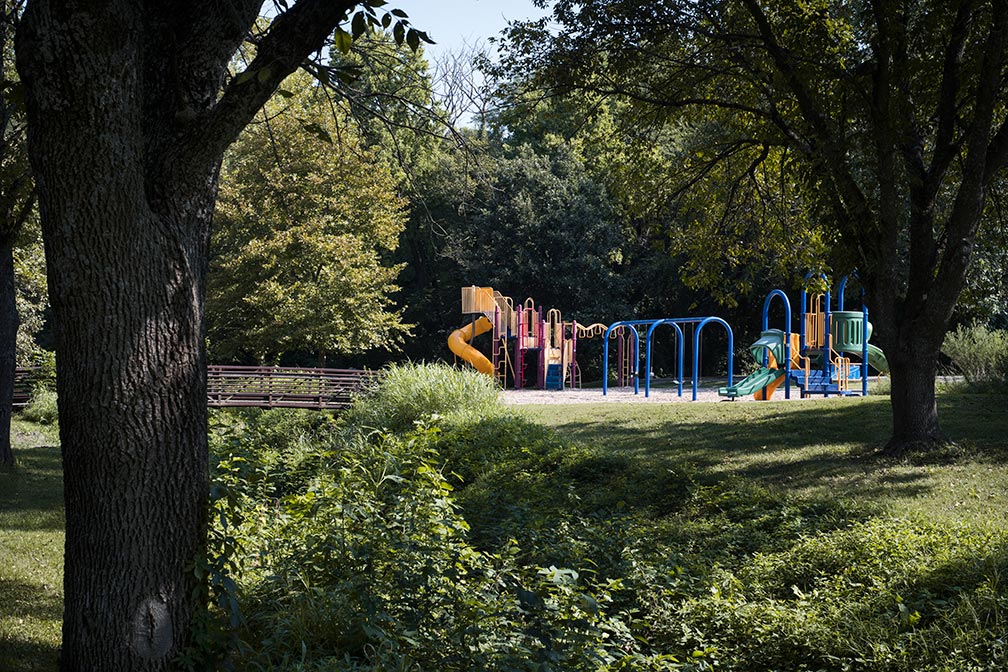
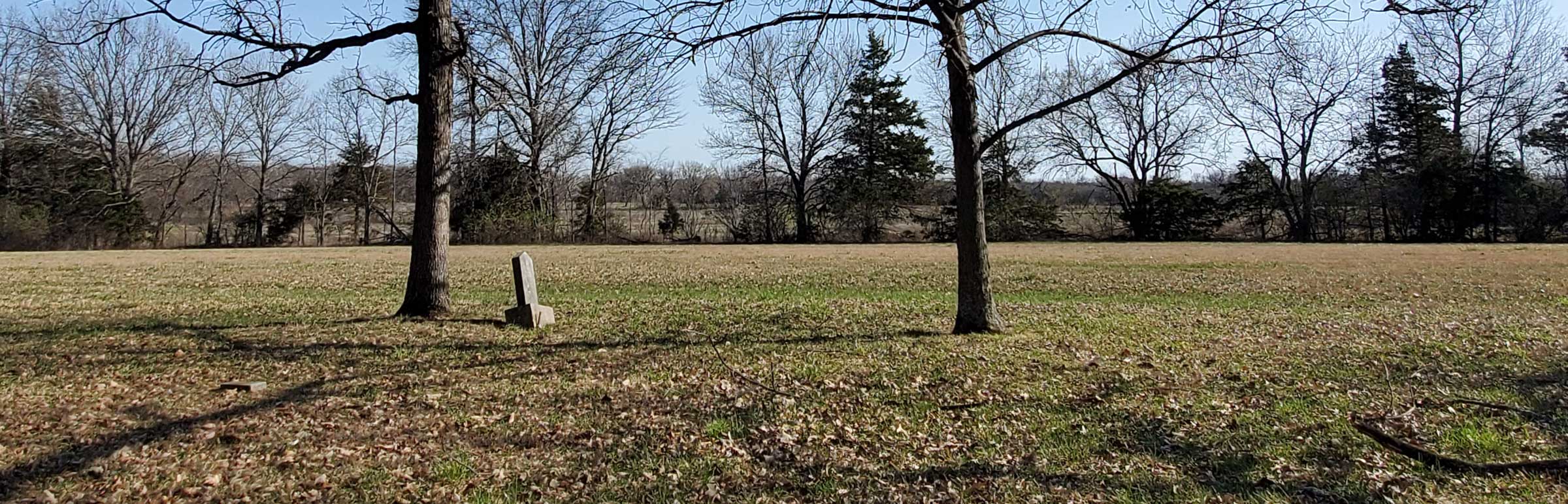
A couple of years after the COVID-19 epidemic subsided, I made a rare trip back to Missouri. My youngest son and I drove out to meet Justin and one of his daughters near his home base in Mexico, Missouri. After coffee at a mom-and-pop joint off the highway, we headed to the Whetstone Creek Conservation Area in Callaway County.
Even though we had never met face to face, I could tell the land was special to Justin.
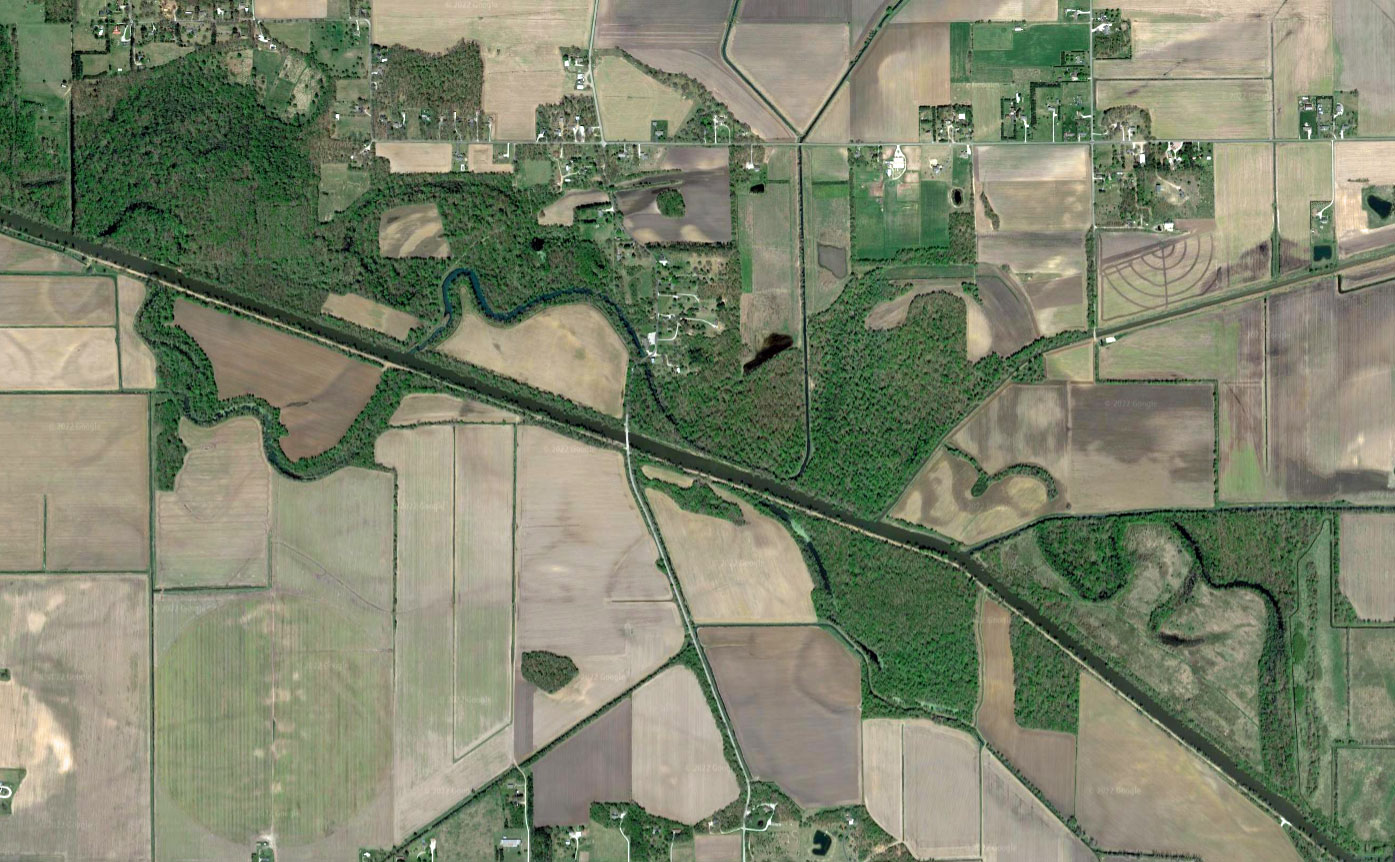
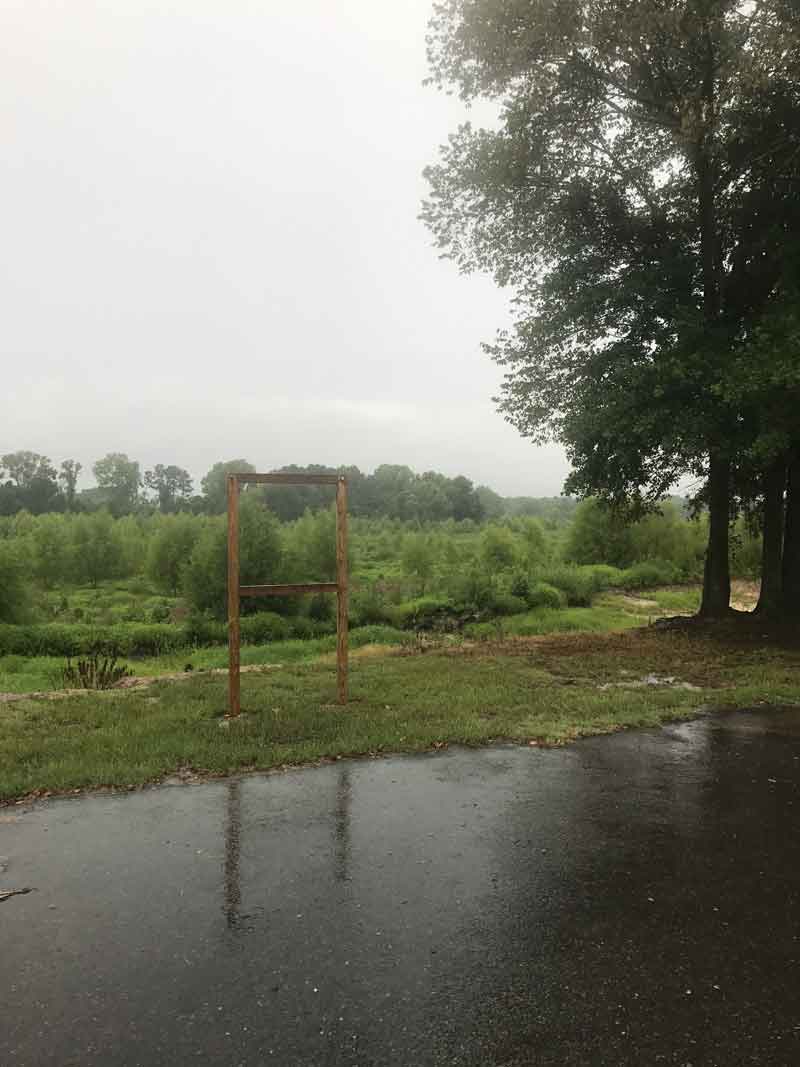
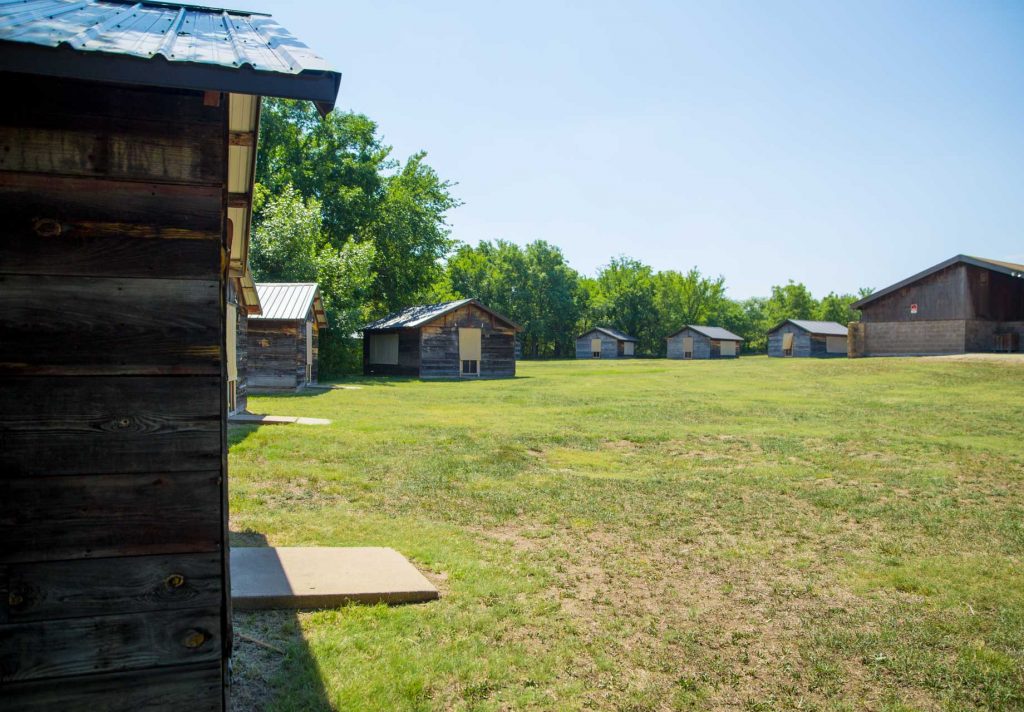
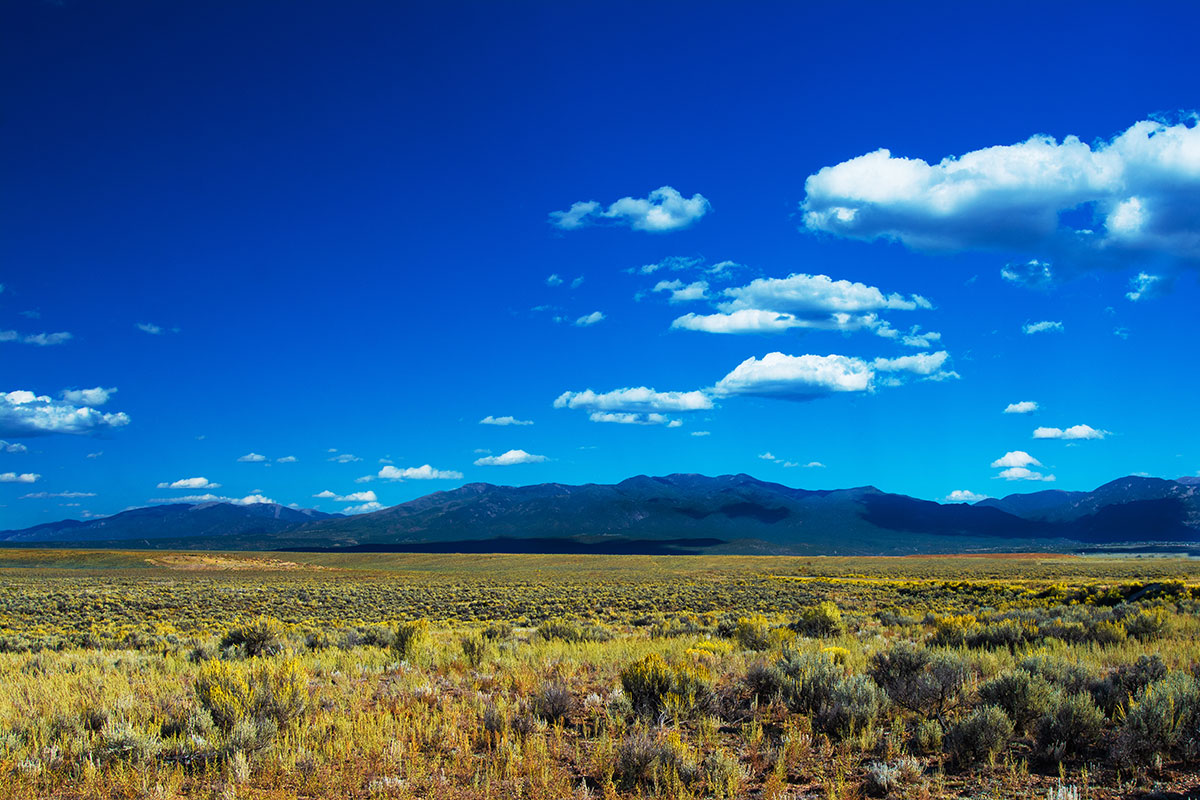
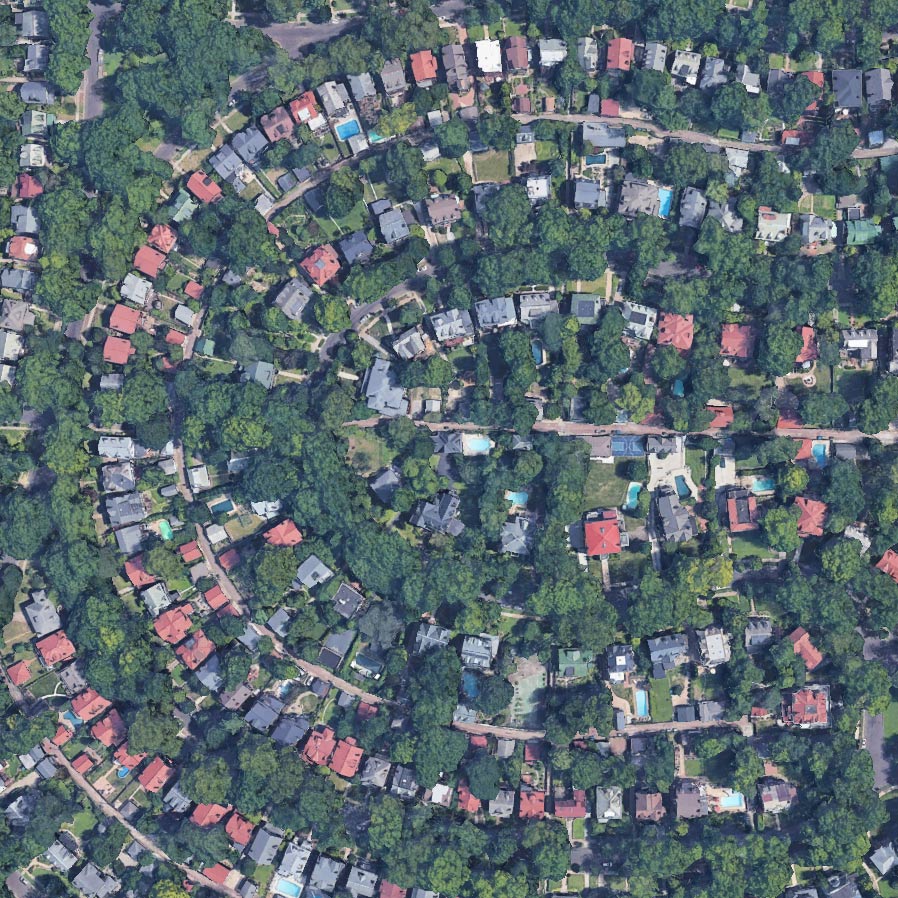
Purchased by the Missouri Department of Conservation in the late ’70s, the 5,147-acre tract forms an irregular polygon. On a map, the reserve’s jagged boundaries look like something drawn on a child’s Etch A Sketch.
Nestled in commodity-driven farmland, the reserve was carved out of dwindling prairie and savanna north of the Missouri River. Conservation land surrounds the eponymous creek, which
likely took its name from Native peoples hunting along its banks for whetstones to sharpen their tools.
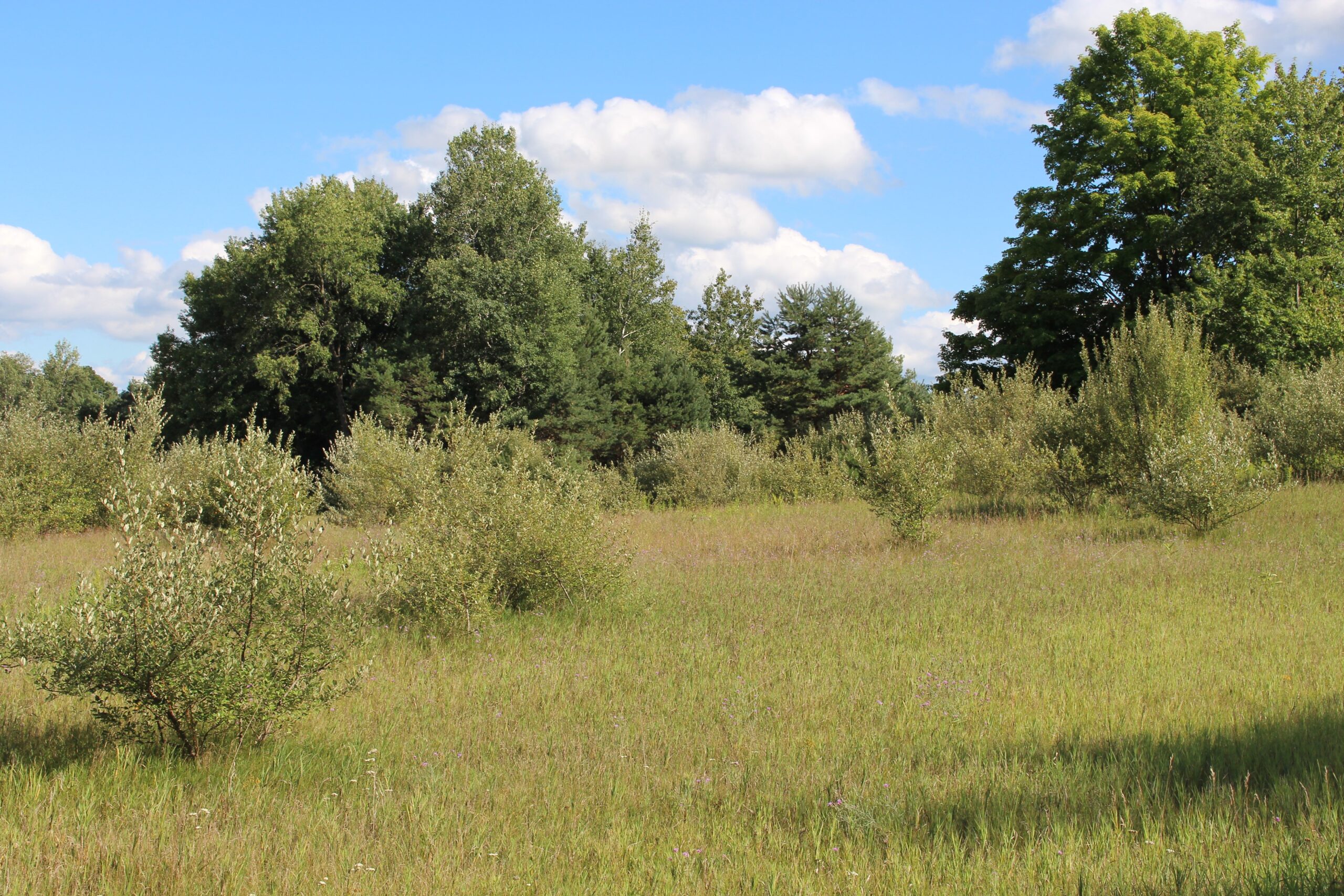
Tallgrass prairie and scattered trees once defined the horizon. Today the remnant of that loamy Missouri tapestry is bounded by farms, homesteads, burn units, and the old farm routes that run toward Jefferson City.
Whetstone Creek still winds through rolling upland because of sustained conservation work. Quail and rabbits remain prevalent. If you wait long enough, you’ll spy red-tailed hawks perched in tall trees and deer moving through the grasses.
And every once in a while, two fathers meeting for the first time…
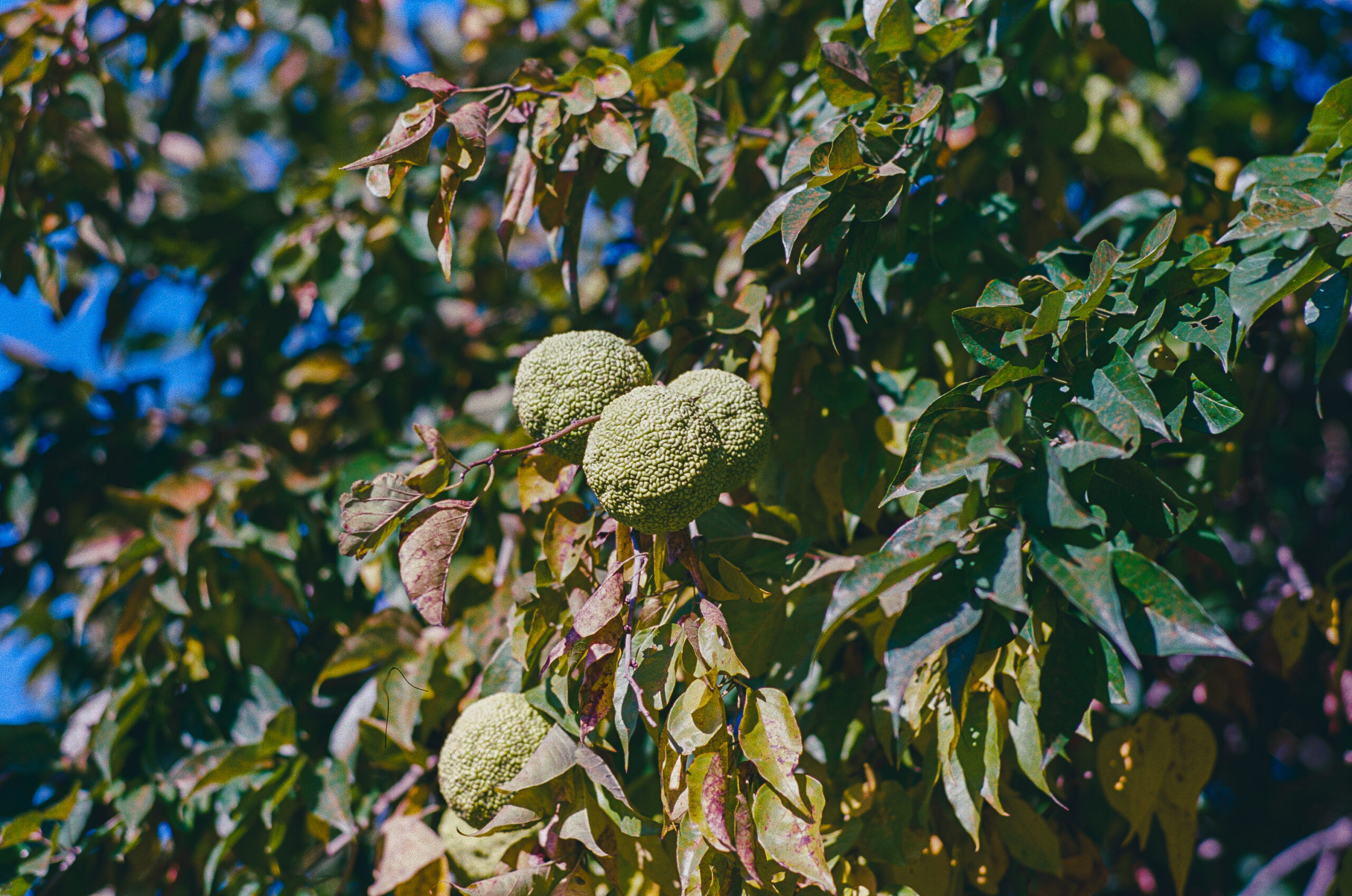
That Missouri morning was cool enough for a jacket, with October sunlight brightening the foliage into Kodachrome. With our youngest kids in tow, we tramped through dewy grass to a grove of wild Osage orange trees. We fell into an easy conversation about family, writing, religion, and photography while the kids, bored by our rambling, ran off to play.
Late-season prairie grass appeared burnished in the sunlight, with a light wind tussling big bluestem with its turkey-foot seed heads. Farther out, the landscape shifted into Indian grass and switchgrass, with patches of goldenrod turning bronze. The hard winter was close.
Standing there next to Justin, I remembered a trip to Portage des Sioux — the departure point on the Missouri River where Catholic missionaries once began their trek onto the High Plains.
I suspect my mother knew I had no desire to return to Missouri after I left for college, but she wanted me to see a spot not far from the place my father called his favorite spot on God’s green earth.
That trip mattered in ways I didn’t understand at the time. But it helps explain why Hamm’s “A Moment in Kansas” hit me so hard decades later:
the man in the car
on the rural route
turns his head
for just a moment
and wonders if
he has ever made
his father proud.
That last line went straight to my heart. Would my dad be proud of me — of the man I tried to become?
The question has always haunted me.
Coming to fatherhood later than most, I became a helicopter dad. While Justin and I were talking, I heard a splash. My first thought was that my youngest son had fallen into one of the ponds.
Having seen the fragility of life — first in childhood, then as a journalist in harder parts of Latin America — I know how quickly things can go wrong.
Like the speaker of Hamm’s “Worried Playground Daddy’s Blues,” my mind can jump to the worst:
and inside my middle-aged brain a movie
plays: the pop-art radiance of ambulance lights,
then the cold eye of a weary doctor who rubs
the bridge of his nose and glances back
at the darkly cloaked hospital chaplain
before clearing his throat to speak.
I was wrong.
He and Justin’s daughter were throwing Osage oranges the size of small grenades into a pond bordered by tall prairie grass.
Sunlight flicked across the water, rippling out each time the prickly green fruit splashed into the pond. The kids laughed and talked like old friends.
Justin and I stood with our arms crossed at the edge of a narrow grove of Osage orange trees, two dads keeping an eye on our kids.
Watching them near the lip of the pond, life felt good.
Where I once saw Missouri as a bleeding geography of loss, thinking of my son and his siblings back in St. Charles with their extended family, I felt like I had finally come home, and I had a glimpse into what fatherhood meant to me.
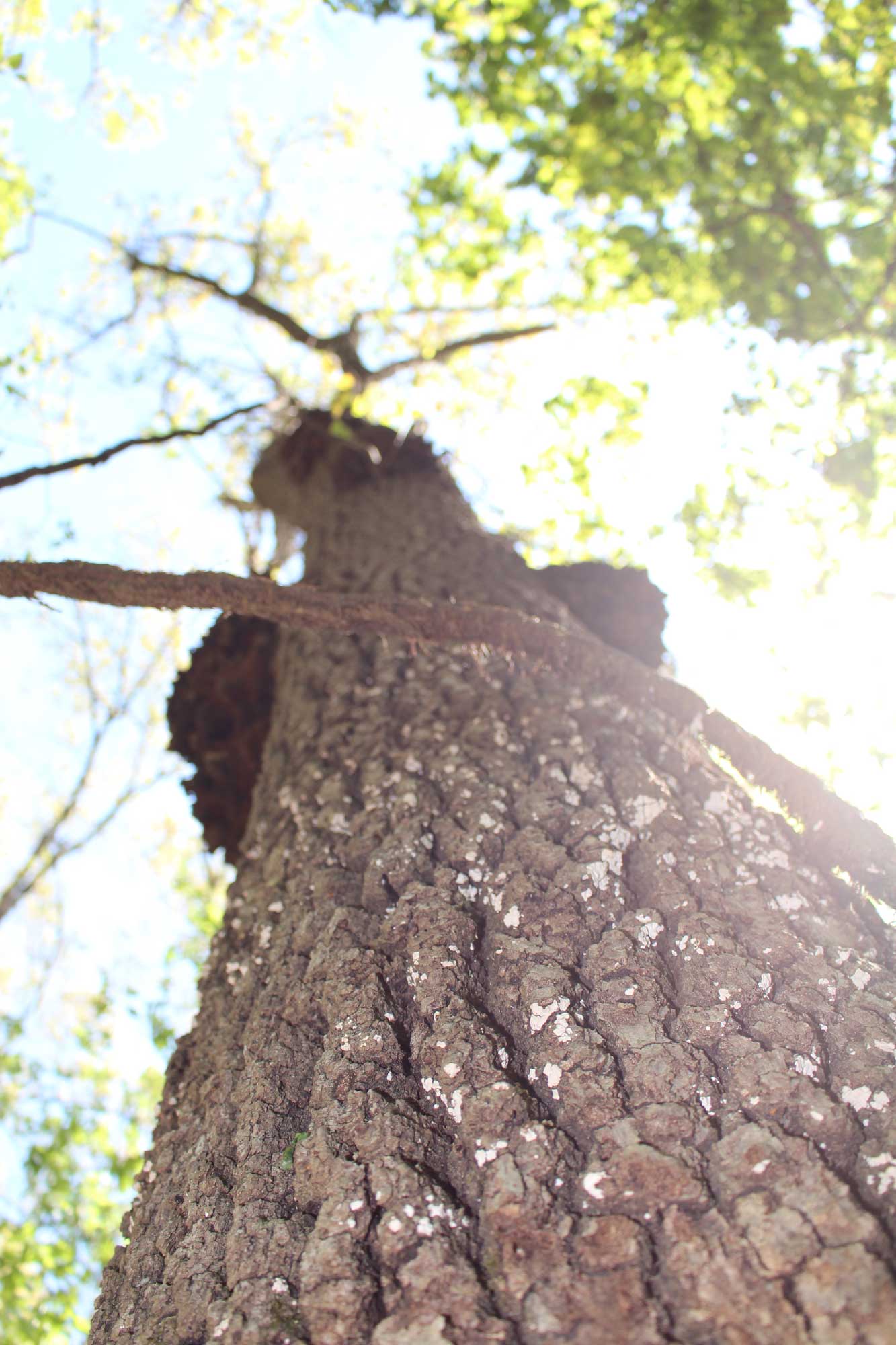
There was no divine whirlwind whipping above the shagbark hickory and white and bur oaks, their leaves already turning orange and yellow in early autumn.
Nor did the heavens unfurl like a scroll, and the voice of God did not thunder in revelation.
There was only bright sunlight, the wind tussling the grasslands, and the laughter of children peeling across the glinting water, threading through the groves, and I was finally home.
Tom Darin Liskey spent nearly a decade working as a journalist in Venezuela, Argentina and Brazil. He is a graduate of the University of Southern Mississippi. He has published the novella-length short story collection, This Side of The River, and collaborated with the poet Kelly Belmonte for poetry-photography book, Transit.
Photo by Liskey.
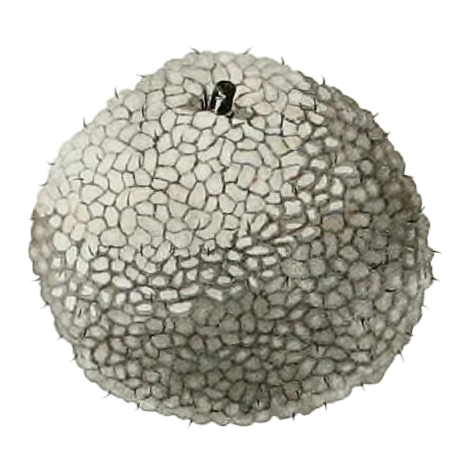
Dinkus: “Maclura aurantiaca Nutt.” Mémoires de la Société Royale d’Agriculture, Histoire Naturelle et Arts Utiles de Lyon. Lyon, France, Imprimerie de J.M. Barret, 1835-36. Courtesy of Biodiversity Heritage Library, Natural History Museum Library, London.

![Mark Twain in Study Window [1903]](https://newterritorymag.com/wp-content/uploads/2025/12/Twain-in-study-window-1903.jpg "Twain in study window 1903")